
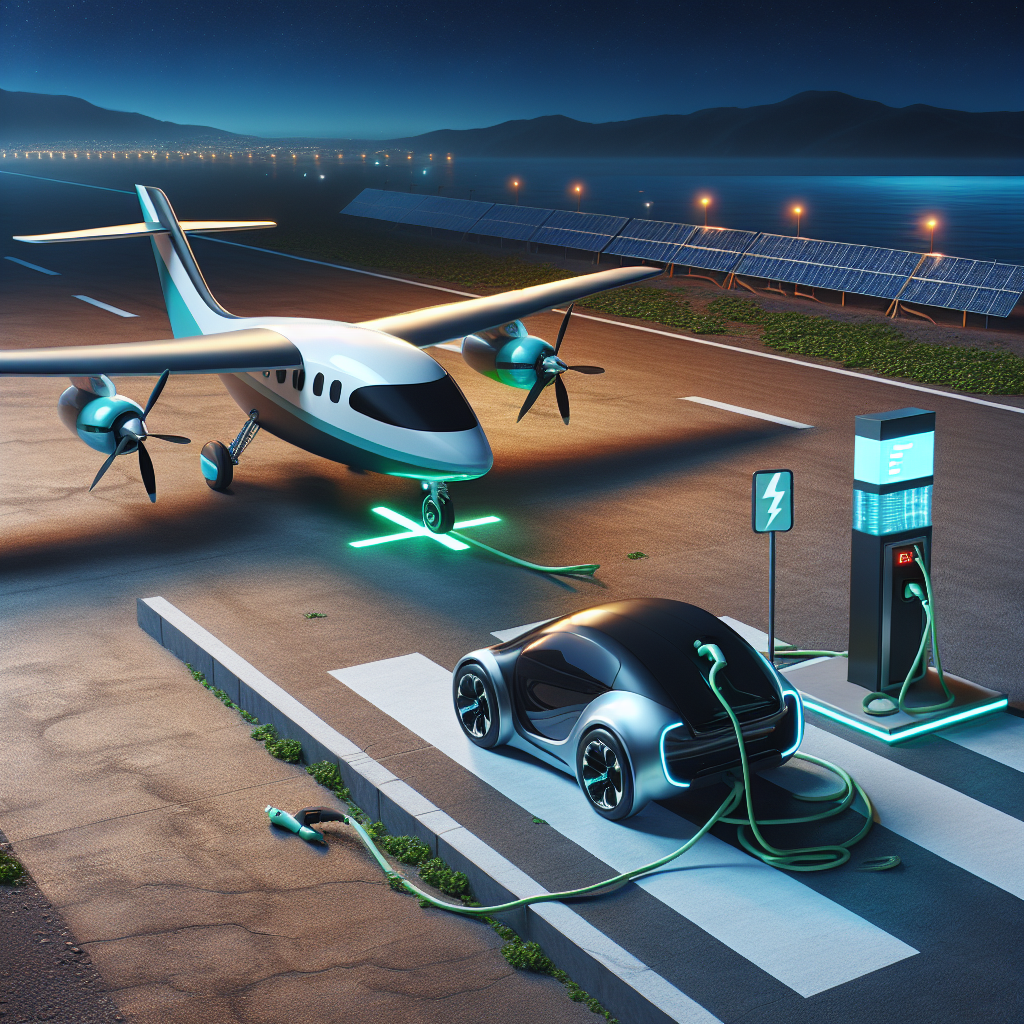
Soaring into the Future: Beta Technologies’ Electric Flight Ambitions and Hyundai’s Charging Challenges
In a rapidly transforming world of transportation, electric propulsion is no longer just a futuristic concept—it’s becoming a concrete reality that promises to redefine how we traverse the skies and roads. Beta Technologies, a trailblazer in the eVTOL (electric Vertical Takeoff and Landing) sector, is betting big on electric flight. Simultaneously, automotive giant Hyundai finds itself navigating the choppy waters of EV infrastructure with its new charging port, which regrettably falls short compared to frontrunners like Tesla. This intricate dance of innovation and adaptation underscores the dynamic landscape of modern transportation technology.
The Ascent of Beta Technologies in Electric Flight
The Vision Behind Beta Technologies
Beta Technologies is spearheading the electromobility revolution in the aviation sector, striving to make electric flight both feasible and sustainable. Founded by Kyle Clark, this startup aims to cut the carbon cord tying traditional aircraft to fossil fuels. Their flagship eVTOL aircraft, ALIA-250, is a testament to their vision—a sleek, efficient design capable of vertical take-off, long-range flight, and minimal environmental impact.
Key Features of ALIA-250
- Sustainable Design: Made from lightweight materials to maximize energy efficiency.
- Quiet Operation: Electric propulsion ensures significantly lower noise levels compared to traditional aircraft.
- Advanced Aerodynamics: Includes a unique lifting mechanism that reduces drag and enhances performance.
- Long-range Capability: Capable of traveling hundreds of miles on a single charge, covering extensive distances without carbon emissions.
Innovations Driving Electric Flight
Beta Technologies is leveraging cutting-edge advancements to steer the eVTOL industry into a new era:
- Battery Technology: Pioneering high-energy-density batteries for longer flights.
- Flight Control Systems: Modern avionics and control software streamline piloting and improve safety.
- Charging Infrastructure: Collaborating on the development of efficient charging networks tailored for air transport.
Hyundai’s Electric Charging Ambition
Hyundai’s Foray into EV Charging
Hyundai has made bold strides in the electric vehicle (EV) market, but as their reach extends, they face new challenges, particularly in charging solutions. Their latest charging port for the Ioniq 5 and other electric models has been under scrutiny—falling short when matched with Tesla’s well-established Supercharger network.
Comparing Hyundai’s Charging Port with Tesla
Strengths
- Cost-effective Installation: Hyundai’s charging infrastructure is more budget-friendly than some competitors.
- Compact Design: Taking up less space, providing flexibility for various installation environments.
Weaknesses
- Limited Availability: The network of Hyundai-exclusive charging stations lags behind Tesla’s expansive availability.
- Charging Speed: Hyundai chargers often rank lower in charging speed, which can deter time-sensitive users.
- User Experience: Feedback suggests that Hyundai’s user interface and connectivity don’t match the finesse of Tesla’s system.
The Path Forward: Challenges and Opportunities
Overcoming Barriers in Electric Aviation and Charging
Both Beta Technologies and Hyundai face multifaceted challenges, including:
- Regulatory Hurdles: Navigating complex aviation regulations and EV standards.
- Infrastructure Investment: Significant capital needed for building robust networks, be it for eVTOL charging or EV stations.
- Consumer Adoption: Convincing a traditionally cautious market to embrace next-gen transportation solutions.
Strategic Opportunities
Here’s where these innovators can shine:
- Collaboration with Municipalities: Partnering to facilitate infrastructure and urban air mobility integration.
- Technological Partnerships: Teaming up with tech giants for enhanced innovation and better scalability.
- Public Awareness Campaigns: Educating the public on the benefits of sustainable transportation, encouraging wider adoption.
Conclusion: Embracing a Sustainable Future
As the race towards an electric future gains momentum, companies like Beta Technologies and Hyundai are pivotal players in crafting a sustainable transportation ecosystem. While Beta’s innovation propels aviation into eco-friendly realms, Hyundai must recalibrate its strategy for effective EV infrastructure to not only keep pace but drive the market forward. The interplay of technological innovation, infrastructure expansion, and market adaptation will ultimately dictate the success and scope of electric vehicle and aircraft integration.
In a time defined by environmental consciousness and technological prowess, embracing electric isn’t just a choice—it’s an imperative. The future might be filled with uncertainties, but with visionary companies at the helm, cleaner skies and roads are well within reach.
By ensuring this article is loaded with SEO keywords like "electric flight," "eVTOL," "charging infrastructure," and "sustainable transportation," paired with engaging formatting techniques, it aims to capture attention and drive engagement—propelling readers towards a greener, more electric future in aviation and automotive realms.