
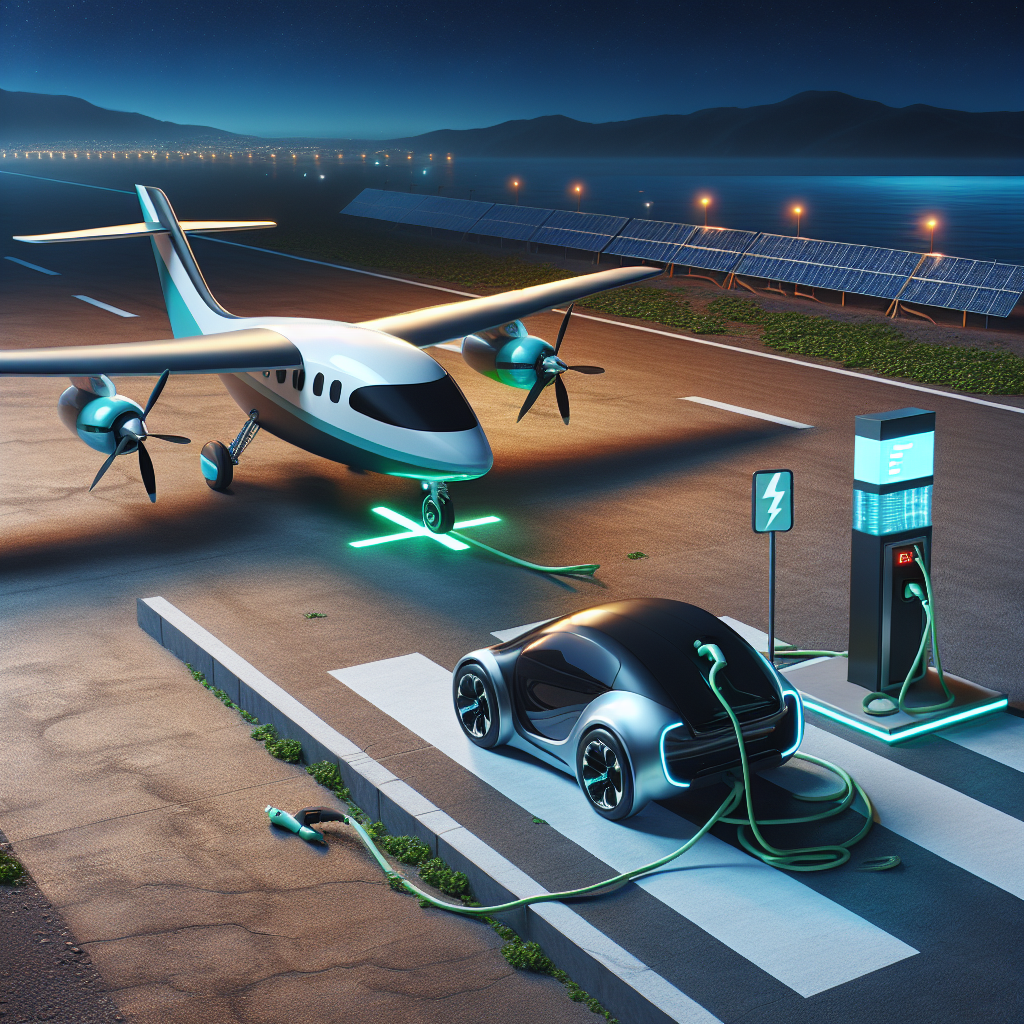
The Future of Electric Flight: How Beta Technologies and Hyundai are Shaping the Sky
Electric vehicles have been steadily humming into our lives, making silent yet profound changes to how we think about transportation. While Tesla has undoubtedly been a major player in the electric vehicle (EV) revolution on the road, other companies like Beta Technologies and Hyundai are setting their sights on the skies and innovating in unexpected ways.
Beta Technologies, a Vermont-based startup, is making waves with its revolutionary take on electric aviation, while Hyundai’s ambitious quest to compete with Tesla in the electric vehicle realm introduces a new twist with its new charging port. In this article, we dive deep into how Beta Technologies is betting on electric flight and why Hyundai’s new Tesla charging port comes up short, and how these innovations are steering the future of transportation.
Beta Technologies: Pioneering the Electric Flight Era
When you think about electric vehicles, your mind probably drifts down the highway rather than into the sky. Yet, Beta Technologies is turning the fantasy of electric aviation into reality. But how exactly are they aspiring to change the landscape of aviation?
Breaking the Sound Barrier: Electric Planes
Beta Technologies is not merely experimenting with the concept of electric flight but is actively developing aircraft designed to deliver cleaner, quieter, and more efficient travel.
- Alia-250 eVTOL: At the forefront of their innovations, Beta Technologies’ Alia-250 eVTOL (electric Vertical TakeOff and Landing) aircraft stands as a testament to their vision. This aircraft aims to redefine local aviation by:
- Operating on a remarkable 200-mile range.
- Offering a quiet travel experience with minimal carbon footprint.
- Supporting versatile roles from cargo delivery to troop transport.
Sky’s No Limit: Infrastructure Initiatives
Pioneering electric aviation goes beyond the aircraft itself. Without a robust supporting infrastructure in place, the adoption of electric planes could stall. Thus, Beta Technologies is investing significantly in the infrastructure needed:
- Charging Stations: Developing a network of charging stations across strategic locations to ensure convenient recharging for electric aircraft.
- Partnership Networks: Collaborating with companies and governments to facilitate regulations and technological standards.
Challenges on the Horizon
Electric flight is promising but not without challenges:
- Battery Limitations: The limited energy density of batteries compared to jet fuel remains a significant hurdle.
- Regulatory Framework: The aviation industry is highly regulated; thus, adapting policies to accommodate electric aviation requires a coordinated effort.
Hyundai’s Charge into Electric Vehicles: Facing the Surmountable
Hyundai has been making strides in the EV market, challenging established giants like Tesla. Yet, while their commitment to clean energy is evident, they stumbled slightly with the recent introduction of their new charging port.
The Charging Dilemna: Hyundai vs. Tesla
Hyundai has unveiled a new proprietary charging port in hopes of captivating EV enthusiasts and competing directly with titans like Tesla. Here’s where they might have outpaced or lagged:
- Interoperability Issues: While designed for Hyundai’s electric vehicles, the incompatibility with universally recognized charging standards like Tesla’s NACS could be a barrier.
- Network Limitations: Tesla’s robust and widespread Supercharger network gives it a distinct advantage. Hyundai needs to step up in building comprehensive charging stations or risk leaving EV users stranded.
Hyundai’s Propelling Motivation
Despite the minor hurdles, Hyundai’s resolve in the electric vehicle sector is steadfast:
- Model Expansion: Aiming to release diverse electric vehicle models, making EVs accessible to a wider demographic.
- Sustainability Commitments: Aligning their production practices with eco-friendly standards.
Drawing Parallels with the Aviation Sector
While Hyundai faces challenges reminiscent of those in electric aviation, the lessons from the EV industry are invaluable:
- Focus on Compatibility: Like Beta’s holistic approach to electric flight, Hyundai can benefit from aligning charging standards.
- Establish Alliances: Partner with entities to create a shared network of charging stations that offer convenience comparable to gas stations.
Conclusion: Flying and Driving into the Future
The journey into the electric age is paved with innovation, ambition, and the occasional misstep. Beta Technologies’ ambitious bet on electric flight could potentially transform urban air mobility, creating quieter, cleaner cities. Meanwhile, Hyundai’s venture into new charging technologies highlights the importance of foresight in compatibility and infrastructure development.
Both companies are setting pivotal trends in their respective niches, paving the sky and roads with new possibilities. Whether it’s soaring above or accelerating forward, the future of transportation is undoubtedly electric, and it promises to be more exhilarating than ever. Keep your eyes on the horizon; the revolution has just begun.