
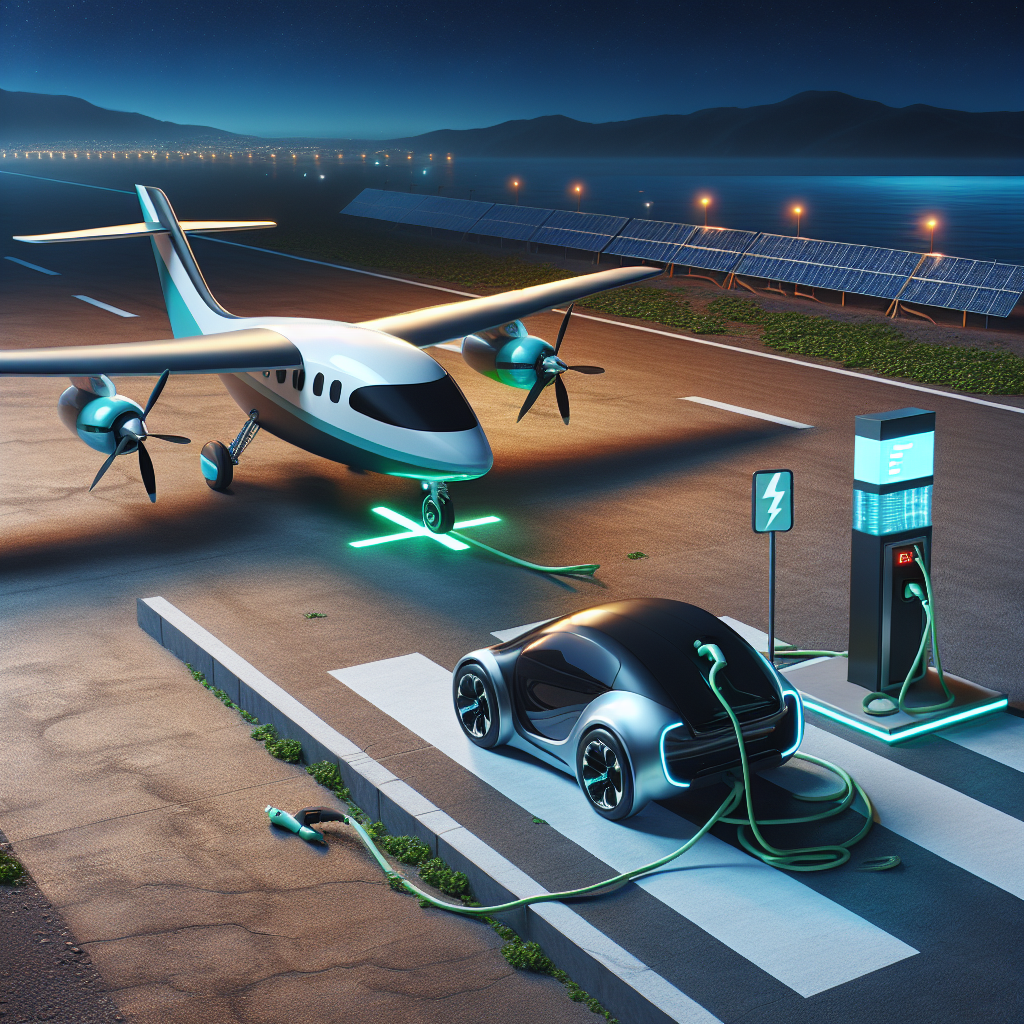
The Future of Electric Flight: Beta Technologies’ Vision and Hyundai’s Charging Challenges
In the rapidly advancing world of transportation, innovation is the name of the game. Every day, companies push the boundaries of what’s possible, reshaping the way we commute, travel, and connect. Among such pioneering forces is Beta Technologies, a company betting big on electric flight. On the ground, Hyundai faces hurdles with its new Tesla charging port. Both narratives underscore the dynamic evolution of electric technology in transportation. Let’s dive into what makes these developments both challenging and exciting.
Beta Technologies: Redefining the Skies with Electric Flight
What is Beta Technologies?
Beta Technologies is a startup that has captured global attention with its ambitious vision for the future of air transportation. The company is at the forefront of developing electric vertical takeoff and landing (eVTOL) aircraft, a revolutionary leap toward a cleaner and more connected world.
Vision and Mission
- Vision: To create an electric-powered aircraft that reduces emissions and noise pollution, transforming both urban and regional air transport.
- Mission: Build a sustainable infrastructure to support these innovative aircraft, including charging stations and vertiports (designated areas for takeoff and landing).
Behind Their Electric eVTOLs
Zero-Emission Aircrafts
Beta Technologies is developing all-electric aircraft capable of vertical takeoff and landing, making them uniquely suited to both urban environments and remote areas. Their electric engines drastically cut down on emissions compared to traditional combustion engines, adhering to global sustainability goals.
Highly Autonomous Navigation
- Beta’s aircraft features cutting-edge automated navigation systems, reducing pilot workload and enhancing safety.
- Advanced machine learning algorithms provide real-time data for optimized flight paths, reducing travel time and energy consumption.
Market Potential and Challenges
The market for eVTOL aircraft is not without its hurdles. Challenges include regulatory approval, infrastructure development, and consumer acceptance. However, Beta Technologies is proactively tackling these issues:
- Partnering with regulatory bodies to meet rigorous safety and operational standards.
- Collaborating with governments to develop charging infrastructure and vertiports.
- Initiating public education campaigns to demonstrate the safety and efficiency of electric flight.
Hyundai’s Ambitious Venture: A New Tesla Charging Port
Hyundai’s Electric Vision
Just as Beta Technologies seeks to dominate the electric skies, Hyundai aims to revolutionize the road. Hyundai has been on a relentless pursuit to innovate and expand its footprint in the electric vehicle (EV) market.
The Arrival of Hyundai’s New Tesla Charging Port
Hyundai’s decision to adopt a new charging port compatible with Tesla’s Supercharger network represents a bold move to align with Tesla’s more ubiquitous charging standards. However, the journey hasn’t been entirely smooth.
Why Hyundai Opted for a Tesla-Compatible Port
- Better Range for Customers: By tapping into Tesla’s extensive Supercharger network, Hyundai aims to eliminate the range anxiety commonly associated with EV ownership.
- Market Advantage: Compatibility with Tesla chargers is an attractive selling point for consumers who are considering an electric vehicle but are hesitant due to infrastructure issues.
Challenges and Setbacks
Despite its potential advantages, Hyundai’s project has encountered some problems:
- Technical Difficulties: Integrating Tesla’s charging technology posed unanticipated technical challenges, leading to delays.
- Cost Implications: The adjustment comes with financial implications, impacting Hyundai’s pricing strategy and overall brand competitiveness.
- Limited Initial Rollout: While the plan is promising, initial rollout is limited to select markets, potentially alienating some loyal customers.
The Road Ahead and Skyward
The Future of Electric Mobility
Both Beta Technologies and Hyundai underscore a transformative era in transport. Their stories, though converging, remind us that innovation is frequently paired with challenges.
- Beta Technologies: Continues to forge pathways in uncharted territories of electric aviation, striving for widespread adoption and infrastructure readiness.
- Hyundai: Works through technical obstacles to democratize charging access for electric vehicles, aiming for market expansion and operational efficiency.
The Role of Policy and Industry Collaboration
-
Governments and industry leaders play a pivotal role in facilitating this transformation by crafting policies that support innovation, funding infrastructure improvements, and promoting educational initiatives to drive public acceptance.
- Collaborative efforts between major automakers, tech companies, and regulators significantly impact standardizing technologies and practices for the future.
Conclusion
As electric flight by Beta Technologies and Hyundai’s venture into Tesla-compatible charging ports illustrate, innovation often travels a rocky road before reaching its destination. Despite facing significant challenges, both companies exhibit resilience and determination in transforming their respective spheres.
The future of transportation is electric, and these companies are blazing the trail. With every ambitious project, challenges become catalysts for growth, steering the world towards a more sustainable, efficient, and green tomorrow. One thing is sure: the landscape of transportation is rapidly changing, and both the skies and roads will never be the same again.