
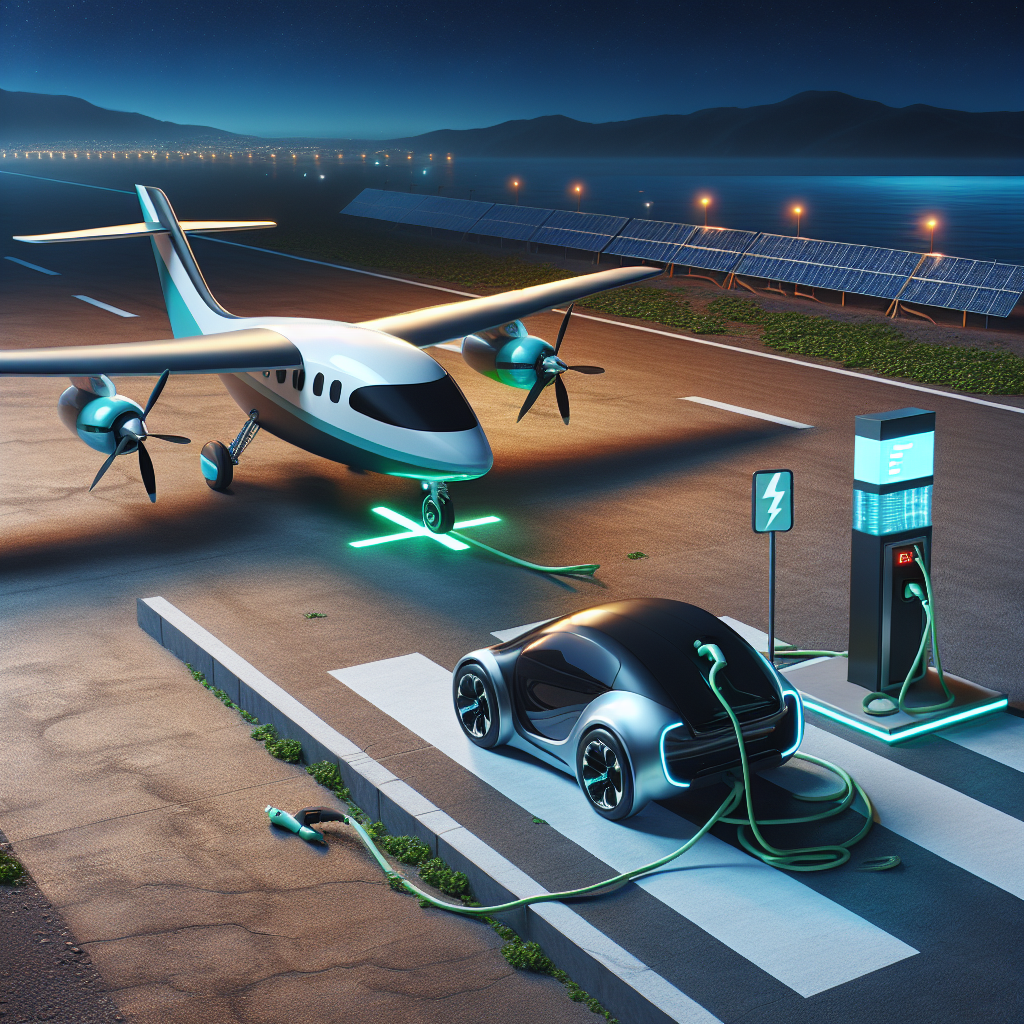
Taking Flight: Beta Technologies’ Electric Ambitions Amidst Hyundai’s Charging Hurdles
In recent years, the aviation industry has been soaring beyond traditional boundaries, significantly driven by innovations in sustainable travel. One such transformative endeavor is Beta Technologies’ leap into electric flight. As the world increasingly embraces green technology, Beta Technologies is taking bold strides to redefine how we think about flying. However, as the journey into electric skies unfolds, other giants like Hyundai are encountering challenges on the ground. The introduction of Hyundai’s new Tesla-compatible charging port is a fascinating subplot, revealing the complexities of innovation. This article dives deep into Beta Technologies’ ambitions and Hyundai’s attempts to tap into the electric vehicle (EV) ecosystem.
Beta Technologies: Spearheading Electric Aviation
Beta Technologies, a Vermont-based enterprise, has set its sights on the sky with a groundbreaking venture into electric aviation. Their vision is not just timely, it’s transformative — envisioning a future where air travel is clean, efficient, and sustainable.
The Vision of Electric Flight
From reducing carbon footprints to revolutionizing urban mobility, Beta Technologies is on a mission to develop electric aircraft capable of vertical takeoff and landing (VTOL). Here’s what sets them apart:
- Environmental Impact: Traditional aviation is notorious for its carbon emissions. Beta’s electric aircraft aims to be a game-changer in reducing industry emissions.
- Urban Connectivity: By enabling VTOL capabilities, these aircraft can potentially serve as urban air taxis, reducing congestion on city roads.
- Noise Reduction: Electric engines could significantly decrease noise pollution compared to traditional combustion engines.
Innovation at Its Core
Beta’s flagship aircraft, named ALIA, exemplifies innovation. Modeled after the Arctic tern, ALIA is designed for both passenger and cargo flights.
- Technical Feasibility: ALIA aims to have a range of 250 nautical miles on a single charge, with a cruising speed of 170 mph.
- Battery Technology: With advancements in battery systems, ALIA is set to hold substantial energy reserves while minimizing weight — essential for long flights.
Hyundai: Navigating the Electric Vehicle Terrain
While Beta Technologies sets records in the air, Hyundai grapples with some grounding challenges in the EV sector. Their recent move to integrate Tesla’s charging port into their vehicles has been fraught with unexpected roadblocks.
Charging Compatibility Conundrum
Hyundai’s attempt to use Tesla’s proprietary charging ports points to a larger trend among EV manufacturers attempting to streamline and cross-pollinate infrastructure. However, there are significant hurdles:
- Technical Challenges: Ensuring hardware and software compatibility between different charging networks has been more complex than anticipated, leading to inconsistent performance.
- Market Ecosystem: Tesla’s well-established Supercharger network complicates the adoption process for Hyundai, as their vast infrastructure caters mainly to Teslas, often alienating other brands due to varying technologies.
The Drive for Standardization
Hyundai isn’t alone in this pursuit. Many industry leaders recognize the urgency for universal charging standards to foster widespread EV adoption. Some critical areas of focus include:
- Interoperability: Creating systems that allow seamless interaction between various manufacturers’ vehicles and the diverse charging networks.
- Consumer Confidence: Addressing issues of range anxiety and charging availability can speed up EV adoption.
The Intersection of Air and Land Innovation
Electric transport is more than just an eco-friendly option; it’s the future of mobility across industries. Both Beta Technologies and Hyundai are championing this movement, albeit with different focal points.
Challenges and Solutions
For Beta Technologies:
- Infrastructure Development: Creating take-off and landing facilities within urban environments is vital but challenging.
- Regulatory Approvals: Navigating airspace regulations is complex, especially as drone and VTOL technology evolves.
For Hyundai:
- Technology Adaptation: Overcoming the technological divide between differing EV systems requires innovation and potentially collaborative industry partnerships.
- Consumer Trust: Building robust, user-friendly charging solutions is essential to maintaining consumer confidence.
The Bigger Picture
Both companies’ efforts depict a global shift towards a more integrated, sustainable future. This movement requires not just technological breakthroughs, but also collaborative industry-wide efforts to develop standards and infrastructures that support a new era of mobility.
- Sustainability Goals: As nations push for reduced emissions, both air and land technologies will play crucial roles in achieving environmental targets.
- Economic Implications: Investment in electric transport can open up new markets, reduce dependency on fossil fuels, and create sustainable job opportunities across sectors.
The Road Ahead
As Beta Technologies continues its journey towards emission-free skies and Hyundai navigates the complexities of EV charging infrastructure, one thing is clear: innovation is not a solitary endeavor. It requires collaboration, forward-thinking policies, and a commitment to the planet’s future.
The new generation of transport isn’t just about the vehicles we drive or the aircraft we fly. It’s about the ecosystems we build, the technical challenges we overcome, and the relentless pursuit of a cleaner, greener planet. With companies like Beta Technologies and Hyundai at the helm, we’re on an exciting journey toward revolutionizing global transportation.
Are you thrilled about electric aviation? Or intrigued by the dynamic world of EVs? Share your thoughts in the comments below. And keep following us for more insights into the future of sustainable travel!