
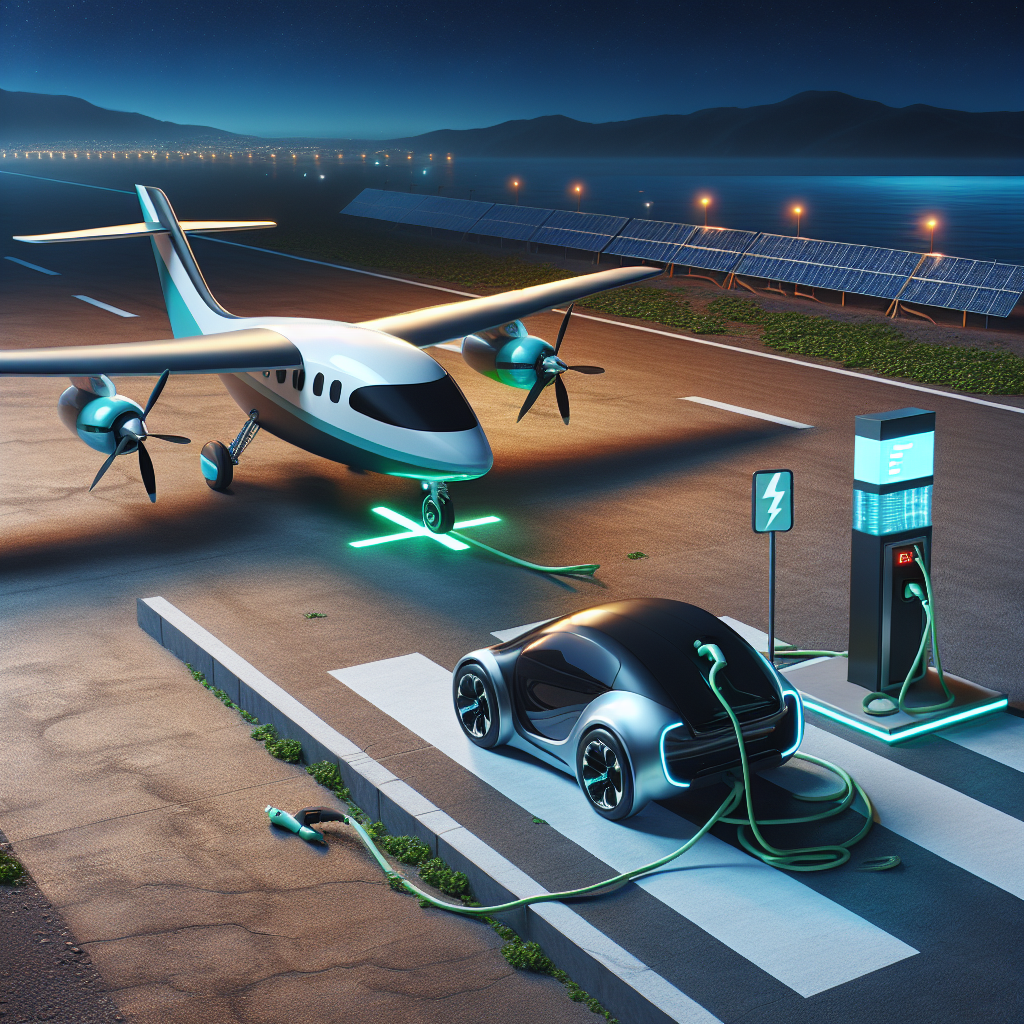
Taking Flight: Beta Technologies’ Electric Vision and Hyundai’s Charging Conundrum
In the ever-evolving landscape of transportation technology, new innovations continuously reshape how we think about travel. Two companies are currently capturing the attention of the industry with their unique approaches to electrification: Beta Technologies and Hyundai. Beta Technologies is making waves in the realm of electric flight, promising sustainable and efficient air travel solutions. Meanwhile, Hyundai has faced challenges with its ambition to integrate Tesla’s charging infrastructure into its electric vehicle offerings. In this article, we’ll delve into these developments, exploring the potential impact of Beta Technologies’ innovations and uncovering why Hyundai’s attempt with Tesla’s charging ports fell short.
Beta Technologies: Pioneering Electric Flight
The Vision of Beta Technologies
Beta Technologies is not just another player in the burgeoning electric flight market; it is a visionary company that seeks to redefine air travel. Founded with the goal of creating sustainable and efficient transportation, Beta is focused on cutting the carbon footprint of aviation, an industry notorious for its environmental impact.
- Mission: To develop an electric aviation ecosystem that is both economical and environmentally friendly.
- Technology Focus: Electric vertical takeoff and landing (eVTOL) aircraft, designed to revolutionize both cargo and passenger transportation.
The ALIA-250: A Benchmark in Electric Air Travel
At the forefront of Beta Technologies’ offerings is the ALIA-250, an innovative aircraft pushing the boundaries of what’s possible in electric aviation.
Key Features of the ALIA-250
- Zero Emissions: Unlike traditional aircraft, the ALIA-250 produces no direct emissions, thanks to its electric propulsion systems.
- Efficiency: Designed for a range of 250 nautical miles on a single charge, addressing both urban and regional connectivity.
- Quiet Operation: The electric propulsion systems drastically reduce noise, making urban air mobility more viable.
Challenges and Prospects
Like any innovative technology, electric flight faces its own set of challenges:
- Battery Technology: The need for lightweight, high-capacity batteries is critical.
- Infrastructure: Building sufficient charging and landing infrastructure to support eVTOL aircraft.
- Regulation: Navigating aviation regulations to ensure safety and reliability.
Despite these challenges, the potential benefits of Beta Technologies’ electric flight cannot be understated. These include:
- Reduced Travel Time: Bypassing traffic congestion and offering direct routes.
- Environmental Benefits: Reduced reliance on fossil fuels and lower greenhouse gas emissions.
- Economic Incentives: Potentially lower operational costs compared to traditional aircraft, owing to fewer moving parts and reduced maintenance.
Hyundai’s Endeavor into EV Charging
The Hyundai-Tesla Partnership: Initial Hopes
In an ambitious move, Hyundai sought to enhance its electric vehicle (EV) fleet by adopting Tesla’s NACS (North American Charging Standard) technologies.
Objectives of the Partnership
- Unified Charging Standard: Streamlining the EV charging process by using Tesla’s established infrastructure.
- Enhanced Consumer Appeal: Capitalizing on Tesla’s robust charging network to boost Hyundai’s market presence.
The Roadblock: What Went Wrong?
Despite the collaboration’s promising premise, Hyundai’s efforts encountered challenges:
- Compatibility Issues: Differences in software and hardware specifications between Hyundai and Tesla systems.
- Customer Concerns: Skepticism over reliability and compatibility led to muted consumer enthusiasm.
- Market Dynamics: Competitive tensions and an absence of mutual strategic alignment.
Lessons Learned and Future Directions
While the partnership did not live up to expectations, it offers insightful lessons:
- Importance of Compatibility: Ensuring technical and strategic alignment between collaborating companies.
- Consumer Trust: Building confidence through transparent communication and reliable products.
- Innovation vs. Existing Standards: Balancing cutting-edge innovation with established market standards.
Despite these setbacks, Hyundai remains committed to developing robust charging technologies, emphasizing interoperability with an open network approach.
The Broader Implications for the Industry
Movement toward Sustainable Transport
The efforts by Beta Technologies and Hyundai underscore a larger industry-wide shift towards sustainable transportation solutions.
- Electric Adoption: Growing consumer interest in reducing carbon footprints.
- Infrastructure Investment: Increased attention to developing charging and landing facilities as electric travel gains traction.
Collaboration and Competition
This landscape offers a dual-edged sword:
- Collaboration: Companies may benefit from pooling resources and knowledge.
- Competition: Sparks innovation but may also lead to fragmentation if not managed well.
The Role of Government and Policy
- Regulatory Support: Encouraging sustainable technology through incentives and regulations.
- Public-Private Partnerships: Collaborating to build necessary infrastructure supports the sector’s growth.
Conclusion
The narratives of Beta Technologies and Hyundai provide fascinating insights into the challenges and opportunities posed by the electrification of transportation. Beta Technologies is poised to redefine flight through its pioneering electric aircraft, potentially transforming air travel as we know it. On the other hand, Hyundai’s lessons from its Tesla collaboration highlight the complexities involved in integrating new technology with established infrastructure standards.
As we look to the future, the dynamics of innovation, collaboration, and regulatory support will undoubtedly shape the trajectory of sustainable transportation. What remains clear is that the journey towards a greener, more efficient mode of travel is underway, offering exciting possibilities for industry stakeholders and consumers alike.
Through continued commitment and adaptable strategies, companies like Beta Technologies and Hyundai are paving the way for a more sustainable tomorrow—one flight or charge at a time.