
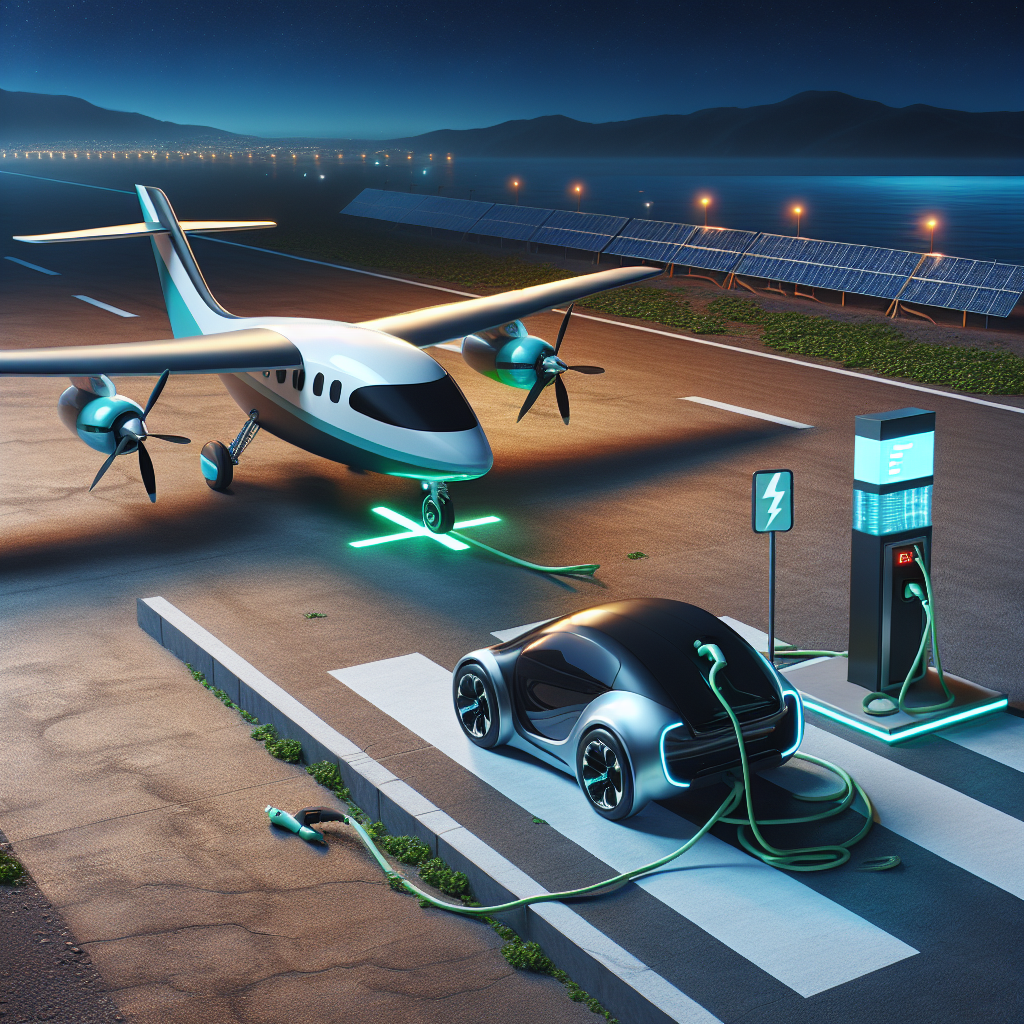
The Future of Electric Aviation and Charging Standards: A Tale of Beta Technologies and Hyundai’s Innovations
In an era where electric vehicles (EVs) are no longer just a distant dream but an emerging reality on roads around the world, the push for electrification is soaring to new heights—literally and metaphorically. Electric aviation and car charging infrastructure are two critical fronts where innovation is heralding a future of sustainable mobility. Beta Technologies is betting heavily on electric flight, while Hyundai’s attempt to tap into Tesla’s charging market reveals the complexities of standardizing new technologies.
Let’s dive into how Beta Technologies and Hyundai are shaping the landscape of electric mobility and what their recent moves mean for the future.
Beta Technologies’ Bold Leap into Electric Aviation
As we edge closer to a sustainable future, aviation’s environmental impact has come under scrutiny. Beta Technologies, a Vermont-based startup, is at the forefront of electric flight, hoping to revolutionize air travel in terms of efficiency and environmental impact.
The Electric Aircraft: A New Frontier
The idea of electric-powered flight is still in its infancy compared to electric cars. However, it presents a promising pathway towards reducing aviation industry emissions. Here’s how Beta Technologies is making strides in this space:
- eVTOL Aircraft: Beta Technologies is developing electric Vertical Take-Off and Landing (eVTOL) aircraft. These innovative aircraft are set to replace traditional helicopters with quieter, more sustainable alternatives.
- Longer Range and Efficiency: Their aircraft aim to blend efficiency with practicality, suitable for transporting goods and passengers across regional distances.
- Partnerships and Collaborations: By collaborating with logistics giants like UPS and Blade Urban Air Mobility, Beta Technologies is positioning itself strategically to tap into existing networks while promoting its electric aircraft.
The Challenges of Electric Flight
Electric aviation is laden with technical and logistical challenges:
- Battery Efficiency: Aircraft require high-density energy solutions to achieve viable flight ranges without adding excessive weight.
- Regulatory Hurdles: To usher in eVTOLs, significant legal and regulatory frameworks must be revised or developed.
- Infrastructure Development: Similar to EVs, electric aircraft will require comprehensive charging infrastructure.
Despite these hurdles, Beta Technologies’ commitment to pioneering sustainable aviation signifies a bold investment in our aerial future.
The Electrifying Transition: Hyundai Bets on Tesla’s Charging Standard
While Beta Technologies is soaring high in the sky, Hyundai’s venture into aligning with Tesla’s charging port opens another critical debate on charging infrastructure standardization in the automotive world.
Understanding the Tesla Charging Ecosystem
Tesla’s proprietary charging system, the North American Charging Standard (NACS), has traditionally been seen as a closed ecosystem. Nonetheless, it boasts several advantages:
- Faster Charging Speeds: The Tesla Supercharger network provides some of the fastest charging rates available.
- Extensive Network: Tesla has developed a broad network of Superchargers, making long-distance EV travel feasible.
- Seamless Integration: Tesla cars, charging stations, and software integration result in streamlined user experiences.
Hyundai’s Foray into Tesla’s Charging Port
Recently, Hyundai has announced plans to adapt its future EVs to be compatible with Tesla’s NACS to leverage its benefits, but this move hasn’t been without its challenges:
- Compatibility Issues: Initial efforts faced compatibility issues with existing infrastructure and vehicle software, slowing the roll-out of Hyundai models using Tesla’s standard.
- Consumer Confusion: EV owners face confusion over differing and competing fast-charging standards, leading to frustrations.
- Strategic Positioning: Aligning with Tesla’s infrastructure verifies Hyundai’s dedication to offering accessible charging but raises questions about dependency on a rival’s technology.
Implications for the Future of Electric Mobility
The innovations by Beta Technologies and Hyundai embody the electric mobility sector’s ambitions yet underscore the challenges ahead.
The Road (and Sky) Ahead
- Infrastructure Expansion: Investment in charging infrastructure is critical—whether for electric planes or cars. Establishing universal standards will drive mass adoption.
- Collaborations and Alliances: Companies should collaborate to leverage strengths and create universal systems that benefit consumers.
- Environmental Benefits: Transitioning to electric technologies holds great promise for reducing emissions and fostering a sustainable future.
Future-proofing Your Choices
For businesses and consumers alike:
- Stay Informed: Keeping abreast of developments in electric mobility will inform more sustainable investment and purchase decisions.
- Adaptability: Being open to new technologies and systems will facilitate smoother transitions in this dynamic field.
Conclusion: A Charge Towards Sustainability
As Beta Technologies takes aviation into new heights of sustainability and Hyundai seeks to unify charging standards, the path to a greener future in mobility is being paved. These efforts highlight inspiration and opportunity yet emerge with the need for careful navigation of technological, infrastructural, and regulatory barriers. The ultimate success of electric mobility will rest on these companies’ ability to innovate collaboratively and expand the possibilities of electric technology—both in the air and on the ground.
Whether you are a visionary entrepreneur, a sustainability advocate, or a curious enthusiast, staying engaged with these transformative movements ensures you’re part of the solution to the climate challenges of today.
Are you ready to take flight or charge forward? Share your thoughts on electric mobility’s future below!