
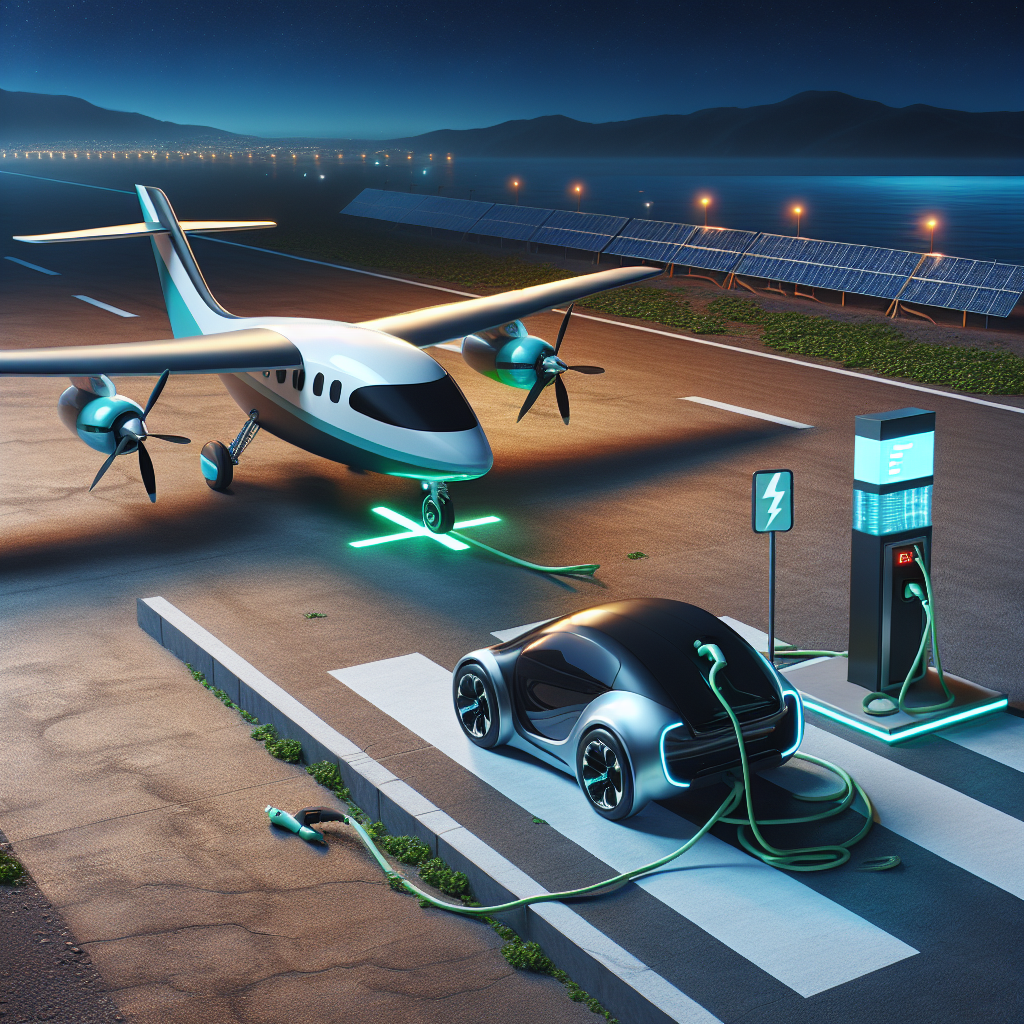
The Future of Transportation: Beta Technologies’ Electric Flight Innovations and Hyundai’s Charging Challenge
The transportation world is witnessing a seismic shift, marked by significant technological advancements and innovative efforts aimed at sustainable and cost-effective commuting solutions. Two pioneering companies leading this charge are Beta Technologies and Hyundai. Beta Technologies is making waves with its ambitious plans for electric flight, while Hyundai, although striving for progress in electric vehicles (EVs), faces challenges with its recent move towards integrating Tesla’s charging ports. In this article, we delve deep into how Beta Technologies is reshaping the future of aviation and explore Hyundai’s attempt to redefine charging standards, with considerations on what the future holds for the EV landscape.
Beta Technologies’ Bet on Electric Aviation
A Visionary in Electric Aviation
Beta Technologies, a Vermont-based company, aims to transform air transportation by shifting from traditional fuel-based systems to electric flight solutions. With a firm belief in sustainable travel, Beta is developing eVTOL (electric vertical takeoff and landing) aircraft. These aircraft promise to minimize the carbon footprint associated with conventional aviation while offering efficient and faster travel methods.
Key Features of Beta’s eVTOL Aircraft
- Zero Emissions: Unlike conventional aircraft, Beta’s eVTOLs are designed to produce zero emissions, addressing environmental concerns.
- Reduced Noise Pollution: Electric engines run quieter, making these aircraft suitable for urban environments where noise pollution is a concern.
- Cost-Effective Operation: With fewer mechanical components, electric aircraft promise lower maintenance costs and enhanced operational efficiency.
Strategic Collaborations and Market Penetration
Beta Technologies isn’t navigating the skies alone. It has formed strategic collaborations with several firms, enhancing its market penetration. Key partners include:
- UPS and United Therapeutics: For efficient cargo and medical supply deliveries.
- Blade Urban Air Mobility: Exploring urban air commute possibilities.
Challenges and Future Prospects in Electric Aviation
While the prospects are exciting, several challenges lie ahead:
- Regulatory Hurdles: Navigating the regulatory landscape involves adhering to strict safety standards and obtaining necessary certifications from aviation authorities.
- Battery Technology: Current battery technology limits flight range and payload capacity; thus, advancements are necessary for long-term viability.
Despite these challenges, Beta Technologies remains steadfast in its efforts to launch its eVTOLs in the coming years, potentially transforming how we perceive air travel.
Hyundai’s Foray into Tesla’s Charging Port Integration
An Ambitious Alliance with Tesla
In a surprising move, Hyundai announced its intention to integrate Tesla’s charging ports—known as the North American Charging Standard (NACS)—into its upcoming electric vehicles. This decision is steered towards offering Hyundai customers more accessible charging options, given Tesla’s expansive charging network.
Why Hyundai Chose Tesla’s Charging Port
- Extensive Network: Tesla boasts one of the largest EV charging networks globally, providing Hyundai with ready access to an established infrastructure.
- Customer Convenience: By aligning with Tesla’s standards, Hyundai enhances convenience for customers, reducing ‘range anxiety.’
The Challenges with Tesla’s Charging Port Plan
Despite these advantages, Hyundai’s plan isn’t without drawbacks:
- Technical Complications: Adapting Hyundai’s vehicles to Tesla’s charging hardware can be technically complex and may require significant overhauls to both software and hardware architectures.
- Limited Compatibility: Concerns exist about the compatibility of other EV models in Hyundai’s lineup with Tesla’s proprietary technology.
- Question Around Exclusivity: There’s ongoing debate about whether this reliance on Tesla’s network pigeonholes Hyundai into a corner, inhibiting its ability to forge new technological paths.
The Road Ahead for Hyundai
The collaboration signifies potential growth in EV adoption rates as well as Hyundai’s increased market presence. However, Hyundai must navigate these challenges carefully to avoid a backlash and ensure their alignment with Tesla’s systems does not limit future innovations or customer choices.
Broader Implications for the EV Industry
Shaping the EV Market with Strategic Collaborations
The actions of Beta Technologies and Hyundai highlight critical shifts in market dynamics. Companies are increasingly adopting collaborations to gain technological leverage and create seamless, end-to-end transportation solutions that focus on sustainability.
Consumer Expectations and Market Growth
With movements like those from Beta and Hyundai:
- Consumer Expectations Elevate: Customers expect green technologies in their transportation options, pushing companies towards innovative solutions.
- Accelerated Market Growth: The increase in eVTOL projects and improved charging networks may accelerate the adoption of electric transportation.
Policies and Government Involvement
Regulations will continue to play a significant role in shaping these innovations. Government support in terms of grants, subsidies, and streamlined regulatory processes is crucial to maintain the upward trajectory.
Conclusion: Redefining Transportation
Beta Technologies and Hyundai are at the forefront of transforming our transportation systems. While electric flights and Tesla-compatible vehicles present challenges, the benefits of a sustainable, efficient, and accessible transport system are hard to ignore. By tackling these challenges head-on and harnessing the power of innovation, the future of electric transportation appears not only promising but a necessary evolution for our modern world.
The seamless integration of eco-friendly vehicles into our daily lives shapes a narrative of sustainable progress, paving the road toward a reduced carbon footprint and improved global environmental health. As more breakthroughs occur, the exciting horizon awaits; one where electric skies meet electric roads in harmony.