
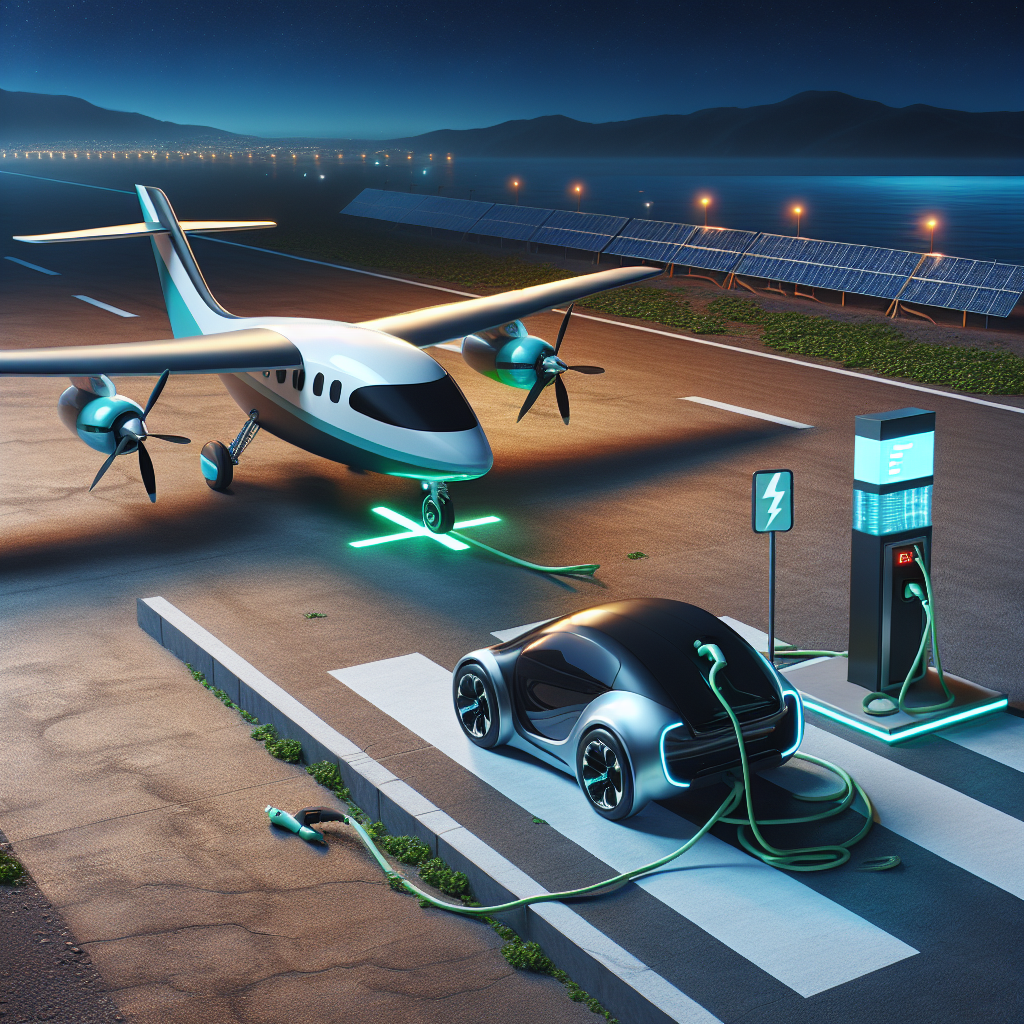
The Future of Mobility: Beta Technologies’ Leap into Electric Flight and Hyundai’s Ambitious Drive for Charging Supremacy
As the world races towards a sustainable future, the mobility sector is seeing groundbreaking transformations. Within this competitive landscape, Beta Technologies and Hyundai are two prominent players making headlines. While Beta Technologies is ambitiously betting on electric flight, Hyundai’s efforts to establish a new charging port for its EVs seem to hit a snag when compared to Tesla’s robust charging infrastructure. Let’s explore the implications of these developments and their potential impact on the future of sustainable transportation.
Introduction to Electric Revolution
The global shift towards clean energy is reshaping the automotive and aerospace industries. The aspiration is clear: to reduce carbon footprints and redefine the transportation ecosystem. Several companies are emerging as frontrunners in this movement, with Beta Technologies and Hyundai being significant contributors. Their strides denote not just technological advancement but a pivotal movement towards sustainable transportation solutions.
- Beta Technologies: Known for its cutting-edge approach to electric aviation, the company is pioneering initiatives to take electric Vertical Takeoff and Landing (eVTOL) to new heights.
- Hyundai: As a major player in the automobile industry, Hyundai is investing in electric vehicle technologies and infrastructure but faces challenges, particularly in its venture against Tesla’s well-established charging ecosystem.
Beta Technologies’ Bold Venture into eVTOL
Pioneering Electric Aviation
Beta Technologies is carving its niche in the aerospace sector with its line of eVTOL aircraft. These innovative aircraft are not only slated to revolutionize urban air mobility but also promise to slash transit times and emissions.
- Efficiency and Eco-friendliness: The key advantages of eVTOLs lie in their ability to reduce carbon emissions and operating costs. These aircraft are designed to operate using electric propulsion, minimizing the noisiness and pollution traditionally associated with helicopters and airplanes.
- Adaptability: Their versatility allows them to serve multiple roles—from cargo transport and emergency services to urban commuter flights.
Strategic Partnerships and Developments
Beta Technologies is making significant strides through strategic partnerships and continual innovation:
- Partnerships: Collaborating with major industry players to secure airspace management systems, enhance safety protocols, and build requisite infrastructure.
- Research and Development: Aggressive investment in R&D ensures continuous refinement of their technology, fostering a competitive edge in the evolving aerospace market.
Hyundai’s Charging Ambitions and the Tesla Conundrum
Hyundai’s Pursuit of Charging Infrastructure
In the electric vehicle sphere, Hyundai has been assertively expanding its EV lineup. However, establishing a robust charging infrastructure is as imperative as the vehicle itself:
- New Port Development: Hyundai recently introduced a unique charging port designed to optimize charging efficiency. This initiative aims to create a more seamless experience for Hyundai EV drivers.
- Challenges and Setbacks: Despite these advances, Hyundai’s technology still falls short of Tesla’s established Supercharger Network, which boasts impressive speed and widespread availability.
Comparative Analysis: Hyundai vs. Tesla Charging
When comparing Hyundai’s new charging port to Tesla’s, certain disparities become apparent:
- Speed and Availability: Tesla’s charging network is renowned for rapid charging speeds and extensive availability, offering competitive advantages. Hyundai, on the other hand, is still expanding its network and speeding capabilities.
- User Experience: The ease of use offered by Tesla continues to be a benchmark within the industry, compelling Hyundai to innovate further to ensure customer satisfaction.
The Implications of Beta Technologies’ and Hyundai’s Progress
Evolving Consumer Expectations
The strides made by Beta Technologies and Hyundai are influencing consumer perceptions and expectations:
- Demand for Efficiency and Sustainability: The adoption of electric aviation and advanced EV infrastructure reflects a growing consumer demand for efficient, sustainable solutions.
- Technological Synergy: There’s increasing anticipation for seamless interoperability between electric flight and vehicle technologies, aligned with sustainable practices.
Potential Impact and Opportunities
These advancements offer both opportunities and challenges:
- Market Expansion: As the demand for eco-friendly modes of transportation increases, there lies potential for market expansion and broader acceptance.
- Innovation Potential: Companies investing in R&D and infrastructure can position themselves as leaders—setting standards that shape the industry’s trajectory.
Conclusion
Beta Technologies and Hyundai are emblematic of an industry challenged yet inspired by the streak of innovation needed for a sustainable future. Electric aviation, led by Beta Technologies, represents the next frontier in mobility, while Hyundai’s efforts in charging infrastructure highlight the ongoing battle for dominance in EV technologies.
The path forward will involve strategic collaboration, continued innovation, and open dialogue across industries to meet consumer expectations and sustainability goals. As competence in technology and eco-efficiency advance, these transformations bear the potential to usher in a tectonic shift in how we perceive and utilize modern transportation—marking a significant leap towards a more sustainable, interconnected world.