
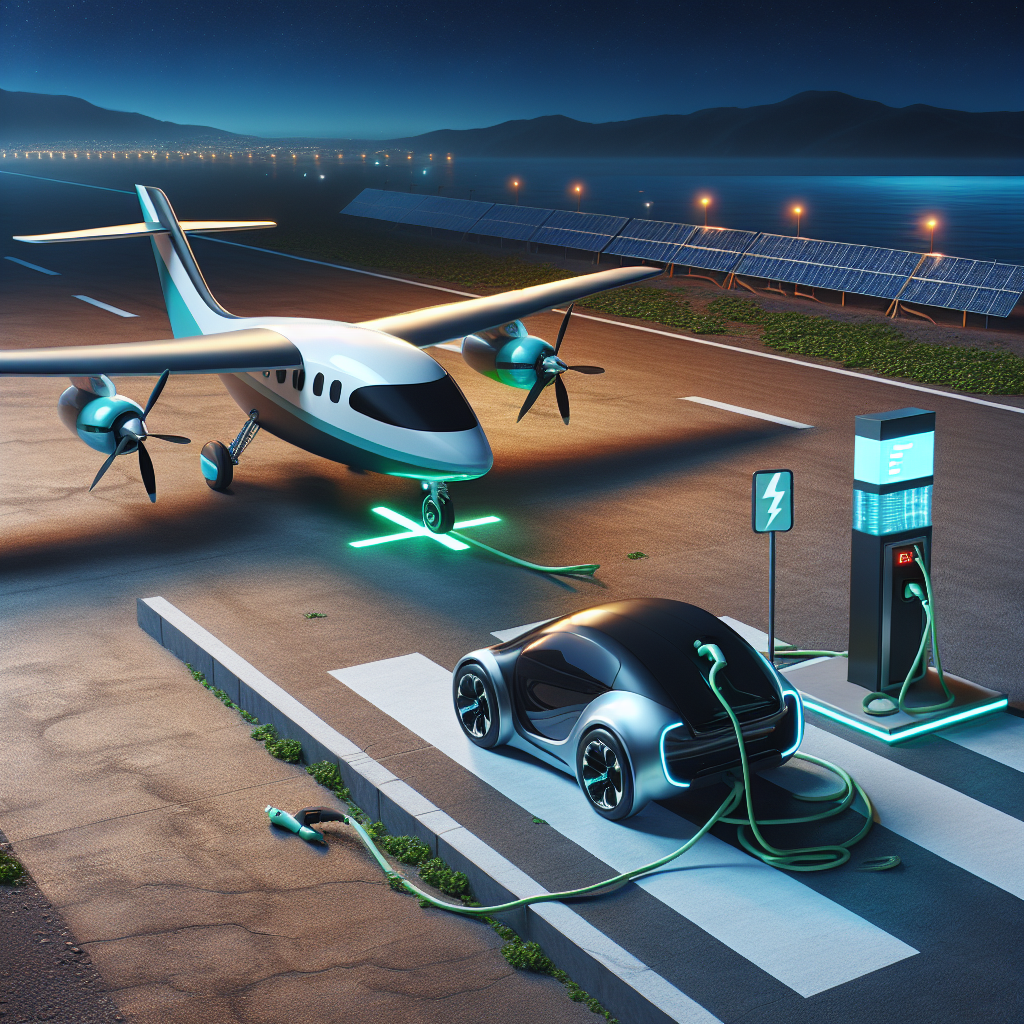
Revolutionizing the Skies and Roads: Beta Technologies’ Electric Flight and Hyundai’s Charging Challenge
In the fast-paced world of technological advancements, the race towards sustainable transportation is heating up. As innovators continue to find new paths to greener skies and eco-friendly highways, two companies stand out with their ambitious goals: Beta Technologies with their groundbreaking approach to electric flight, and Hyundai’s unexpected move into the EV charging arena. Let’s dive into how these two developments are shaping the future of transportation, and where they might fall short.
Beta Technologies: Soaring into the Electric Future
A Brief Overview of Beta Technologies
Beta Technologies, a cutting-edge American aerospace manufacturer, is setting the stage for a revolution in electric vertical takeoff and landing (eVTOL) aircraft. Founded in 2017 by entrepreneur Kyle Clark, the company is on a mission to redefine the skies with zero-emission electric aircraft.
- Company’s Vision: Establish a sustainable future for aviation with electric flight.
- Current Progress: The company successfully tested its ALIA-250c aircraft, a significant step toward commercial electric flight.
- Strategic Partnerships: Collaborating with major players such as UPS to create a network of cargo-carrying eVTOLs.
The ALIA-250c: A Game-Changer in Aerial Mobility
The ALIA-250c, Beta’s flagship eVTOL model, is designed to carry cargo and passengers over short-to-mid-range distances.
Key Features:
- Long Range: Capable of flying over 250 nautical miles on a single charge.
- Payload Capacity: Can transport up to 1,400 pounds, making it versatile for various uses, from logistics to medical evacuations.
- Sustainability: Powered by a zero-emission electric propulsion system, significantly reducing the carbon footprint of aviation.
- Design: Inspired by the Arctic Tern, a bird known for its long migratory patterns, ensuring efficiency and performance.
Beta Technologies’ Impact on the Aviation Industry
Beta Technologies’ approach to electrifying flight is promising to not only transform how we travel but also how industries operate:
- Environmental Impact: Reduction in greenhouse gas emissions, paving the way for eco-friendly travel.
- Economic Benefits: Potentially lower operational costs compared to traditional aircraft, leading to cheaper fare prices.
- Industry Disruption: Could challenge existing logistics and transportation models, offering faster, cost-effective solutions.
Hyundai’s Dilemma: The EV Charging Conundrum
Hyundai’s Bold Entry into the EV Charging Sector
With the rise of electric vehicles (EVs), Hyundai is expanding its footprint with a new EV charging port modeled after the successful Tesla design. Yet, this strategic move has not been without its hurdles.
Hyundai’s Ambition: To enhance accessibility and compatibility of its EVs with the popular Tesla Supercharger network.
The Misstep: Where Hyundai’s Strategy Falls Short
Despite its bold intentions, Hyundai has faced criticism for not fully meeting the expectations set by Tesla’s established charging infrastructure.
Shortcomings:
- Compatibility Issues: While the port design is similar to Tesla’s, it does not offer the same seamless integration with the vast Supercharger network.
- Performance Metrics: Users report slower charging speeds compared to Tesla Superchargers, leading to concerns about efficiency.
- Infrastructure Gap: Tesla’s network is more widespread, leaving Hyundai users with fewer charging options in certain geographic areas.
How Hyundai Can Turn the Tide
For Hyundai to realize its electrification goals, a few strategic adjustments may be necessary:
- Investment in Infrastructure: Expanding its own charging network to ensure widespread availability and operational efficiency.
- Technological Advancements: Collaborating with battery experts to enhance charging speed and reliability.
- Consumer Education: Clearly communicating the benefits and limitations of its charging systems to avoid misalignments in customer expectations.
The Future Road: Convergence of Air and Ground Technologies
As Beta Technologies champions the skies with its electric ambitions and Hyundai faces the challenges of the charging frontier, it’s evident that both realms can learn from each other.
Collaborative Opportunities
Shared Learning:
- Electric Propulsion: Lessons from aerial electric propulsion can benefit EV manufacturers striving for more efficient battery use.
- Infrastructure Development: The logistics networks being developed for eVTOLs can inspire more comprehensive charging infrastructure planning.
Strategic Partnerships:
- Cross-Sector Alliances: Collaborations between automotive and aerospace industries could lead to innovative transportation solutions.
- Government and Private Sector Support: Joint efforts to push for policies and investments that foster sustainable energy solutions.
Conclusion: The Path Forward
In the evolving landscape of sustainable transportation, Beta Technologies and Hyundai each represent critical pieces of a global puzzle. While one aims to redefine air travel and logistics with the power of electric flight, the other grapples with the growing pains of EV infrastructure.
Both ventures highlight the challenges and rewards of pioneering change. As these industries advance, the potential for cross-industry innovation looms, beckoning a future where air and ground travel not only coexist but complement each other toward a greener, more connected world.
Beta Technologies’ success story and Hyundai’s lessons in adapting will undoubtedly serve as a blueprint for those seeking to navigate the electrified horizons of tomorrow. Perhaps, their journey will inspire a new era of collaboration poised at the forefront of technological evolution.