
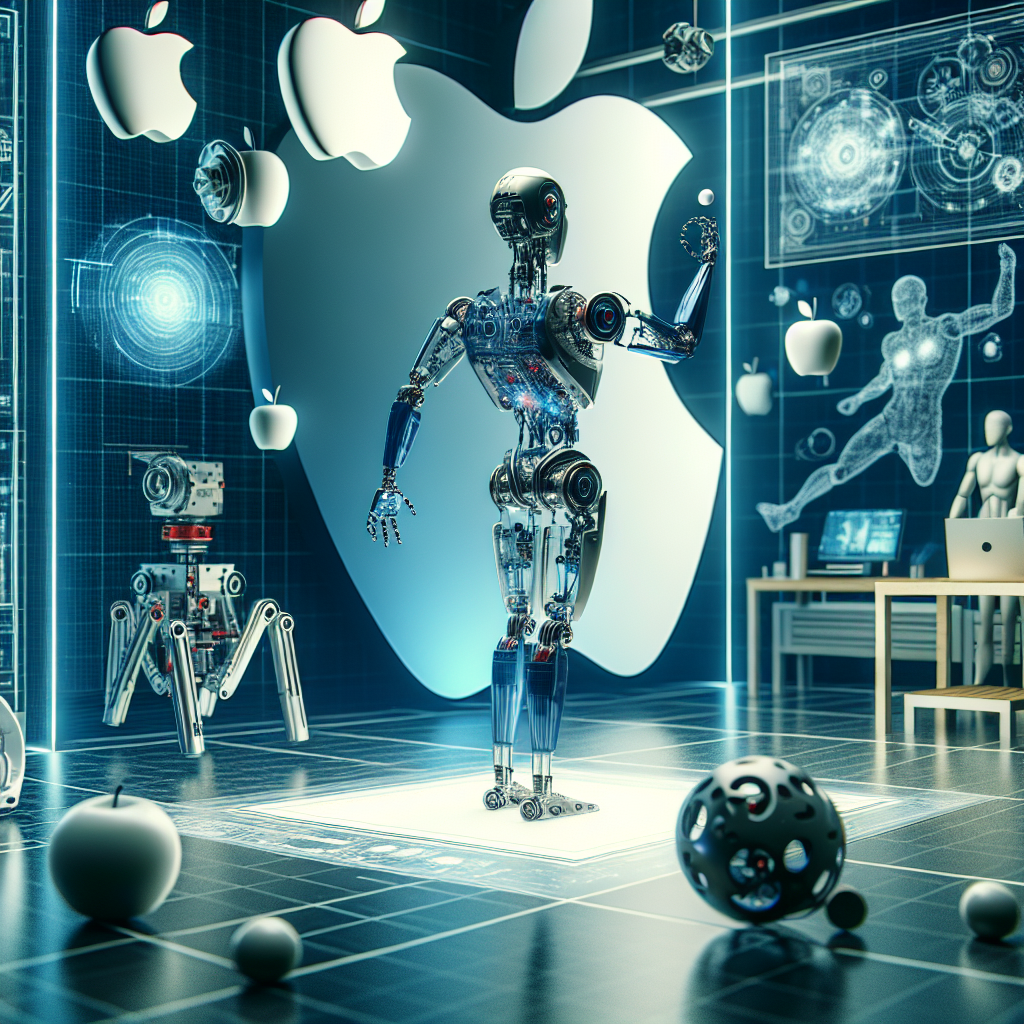
Apple’s Next Frontier: Exploring the Potential of Humanoid Robots
In an era where innovation is the key to success, tech giants are constantly on the lookout for new technologies that can revolutionize industries. Apple, known for its groundbreaking advancements in personal computing, mobile devices, and wearable technology, is reportedly diverting its visionary focus towards humanoid robots. This potential foray into robotics could lead to a new era of smart, interactive human-robot interfaces that could redefine how we live, work, and interact with technology. In this article, we’ll explore what this means for the future and delve into why and how Apple is setting its sights on humanoid robotics.
The Seed of Innovation: Why Humanoid Robots?
Apple’s interest in humanoid robotics isn’t a sudden shift but a strategic move that aligns with its commitment to pushing technological boundaries. But why humanoid robots?
Enhancing Human-Robot Interaction
-
Familiarity and Acceptance: Humans tend to engage more naturally with robots that resemble themselves. Humanoid robots can potentially perform tasks that require human-like movements, expressions, and interactions.
-
Cross-Functional Applications: Humanoid robots can be designed to work in various fields, from healthcare to manufacturing, offering versatility that non-humanoid robots can’t match.
- Simplicity in Design, Complexity in Function: Design simplicity coupled with complex functionality facilitates easier integration into everyday human environments and activities.
Apple’s Competitive Advantage
Apple’s success has often been attributed to its groundbreaking design and performance, and integrating these into robotic technology presents several advantages:
-
Design Expertise: With a legacy in designing sleek and user-friendly products, Apple could create aesthetically pleasing and functional robots.
- AI and Machine Learning: Apple’s robust AI frameworks, such as Core ML, are already laying the groundwork for sophisticated cognitive functionalities that could be integrated into humanoid robots.
How Apple is Poised to Enter the Robotics Arena
The chatter about Apple venturing into robotics is not just hearsay. Here’s how Apple could be strategically planning its entry into this transformative space.
Acquisitions and Investments
Over the last few years, Apple has been actively investing in AI and machine learning firms. Major investments and acquisitions set the stage for a strong foothold in robotics:
-
AI Startup Acquisitions: Apple has acquired several AI startups, ensuring a comprehensive understanding and control over next-gen AI, pivotal for humanoid robots.
- Robotics R&D: Rumors suggest that Apple might be expanding its developmental facilities with a focus on robotics research.
Recruitment of Top Talent
Apple’s hiring trends provide hints about its future ambitions:
-
Expert Engineers and Researchers: Listings for positions involving expertise in robotics and machine learning suggest a push towards building a competent team specializing in humanoid robotics.
- Collaboration with Academia: By collaborating with top research institutions, Apple could harness cutting-edge robotics research, fueling its strategic innovation.
Applications and Implications of Apple’s Humanoid Robots
Understanding the potential applications and implications gives us a clearer picture of what the future might hold with Apple’s humanoid robotics ambitions.
Possible Applications
-
Home Automation: Transforming smart homes by adding a humanoid element can enhance comfort, security, and everyday practicality.
-
Healthcare Assistance: Humanoid robots could serve as personal aides, helping the elderly and differently-abled individuals with daily tasks and medical monitoring.
- Education and Learning: Interactive humanoid robotics can enhance learning experiences, providing personalized education and pushing creative boundaries.
Ethical and Social Implications
As with any technological advancement, humanoid robots must be approached with a balance between innovation and ethical responsibility:
-
Privacy Concerns: The potential for real-time data collection may raise privacy issues, necessitating transparent policies and robust security frameworks.
-
Job Displacement: An increase in automation could disrupt job markets, making sustainable transitions and workforce adaptation crucial.
- Human Acceptance: Gaining widespread acceptance involves addressing concerns over safety, autonomy, and the human-like interactions of these robots.
The Road Ahead: Challenges and Prospects
While Apple’s move towards humanoid robotics holds immense promise, numerous challenges accompany this ambitious undertaking.
Continued Technological Challenges
Despite progress, numerous technological barriers must be overcome:
-
Real-time Processing: Ensuring humanoid robots react in real-time while minimizing latency remains a critical challenge.
-
Battery Life and Energy Conservation: Developing efficient energy solutions to support long operational periods.
- Natural Language Processing (NLP): Advancing NLP to ensure seamless and natural conversations between humans and robots.
Prospects and Future Vision
-
Innovation Synergy: Integrating multiple technologies—AR, VR, AI—into humanoid robotics suggests an ecosystem where seamless interaction enhances the user experience.
- Market Leadership: Apple’s venture into robotics could solidify its position as a leader in technological and robotic innovation, capturing new and emerging markets.
In summary, Apple’s rumored exploration into humanoid robots presents an exciting chapter in technology’s future. With its artistic design excellence and technological prowess in spaces like AI and machine learning, Apple could revolutionize how we interact with robots, integrate them into daily life, and shape the future of technology-driven environments. As this narrative unfolds, the world will be watching closely, eager to see how Apple continues its legacy of innovation and disruption.