
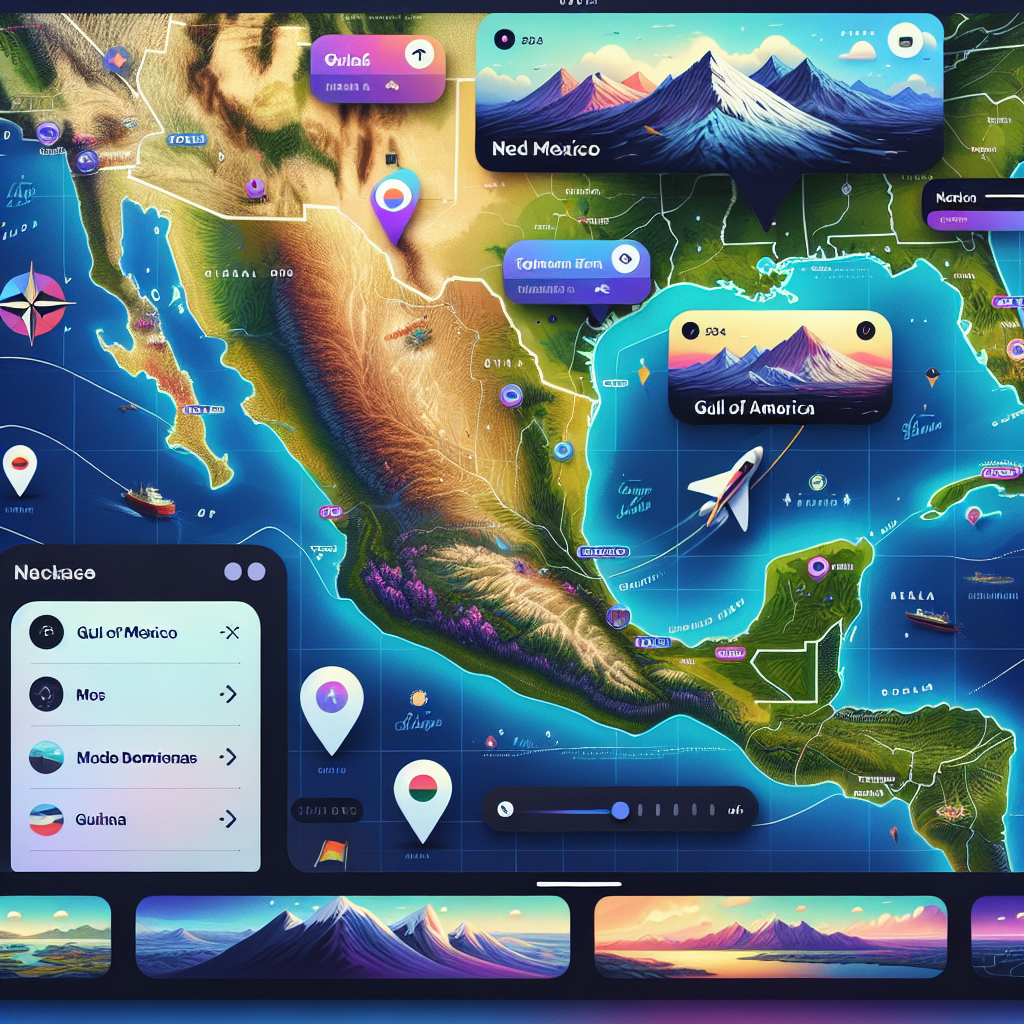
Apple Maps to Introduce ‘Gulf of America’: A Shift in Digital Cartography
In a surprising move, Apple Maps has announced plans to refer to the historically complex body of water at the southeastern United States border as the ‘Gulf of America.’ This decision follows a similar change made by Google Maps, igniting conversations about digital cartography’s evolving role in geographical naming conventions. In this article, we’ll explore the implications of this decision, its impact on users, and the broader trend of technology firms influencing public perception of geo-political spaces.
The Rise of Digital Cartography
A New Era in Map-Making
Maps have been essential tools for navigation and geography for centuries. In the digital age, maps have transformed beyond their traditional roles, morphing into dynamic, interactive platforms that provide real-time information. With satellite imagery, live traffic updates, point-of-interest markers, and more, digital maps like Apple Maps and Google Maps have revolutionized how we perceive and interact with the world.
Key Features of Digital Maps
- Real-Time Traffic Updates: Digital maps offer live traffic data to help plan better routes.
- Interactive User Engagement: Users can add reviews, photos, and tips.
- Customizable Layers: Weather, terrain, and transit layers provide diverse insights.
Such features highlight how these platforms are more than mere digital representations—they shape our understanding of geography.
The Influence of Major Tech Companies
When giants like Apple and Google make changes to their mapping platforms, it can have a significant impact on public consciousness. From redefining borders to renaming regions, these tech companies wield immense power in shaping geographical knowledge.
The ‘Gulf of America’: A New Perspective
Understanding the Name Change
Historically known as the Gulf of Mexico, the water body has been central to various cultural and geopolitical discussions. Apple’s decision to label it the ‘Gulf of America’ has stirred controversy and conversation. But what does this change really mean?
Background and Context
- Historical Context: The Gulf of Mexico has ties to both American and Mexican cultural and political histories.
- Geopolitical Implications: Naming conventions can influence territorial claims and international relations.
Impact on Users
Apple’s decision extends beyond cartographic accuracy and into user experience.
User Navigation and Search Queries
- Simplified Searches: For U.S.-centered navigation, ‘Gulf of America’ might streamline searches.
- Impact on International Users: Non-U.S. users may find this naming choice confusing.
Apple Maps vs. Google Maps: A Comparative Look
How Does Google Handle Naming Conventions?
Google Maps recently garnered attention with its revision to the same region’s designation. But how did they address the naming in practice, and what led Apple to follow suit?
Comparison of Features and User Experience
- Naming Conventions: Google’s policies on geographical names can set industry precedents.
- User Reactions: Feedback from their community often influences updates.
The Race for Accurate Maps
Both platforms strive for accuracy, regularly updating their maps to reflect terrain changes or new city infrastructures. How will this naming decision affect their pursuit of precision?
The Future of Geographical Naming on Digital Platforms
Ethical Implications
The power to name regions carries ethical responsibilities. Companies must consider the socio-political impact and respect native and international designations.
Balancing Accuracy with Inclusivity
- Cultural Recognition: Acknowledging indigenous and local names as a practice of inclusion.
- User-Focused Policies: Encouraging feedback loops to navigate sensitive issues.
Innovate or Alienate: The Fine Line for Tech Giants
In aiming for innovation, tech companies can inadvertently alienate global user bases. How can Apple manage this balance?
Conclusion
The decision by Apple Maps to rename the Gulf of Mexico as the ‘Gulf of America’ marks a significant shift in how digital cartography can influence geographic perceptions. As tech giants like Apple and Google wield influence over global geography understanding, they walk a tightrope between innovation and tradition.
For users, especially those relying daily on these platforms, these changes underscore the importance of staying informed about how digital tools interpret the world around us. As we’ve uncovered, this isn’t merely a change on our screens—it’s a reshaping of our planetary awareness.
What do you think about Apple’s recent change in their maps? Leave your comments below and join the discussion!