
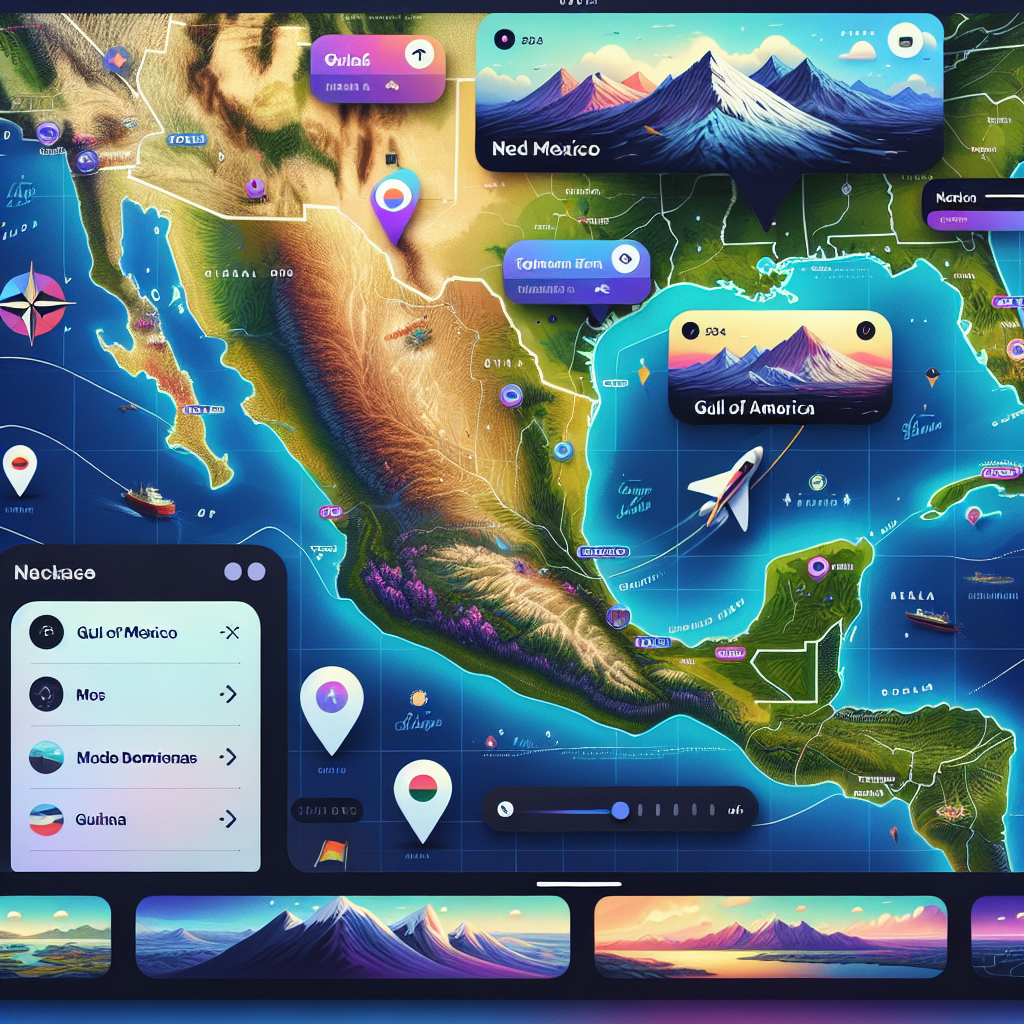
Apple Maps to Rename the Gulf Region as the ‘Gulf of America’: What This Change Means
In a surprising move aligned with its competitor Google, Apple Maps recently announced plans to rename a prominent geographical region to the ‘Gulf of America’. This decision has sparked intrigue and curiosity among users and the general public. But what exactly does this rename entail? Let’s dive into the details of this update, its impacts, and why it matters.
What is the ‘Gulf of America’?
The Historical Perspective
Traditionally known as the Gulf of Mexico, this region stretches along the southeastern coast of North America. Bordered by the United States, Mexico, and Cuba, it is a crucial maritime area that has played a significant role in both commerce and environmental dynamics.
- Historical Significance: The Gulf has been instrumental in early exploration, trade routes, and even historical conflicts.
- Biodiversity: Rich in marine life, it hosts numerous species and is vital for America’s seafood industry.
Why the Rename?
While Google Maps had already integrated the ‘Gulf of America’ label into its service, Apple’s decision to follow suit has sparked debate and discussion. This change reflects an ongoing trend of platforms adapting to new geopolitical and cultural naming conventions.
Reasons driving the change:
- Geopolitical Influences: Naming conventions can sometimes be influenced by political shifts and national interests.
- Local Preferences: Reflects growing calls from certain regional communities advocating for names they feel more represent their cultural identity.
- Consistency Across Platforms: Aligning with competitors like Google, Apple ensures a more unified map-reading experience.
How Apple Maps is Adapting to User Needs
Evolution of Apple Maps
Since its inception, Apple Maps has consistently evolved to enhance user experience. From initial criticisms to cutting-edge advancements, the platform has come a long way.
- Technological Upgrades: Introduction of features like 3D Flyover mode and real-time transit information.
- User-Centric Enhancements: Emphasizing privacy and personalized suggestions, such as route preferences.
The Importance of Names in Mapping
Names on a map are not merely labels; they represent history, culture, and identity. Thus, accuracy and representation are crucial.
- Cultural Sensitivity: Aware of the implications, mapping services strive to reflect names that resonate culturally and historically.
- User Trust: Accurate and up-to-date information fosters trust among users who rely on these maps for navigation and education.
Impacts of ‘Gulf of America’ on Users and Stakeholders
Navigational Convenience
For everyday users, the change might seem trivial, yet it has potential implications on navigation and understanding.
- Search Optimization: Easier for users to find locations if names are synchronized across platforms.
- Educational Resources: Updates in educational material to reflect new naming conventions could follow.
Economic and Environmental Considerations
The Gulf region holds immense economic and environmental importance. How does a name change impact these arenas?
- Economic: Bearing no immediate direct economic impact, businesses engaged in the region may need to update their branding materials for consistency.
- Environmental: The renaming does not change environmental policies; however, it does underscore the importance of the Gulf, cultivating broader awareness regarding environmental conservation efforts.
Broader Implications of Map Labeling
Global Context of Naming Disputes
The ‘Gulf of America’ renaming exemplifies a broader pattern of geographical naming disputes across the globe.
- Famous Examples: The naming of the ‘South China Sea’ and tensions surrounding it.
- International Diplomacy: Names can influence diplomatic ties and perceptions among countries.
Future Predictions for Mapping Services
As technological and cultural landscapes continue to evolve, what might the future hold for digital maps?
- Integration of Augmented Reality (AR): Enhancements like real-time AR navigation can offer richer contextual information about regions.
- Community-Sourced Updates: Increased reliance on local input to drive naming conventions and updates via open-source map corrections.
Conclusion: Navigating the New Norm
The update from Apple Maps to label the Gulf region as the ‘Gulf of America’ demonstrates the technology’s dynamic nature and its response to evolving geopolitical landscapes. While a name might seem like a small detail, it embodies wealth in cultures, histories, and the interplay of personal and national identities for millions. Such changes, while aligning platforms for consistent user experience, also instigate discussions about how we, as a global community, view, label, and understand the world around us.
As we move forward, how map naming conventions evolve will be crucial in shaping user interactions, cultural understanding, and navigational convenience. The ‘Gulf of America’ is not just a name; it’s a new chapter in the continual story of understanding and engaging with our environment.
Remember to stay updated on your map applications as more of these changes occur, ensuring your navigation remains accurate and efficient.