
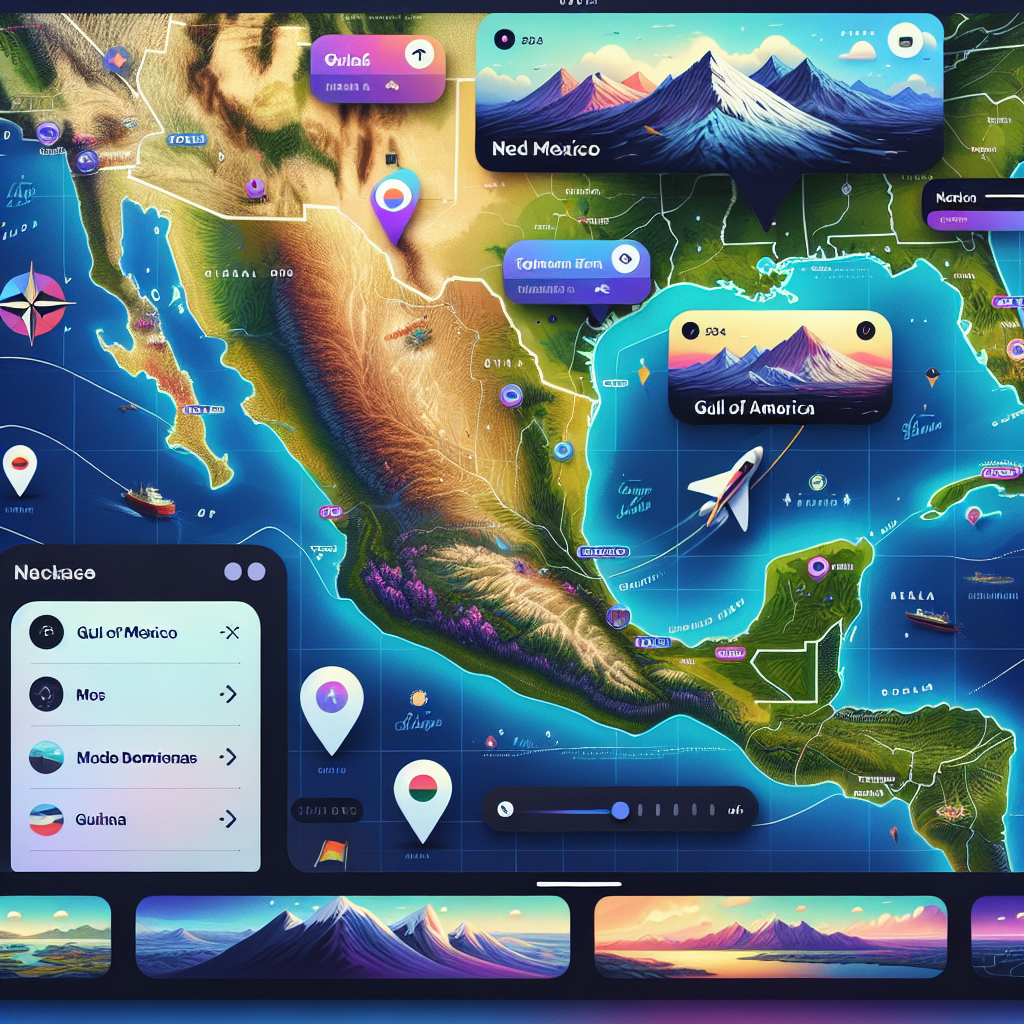
Apple Maps to Label ‘Gulf of America’: A Significant Update Following Google’s Footsteps
In the digital age, geographic naming conventions play a crucial role in how we perceive and interact with different parts of the world. Recently, a notable development in this area has caught the attention of tech enthusiasts and geography aficionados alike: Apple Maps is set to label the body of water between the southeastern United States and Mexico as the "Gulf of America." This change is following in the footsteps of Google’s similar move, raising questions and sparking discussions worldwide.
In this article, we aim to delve into the implications, history, and potential impacts of this update by Apple Maps. From understanding the motivations behind this decision to exploring how it aligns with digital mapping trends, we’ll cover all angles.
Understanding Digital Map Labeling
The Evolution of Geographical Naming in Digital Maps
Over the past decades, digital maps have undergone profound transformations. These platforms are no longer just navigational aids; they are comprehensive geographic tools that millions use daily to explore the world.
- Shifts in Naming Conventions: Historically, geographic names have always been localized. Yet, digital maps demand uniformity for global comprehension.
- User Impact: Names influence how users interact with regions. For example, a name can affect political perceptions, tourism trends, and even economic decisions.
The Significance of Naming Bodies of Water
Bodies of water serve as critical geographical markers. Their names often carry historical, political, and cultural significance. In the case of the "Gulf of America," this label choice could reflect broader regional ties or geopolitical considerations.
- Historical Influence: Bodies of water have been named after explorers, historic events, or cultural terms familiar to local populations.
- Current Trends: Emphasis is increasingly placed on representing waters in ways that reflect contemporary geographic and political realities.
Why the ‘Gulf of America’?
Behind Apple’s Decision
According to industry insiders, Apple’s choice to name the Gulf this way aligns with a larger strategy aiming for consistency and increased local relevance.
- Geo-political Considerations: It’s possible that emphasizing "America" in the name might help foster a sense of ownership or alliance within the region.
- Cultural Alignment: Such naming changes can aid in aligning with users’ maps experiences in local cultural contexts.
Google’s Influence in Digital Mapping
Google Maps has already made a similar move, which likely influenced Apple’s decision. But why did Google decide to lead this change?
- Technological Advancements: With improvements in geo-location technologies, there’s increased accuracy in how places are represented.
- Market Leadership: As a market leader in digital mapping, Google often sets trends which others follow to maintain competitiveness.
Potential User Benefits
Changing a map label might initially seem trivial, but it can hold profound effects for end users:
- Reduced Confusion: Users can navigate digital maps more easily when names reflect language or colloquial norms they recognize.
- Improved Usability: Users who feel represented or comprehended in digital services are more likely to engage with them positively.
Controversies and Criticisms
Debate Over Geographic Renaming
Not everyone supports the idea of renaming established geographic landmarks. Critics raise the following concerns:
- Historical Erasure: Adapting new names could potentially disregard centuries of historic references.
- Political Agendas: Geographical names are not just labels; they often carry implicit political messages.
User Reactions: Analyzing Feedback
Feedback from users around the world offers insights into how people perceive these changes. While some welcome them, others express resistance.
- Social Media Trends: Platforms like Twitter and Facebook have seen lively debates on this topic.
- Public Polls: Surveys indicate a mixed reaction among users from different countries and regions.
The Future of Digital Mapping
Tech Companies and Geographic Responsiveness
As global conversations shift toward increased diversity and representation, tech companies strain to reflect these trends in services like mapping.
- Dynamic Updates: Companies are investing in AI and data-driven methodologies to update maps more responsively.
- User Contributions: Platforms increasingly allow users to suggest or amend geographic labels, democratizing the change process.
Beyond Geographic Names: What’s Next for Apple Maps?
The move to label "Gulf of America" may mark the beginning of more groundbreaking changes in Apple Maps. But what might we expect in the near horizon?
- Enhanced AR Features: Augmented reality could revolutionize how users interact with maps in real-time.
- Integration with Smart Devices: As IoT continues to expand, connectivity between maps and other smart services is slated to grow.
Conclusion
The forthcoming update to Apple Maps by introducing the label ‘Gulf of America’ underscores a significant moment in digital mapping’s evolving narrative. By emphasizing regional relevance and aligning with user expectations, Apple, like Google before it, illustrates the intricate dance of adapting to global trends while navigating local sensitivities. Whether branded as progressive or contentious, this decision emphasizes digital cartography’s role not only in transforming how we view geography but also in shaping our interconnected world.
By understanding these ongoing changes in our digital landscapes, users can appreciate the balancing act companies perform in delivering comprehensive mapping solutions. Whether you’re a nostalgic traditionalist or a forward-thinking tech enthusiast, these updates offer a fascinating glimpse into digital mapping’s transformative journey. So, next time you open your map, consider the weight each label carries and the potential stories it tells.