
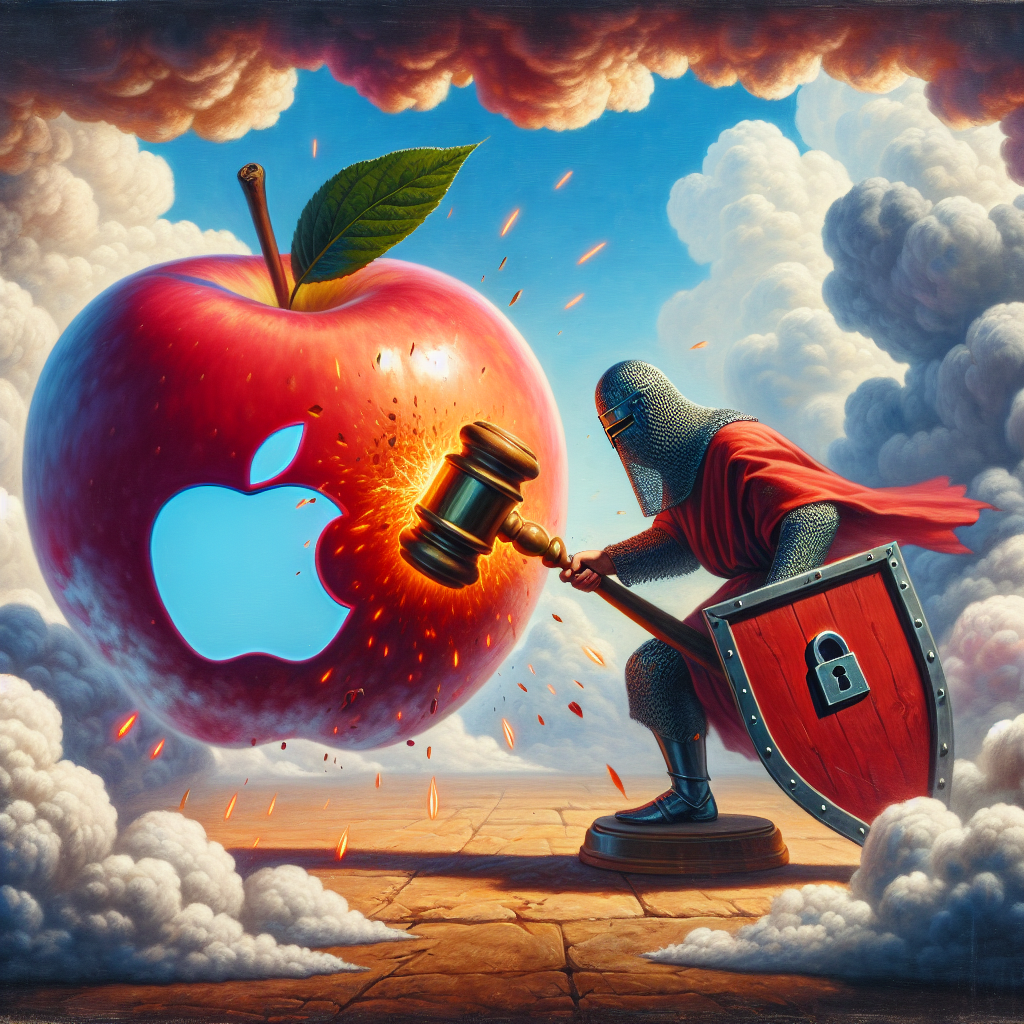
Apple Challenges U.K.’s iCloud Encryption Backdoor Order: A Battle for Privacy
In today’s digital landscape, privacy and security have become central topics of discussion. Leading the charge in this dialogue is tech giant Apple, renowned for its steadfast commitment to user privacy. Recently, Apple’s ongoing efforts hit a roadblock in the United Kingdom, where the government has mandated a backdoor in iCloud encryption—prompting a spirited challenge from Apple. This article delves into this significant development, exploring its implications and what it could mean for the future of privacy and technology.
Understanding the Background: Encryption and the Need for Privacy
What is Encryption?
Encryption is essentially the process of converting information or data into a code, especially to prevent unauthorized access. In the realm of digital communications, encryption ensures that the information sent between devices is secure and only accessible to the intended recipient.
- End-to-end Encryption (E2EE): A widely adopted method where data is encrypted on the sender’s system and remains encrypted until it reaches the recipient.
- Importance for Users: Protects sensitive data such as personal information, banking details, and private conversations from prying eyes.
The Significance of Encryption for Tech Companies
For a company like Apple, dedicated to user privacy, encryption is not just a feature—it’s a promise:
- User Trust: By maintaining robust encryption, Apple ensures user trust and brand loyalty.
- Market Differentiation: As privacy concerns rise, strong encryption capabilities set companies apart from competitors.
The U.K. Government’s Order: A Call for Backdoor Access
What is the Backdoor Order?
The U.K. government has called for Apple to create a backdoor in its iCloud encryption. A "backdoor" in this context refers to a method by which third parties, such as government agencies, can bypass normal authentication and encryption.
Justifications by the Government
The government argues that such measures are necessary to:
- Combat Criminal Activities: Providing law enforcement agencies access to critical data can help in tackling terrorism, child exploitation, and other serious crimes.
- National Security Concerns: In an era of increased cyber threats, having key data could aid national security operations.
Apple’s Response and Concerns
Apple’s challenge to the U.K.’s order is rooted in several concerns:
- User Privacy and Security: A backdoor, however well-intentioned, could potentially weaken encryption, exposing users to additional risks.
- Precedent for Other Governments: Agreeing to such demands sets a dangerous precedent globally, leading to similar requests from other governments.
The Consequences of Implementing a Backdoor
Impacts on User Security
If implemented, a backdoor can pose serious risks:
- Vulnerability to Hackers: Once a backdoor exists, it becomes a target for hackers, who can exploit it for malicious purposes.
- User Data at Risk: Sensitive personal and financial information might be compromised, affecting millions of users.
Economic and Ethical Implications for Apple
- Market Reputation: Going against its long-principled stance on privacy could harm Apple’s brand reputation.
- Ethical Dilemma: The decision pits ethical considerations of individual privacy against collective security interests.
Global Ramifications and the Future of Privacy
A Broader Global Impact
The outcome of Apple’s challenge in the U.K. could:
- Influence privacy policies across other countries.
- Impact the ongoing global discourse on the balance between privacy and security.
The Future of Encryption and Privacy
As the world becomes increasingly digital, the encryption debate will continue to evolve. Key considerations include:
- Innovations in Privacy Technology: Companies may explore new ways to enhance security without compromising privacy.
- Legal and Regulatory Frameworks: Continuous developments in international laws may shape how encryption is managed globally.
Conclusion: The Importance of Apple’s Challenge
In challenging the U.K.’s iCloud encryption backdoor order, Apple is not only defending its users but also shaping the global conversation on privacy. As technology advances, the world will closely watch this landmark case for its far-reaching implications on privacy, security, and encryption.
For tech enthusiasts and everyday users alike, the dialogue between Apple and the U.K. represents a pivotal moment. Understanding the stakes involved equips us with the knowledge to advocate for our digital rights and shape the tech landscape of tomorrow. In this ongoing battle, every voice counts, and every outcome matters.
By staying informed, engaged, and vocal, users can contribute to a future where privacy and security work hand in hand, empowering individuals and protecting personal data. Keep an eye on this developing story, as it will undoubtedly influence the tech industry’s trajectory and our digital lives for years to come.