
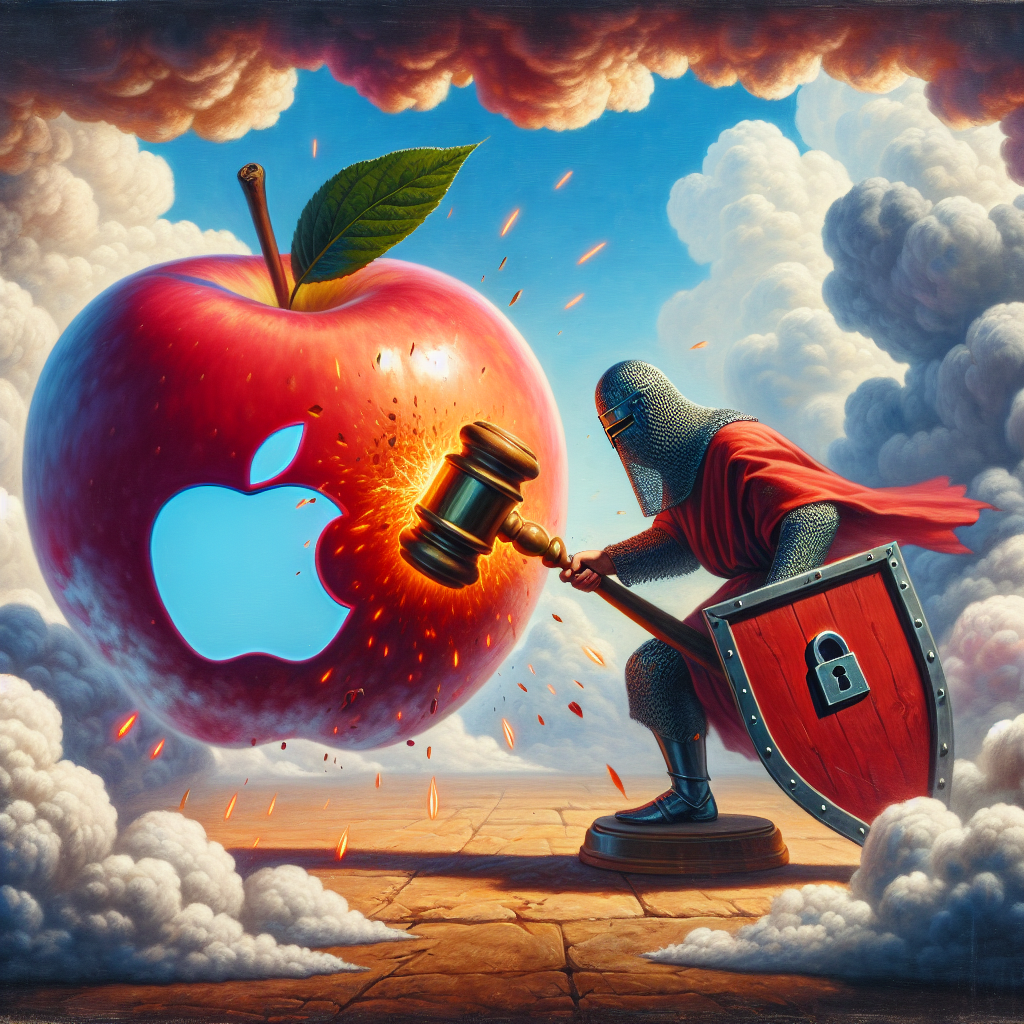
Apple vs. U.K. Government: The Battle Over iCloud Encryption Backdoors
In the realm of digital privacy, one can seldom ignore the ongoing battle between tech giants and governmental authorities. A major development has recently unfolded, focusing on Apple as it challenges the U.K.’s potential order for an iCloud encryption backdoor. This high-stakes standoff between Apple and the U.K. government not only affects those within British borders but has broader implications for global digital privacy and security. So, why is this so contentious, and what does it mean for the average user? Let’s dive into the details.
Understanding the Context
The tug-of-war over encryption is not new, but with increasing data breaches, cyber-attacks, and demands for privacy, this issue has become more heated. On one side, governments argue that they need certain access to ensure national security and fight crime effectively. On the other hand, tech companies like Apple have been staunch advocates for protecting user data without compromise.
What is iCloud Encryption?
Apple’s iCloud service is known for its robust end-to-end encryption, which means that data stored in the cloud is only accessible by the user and no one else—not even Apple. This ensures that sensitive data such as passwords, bank details, and private communications remain confidential.
Why the U.K. Wants Access
- National Security: Authorities argue that criminals and terrorists might exploit strong encryption to conceal their activities.
- Fighting Crime: Detectives and law enforcement officials claim they need access to encrypted data to solve crimes, particularly with rising cybercrime rates.
Apple’s Standpoint
- User Privacy: Apple believes in protecting user privacy above all and has consistently strived to build a reputation for safeguarding personal data.
- Technical Feasibility: Apple argues that creating a backdoor could inadvertently pose risks by increasing opportunities for malicious actors to exploit this access.
The Implications of a Backdoor
A government-mandated backdoor is essentially a built-in flaw in the encryption process, intended solely for the use of law enforcement. However, many cybersecurity experts warn against the unintended consequences:
Risks Involved
- Vulnerability: A backdoor can be discovered and exploited by hackers, which compromises all users’ data.
- Loss of Trust: Users might lose faith in Apple’s ability to protect their information, driving them to seek alternatives.
- Precedent Setting: Agreeing to one government’s demands could cascade into similar requests worldwide, leading to a systemic weakening of global data security.
Alternatives to Backdoors
- Open dialogue between tech companies and governments to create policies that balance privacy with national security.
- Development of advanced forensic techniques that don’t rely on weakening encryption.
Apple’s Challenge to the U.K. Order
The Legal Landscape
The Investigatory Powers Act 2016, often referred to as the ‘Snooper’s Charter,’ allows the U.K. government to compel companies to bypass encryption. Apple’s challenge focuses on:
- Legal Grounds: Debating whether the law is interpreted in line with privacy rights.
- Jurisdiction Issues: As an American company, Apple questions the U.K.’s reach concerning its global operations.
Impact on Apple’s Global Operations
- Resources: Legal disputes can drain Apple’s resources, both financially and in terms of focus.
- Design Changes: If enforced, Apple might have to design region-specific products, leading to inconsistent user experiences.
The Global Implications
While this legal skirmish is centered in the U.K., its outcomes could influence global legislation and tech industry practices:
- International Precedents: Other nations may follow the U.K.’s lead if the government wins, reshaping privacy laws worldwide.
- Industry Unity: Companies might band together to resist governmental pressures, leading to industry-wide standards or coalitions.
Public Perception and Consumer Responsibility
- Support for Privacy Advocacy: Many consumers support Apple’s stance on privacy, valuing security over potential governmental overreach.
- Consumer Awareness: Users should become informed about how their data is handled and advocate for responsible tech practices.
Here’s how you can be part of this pivotal moment:
- Stay Informed: Keep abreast of developments in digital privacy rights.
- Secure Your Data: Use strong, unique passwords and be cautious with sharing sensitive information.
- Advocate for Privacy: Support policies and practices that prioritize user privacy.
Conclusion
As Apple challenges the U.K.’s iCloud encryption backdoor order, the complexity of balancing security and privacy is brought to the forefront. This ongoing debate not only affects iCloud users in the U.K. but also stands to influence the global digital landscape. With both national security and personal privacy at stake, it’s clear that the final outcome of this legal battle will resonate for years to come, serving as a landmark in digital privacy rights.
As the digital age continues to evolve, so must our conversations about privacy, security, and our rights as digital citizens.