
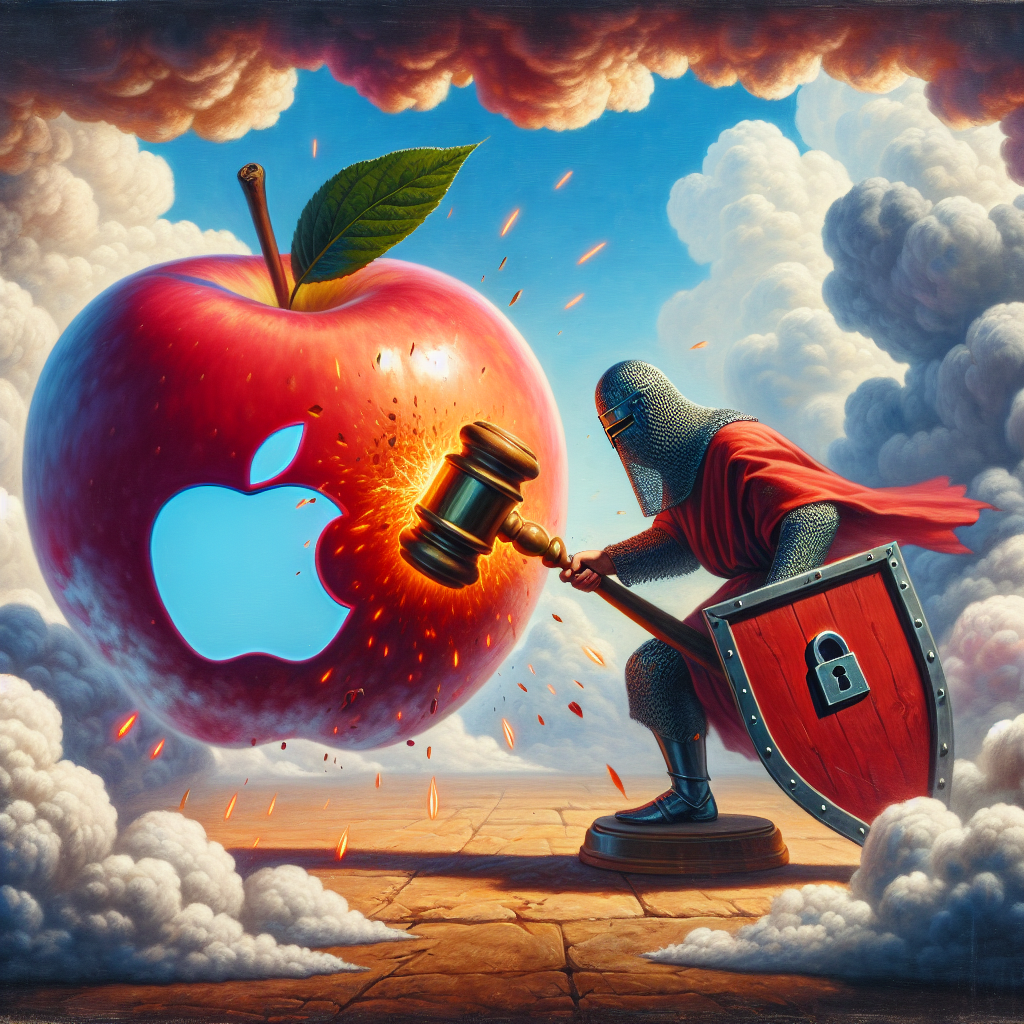
Apple’s Encryption Battle in the UK: A Bold Stand Against Privacy Backdoors
In today’s digital age, privacy and security have become paramount for both tech companies and users. With numerous high-profile incidents of data breaches and growing surveillance concerns, consumers are more concerned than ever about the privacy of their data. Apple, known for its strong stance on privacy, is once again in the spotlight. This time, it’s challenging the UK’s request to create an encryption backdoor for iCloud. Let’s dive into this intriguing story about Apple’s firm stand for user privacy.
The Background: Understanding Encryption Backdoors
What is Encryption?
Encryption is the process of converting data into a code to prevent unauthorized access. In simple terms, it’s like locking your personal diary with a complex code that only you know. End-to-end encryption is more enhanced, as it ensures that data is encrypted on the sender’s device and only decrypted on the recipient’s device, with no intermediaries (like service providers) able to access this data.
The Debate Over Backdoors
In recent years, governments worldwide have been wrestling with the balance between national security and individual privacy. The argument for encryption backdoors is that they allow government agencies to access data crucial for investigations into terrorism, child exploitation, and other serious crimes. However, tech companies like Apple argue that creating such backdoors would not only infringe on personal privacy but also make systems vulnerable to hackers.
Apple vs. The UK: An Overview
Why the UK Wants an iCloud Backdoor
The UK government, under its Investigatory Powers Act (often referred to as the "Snooper’s Charter"), has been actively pursuing more control over encrypted data. Their argument rests on:
- Combatting Crime: Access to encrypted data could help authorities tackle serious crimes.
- National Security: With growing concerns over domestic and international terrorism, having access to iCloud data might provide crucial intelligence.
Apple’s Stand on Privacy
Apple has built a reputation as a guardian of user privacy, integrating strong encryption measures across its devices and services. Here’s why Apple is opposing the UK’s request:
- Slippery Slope: Introducing a backdoor may set a precedent, urging other nations to request similar access.
- Security Risks: Backdoors can be exploited by malicious actors, making user data vulnerable.
- Core Values: Apple’s brand is strongly aligned with privacy, and compromising this could damage user trust and their market position.
The Technical Perspective: How Does iCloud Encryption Work?
Current iCloud Encryption Framework
As of now, iCloud employs a robust encryption framework that ensures:
- Data Encryption In Transit: Information is encrypted as it travels from user devices to iCloud.
- Data Rest Encryption: Once data reaches iCloud servers, it remains encrypted.
- Two-Factor Authentication: An added layer of security for user accounts.
Potential Implications of Adding a Backdoor
- Development Complexity: Adding a backdoor would require extensive changes to Apple’s infrastructure.
- Increased Vulnerability: A backdoor could weaken the security posture, making it more susceptible to cyber-attacks.
- Loss of Consumer Confidence: Users may opt for alternatives if they feel their data isn’t safe with Apple.
Why This Battle Matters
Broader Implications for Tech Companies
Apple’s battle with the UK government isn’t just a single company resisting a single policy; it’s a herald of broader battles than many tech companies will likely face. Other countries may take cues from this situation and impose similar backdoor requirements, leading to a patchwork of global encryption standards and heightened operational complexities for multinational corporations.
The Precedent for Digital Rights
The outcome of this battle could set a legal and ideological precedent for digital privacy rights. A victory for Apple might embolden other tech corporations to contest similar governmental demands worldwide, potentially leading to more robust privacy safeguards for consumers everywhere.
What Happens Next: The Possible Scenarios
Scenario 1: Apple Stands Its Ground
Should Apple maintain its stand and win its case, this could strengthen its reputation, ensuring users worldwide that their data is fully protected, without interference. It might also cement Apple’s leadership role in advocating for digital privacy rights.
Scenario 2: The UK Enforces its Request
If Apple complies (voluntarily or otherwise), it could:
- Lead to further backlash and activism from digital rights organizations.
- Prompt other governments to adopt similar encryption policies.
- Cause Apple to reassess its policies, potentially causing a ripple effect on its brand image and consumer trust.
Conclusion: The Future of Digital Privacy
The ongoing dispute between Apple and the UK government isn’t just about encryption methods or corporate policies — it’s about the future of digital privacy worldwide. As consumers, staying informed about these matters and understanding the importance of encryption is crucial.
In the age of information, the tools of encryption control who wields power — the individual or the overarching authority. Apple’s challenge symbolizes a much larger struggle that has implications for all global citizens. While it remains to be seen how this legal saga will unfold, one thing is certain: the stakes for digital privacy have never been higher.
By engaging with these developments, consumers, governments, and companies can collectively pave the way for a more secure, privacy-focused digital future. Feel free to share your thoughts, comments, or questions below. Let’s continue this essential conversation on digital privacy and security!