
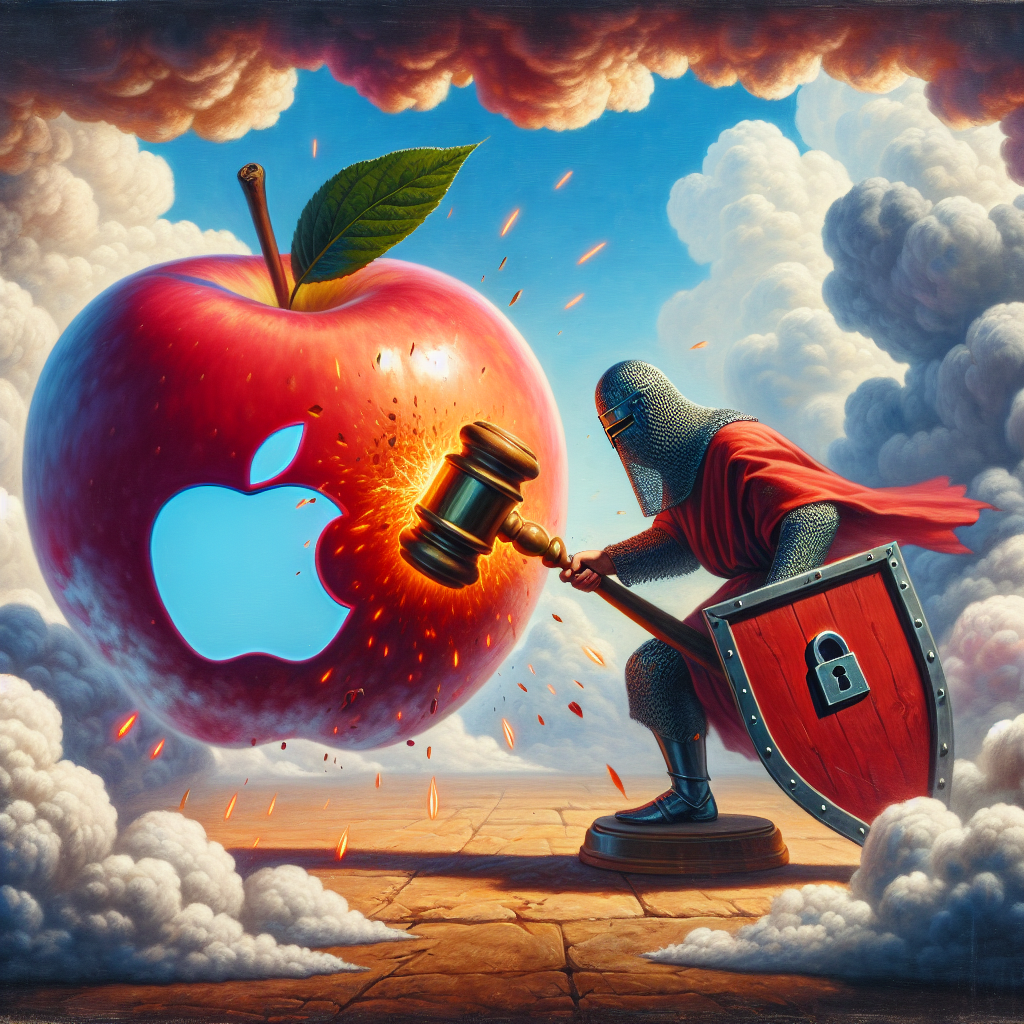
Apple vs UK Encryption: The Battle Over iCloud Security
In the world of technology and privacy, few issues stand as contentious as the debate over encryption. Recent developments have thrust this issue into the spotlight, as Apple is challenging the United Kingdom’s demand for an iCloud encryption backdoor. This bold move by Apple sets the stage for a significant confrontation over user privacy, national security, and the role of tech companies in society.
Introduction to the Encryption Debate
As technology evolves, so too does the conversation around privacy and security. In recent years, governments worldwide have sought ways to balance national security with individual privacy. At the heart of this debate lies the issue of encryption—a crucial technology that secures data from prying eyes.
Encryption ensures that our messages, photos, and sensitive information remain private. However, for governments, this creates a predicament: what happens when encryption stands in the way of criminal investigations? The UK, in its quest to enhance public safety, has requested a backdoor to Apple’s iCloud encryption, sparking a significant ethical and legal battle.
What is iCloud Encryption?
Understanding the issue begins with a look at what iCloud encryption entails. Apple’s iCloud offers a platform where users can store their data—ranging from photos to documents—in the cloud. To protect this data, Apple employs end-to-end encryption, ensuring that only the user can access it.
- End-to-End Encryption: This is a secure method of communication where only the communicating users can read the messages. Essentially, the data is encrypted on the sender’s device and only decrypted on the recipient’s device.
- Apple’s Commitment to Privacy: Apple’s dedication to user privacy is well-documented. The company has continually emphasized its commitment to protecting user data from unauthorized access.
The UK’s Backdoor Order
The UK’s request for a backdoor into Apple’s iCloud encryption marks a critical moment in the encryption debate. The government argues that such access is necessary to combat crime and protect national security. But what exactly does the UK want from Apple?
The Nature of the Backdoor Request
The UK government’s request involves creating a method for authorized agencies to access encrypted data on iCloud without the consent or knowledge of the user. This backdoor would theoretically allow agencies to decrypt information during investigations.
- Rationale Behind the Request:
- National Security: The primary justification for the backdoor is the need to prevent and investigate serious crimes, such as terrorism.
- Law Enforcement Needs: Authorities argue that in certain cases, accessing encrypted data is crucial for effective law enforcement.
Apple’s Stance and the Privacy Implications
Apple has taken a firm stand against the UK’s request, citing potential risks to user privacy and security. The company argues that creating a backdoor could compromise the integrity of their products and make them more susceptible to cyberattacks.
- Risks of a Backdoor:
- Security Vulnerabilities: Introducing a backdoor could inadvertently create security weaknesses that hackers might exploit.
- Precedent Concerns: Acquiescing to the UK could set a dangerous precedent, leading other countries to make similar demands.
Legal and Ethical Considerations
The conflict raises significant legal and ethical questions about the role of tech companies in safeguarding user privacy versus assisting in national security efforts.
- Legal Challenges: The case could lead to a monumental legal battle over the extent of governmental powers versus corporate responsibility.
- Ethical Dilemmas: The ethical considerations involve balancing the need for public safety with protecting individual rights and freedoms.
Global Implications of the Encryption Battle
This confrontation between Apple and the UK is not just a local issue but a global one. It could influence tech policies and the approach to encryption worldwide.
Impact on Global Privacy Standards
As one of the world’s leading tech companies, Apple’s decisions significantly impact global privacy standards. Their resistance to the UK’s demands reinforces their commitment to privacy and may influence other companies’ policies.
- International Reactions:
- Tech Industry Solidarity: Other tech giants may rally behind Apple, strengthening the corporate defense against government overreach.
- Privacy Advocates’ Support: Privacy organizations may leverage this case to push for stronger privacy laws globally.
Potential for International Precedents
The outcome of this battle could set precedents that affect international laws and regulations on digital privacy and cybersecurity.
- Influence on Legislation: Countries around the world might look to the UK and Apple’s situation as a reference when crafting their own laws on encryption and privacy.
The Future of Encryption and Privacy
As the Apple versus UK saga unfolds, it prompts broader questions about the future of encryption and privacy. What could the outcome mean for the common user?
Shaping the Consumer Privacy Landscape
- Consumer Trust: How tech companies handle these challenges will significantly impact user trust and loyalty.
- Product Development: Future device features and functionalities may be influenced by legal standards established in such cases.
The Role of Public Opinion
Public opinion can play a crucial role in shaping the direction of privacy policies. As consumers become more aware of their digital rights, they may demand greater transparency and protection from tech companies and governments alike.
- Awareness and Advocacy: The case highlights the importance of digital literacy and consumer advocacy in influencing policy decisions.
Conclusion: The Ongoing Battle for Privacy
The ongoing battle between Apple and the UK over iCloud encryption is a critical chapter in the evolving narrative of digital privacy and security. As these developments unfold, they underscore the urgent need for continued dialogue and thoughtful legislation that considers the complex interplay between privacy, security, and technological advancement.
In a world where digital interactions increasingly define our lives, the outcome of this dispute could shape the digital rights landscape for years to come. As consumers, staying informed and engaged is our best tool to ensure that our rights are protected in this rapidly advancing technological age.