
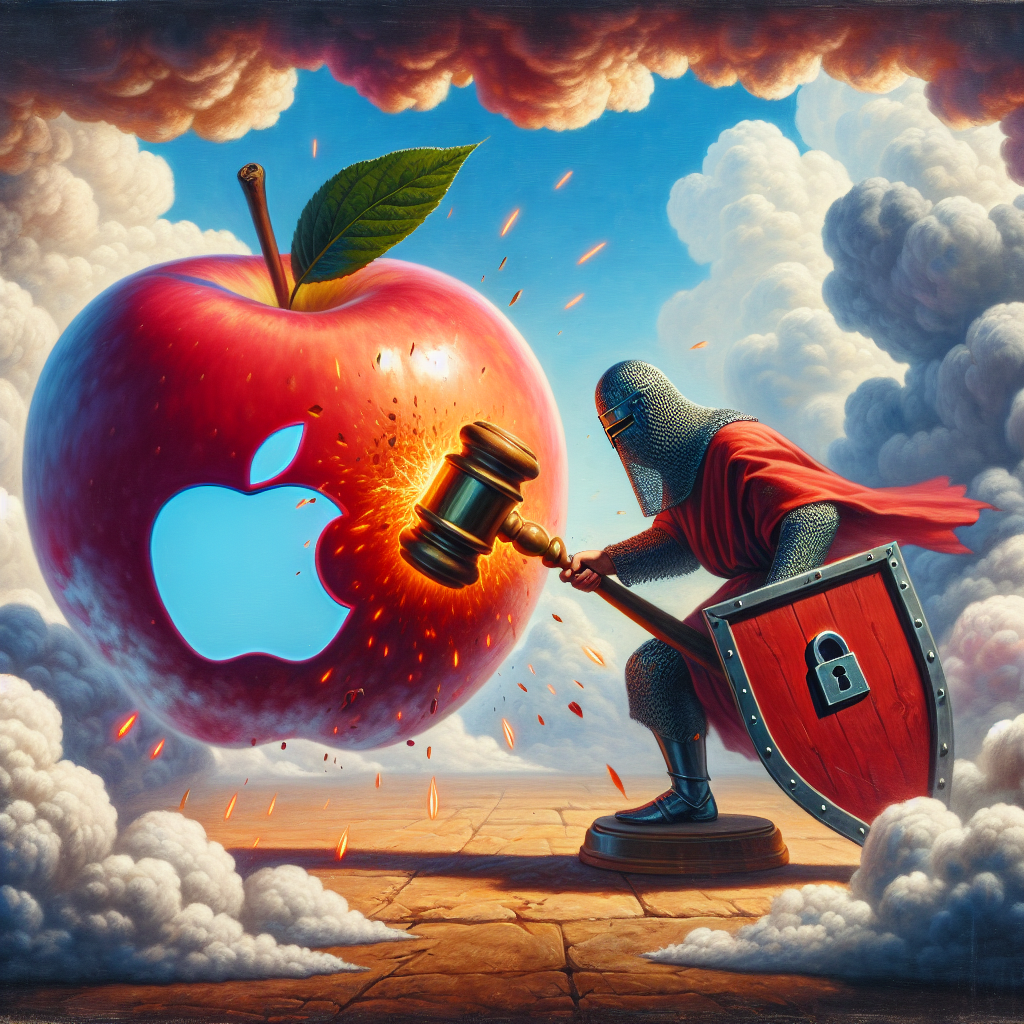
Apple Stands Firm: Debating the U.K.’s iCloud Encryption Backdoor Request
In a world where data privacy and security have become paramount, tech giant Apple finds itself embroiled in a heated confrontation with the United Kingdom. The crux of the matter? A controversial order from the U.K. government, demanding a backdoor entry into Apple’s iCloud encryption system. At the heart of this dispute is a fundamental question: should companies compromise on user security for state interests?
With encryption being a pivotal feature in data protection, this development has notably stirred public and industry discourse. The stakes are high, and the implications vast. In this comprehensive exploration, we delve into the details of this clash, its potential outcomes, and its broader implications.
Understanding iCloud Encryption
What is iCloud Encryption?
iCloud encryption is Apple’s method of securing data stored in the cloud. It involves encoding users’ information to prevent unauthorized access, ensuring that personal data like photos, emails, and documents remain private. Apple employs end-to-end encryption for certain information, which means only the user can decrypt and access their data.
Key Features of iCloud Encryption:
- End-to-end security: Available for certain data types, ensuring maximum privacy.
- Data integrity: Maintains data fidelity without external interference.
- User privacy: Designed to protect user data from both hackers and unauthorized authorities.
The Importance of Encryption
Encryption serves as a fortress, safeguarding information against cyber threats. In an age where cyberattacks are increasingly sophisticated, encryption provides a crucial defense mechanism. This technology empowers users with control over their data and maintains trust in digital platforms.
Benefits of Robust Encryption:
- Data privacy: Ensures confidentiality and secure communication channels.
- Trust: Builds consumer confidence in tech services.
- Legal protection: Complies with various international data protection laws.
The U.K.’s Controversial Request
Why is the U.K. Demanding a Backdoor?
The U.K. government argues that a backdoor into encrypted platforms like iCloud is essential for national security purposes. They cite the need to intercept communications between criminals and terrorists as a justification for this request.
Government Rationale:
- Detect and thwart terrorist activities.
- Combat organized crime.
- Protect citizens from potential threats.
While these intentions aim to ensure safety, the approach has ignited a fierce debate about privacy rights versus national security.
Legal Context and Precedents
The situation mirrors previous encounters whereby governments have clashed with tech companies over security and privacy. Notable cases include the San Bernardino incident in the U.S., where Apple resisted providing access to encrypted data on an iPhone involved in terrorism.
Precedents Impacting the Current Debate:
- San Bernardino case: Emphasized the conflict between judicial orders and company policies.
- European regulations: Highlighted through the GDPR, advocating stringent data privacy laws.
Apple’s Response
Standing Firm on User Privacy
Apple has long positioned itself as a champion of user privacy. In response to the U.K.’s demand, Apple argues that introducing a backdoor into encrypted systems compromises security and integrity for all users.
Apple’s Justifications:
- Universal Security Risks: A backdoor, once created, could potentially be exploited by malicious actors.
- User Trust: Apple believes breaking encryption would erode trust in their commitment to privacy.
- Ethical Standpoint: The company maintains that they should not be forced to undermine secure systems.
Implications for Global Tech Policies
Apple’s resistance to the U.K.’s request sets a significant precedent in global tech and policy circles, influencing how other companies might respond to similar demands.
Global Repercussions:
- Tech Industry Standard: Reinforces the importance of user-centric security policies.
- Judicial Influence: Could impact future legislative processes concerning digital privacy.
- International Relations: May stir discussions on balancing national security needs with corporate policies.
The Broader Implications
Balancing Security and Privacy
This ongoing conflict underscores the growing tension between privacy rights and security demands. Striking a balanced approach remains a challenge for governments and tech companies alike.
Key Considerations Moving Forward:
- Transparency: Governments and companies must engage in open dialogues about expectations and limitations.
- Innovation vs. Regulation: Encouraging innovation while respecting privacy boundaries to promote safe digital environments.
- Public Discourse: Ensuring the public remains informed and engaged in discussions around their digital rights.
Future of Encryption and Privacy Laws
As this issue unfolds, it is likely to influence the evolution of encryption norms and privacy legislation worldwide. Stakeholders must navigate these waters carefully to align technological advancements with societal values.
Apple’s tussle with the U.K. over iCloud encryption is more than just a legal matter—it’s a battleground for the fundamental principles of privacy and security in the digital age. With technology rapidly advancing, setting clear boundaries for data protection is essential. As the world watches, the outcomes of this dispute may well chart the course for future transparency, security, and liberty in the digital landscape.
Stay informed and stay secure. Your privacy matters.
To continue following this saga and receive insights directly in your inbox, subscribe to our newsletter. Let’s walk together through the ever-evolving landscape of digital security!