
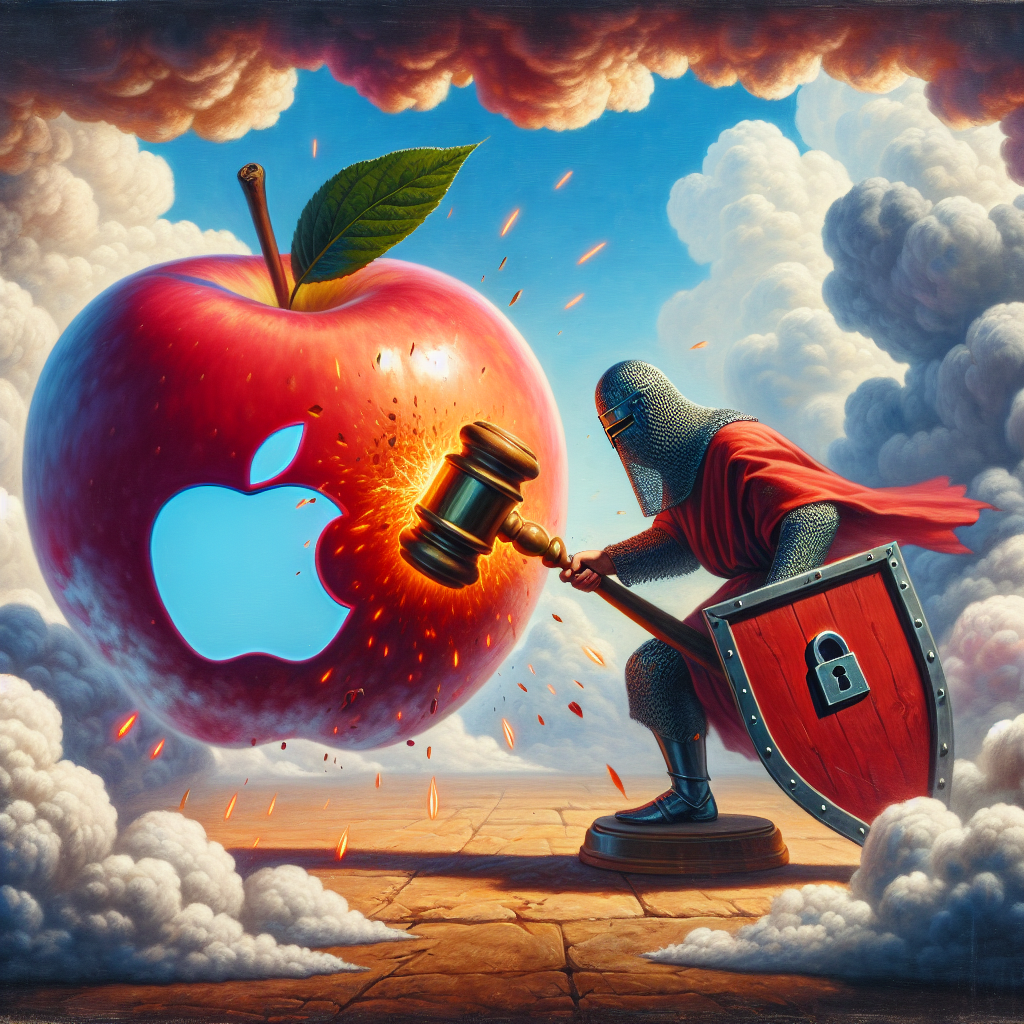
Apple Challenges the UK’s Controversial iCloud Encryption Backdoor Order
In the ever-evolving landscape of digital privacy, tech giants often find themselves at odds with governmental policies that seem to encroach upon the domain of user privacy and data protection. Apple’s ongoing battle with the U.K. government over its iCloud encryption policies exemplifies this global conflict between tech innovation and legislative control. As the U.K. requests an encryption backdoor for iCloud, Apple steps up to defend its strong stance on user privacy. But what does this entail, and why is it pivotal for both users and policymakers alike?
Understanding Apple’s Stance on Privacy
For years, Apple has prided itself on being a champion of user privacy. The iconic phrase, "What happens on your iPhone stays on your iPhone," underpins its branding and business model. As the company states, user privacy is not a product, but an ingrained principle. Thus, granting any government access to encrypted iCloud data undermines this fundamental belief.
The Core of the Encryption Debate
- Encryption 101: Encryption is the process of converting data into a code to prevent unauthorized access. Apple’s encryption model ensures that only users have the keys to access their personal data.
- The U.K.’s Request: The U.K. government has proposed that Apple should implement an encryption backdoor in iCloud, enabling authorities to access encrypted data for national security reasons.
Why is Apple Resisting?
- User Trust: A backdoor would undermine user trust, as it could expose data to hackers or other unauthorized parties.
- Universal Access Risks: Any backdoor created in the name of national security could potentially be abused or misused.
- Precedent Concerns: Granting such a request might set a precedent for other countries to demand similar access.
The U.K. Government’s Perspective
The U.K. government, like many others, emphasizes national security and crime prevention as primary reasons for requesting encryption backdoors. With increasing cybercriminal activities and terror threats, authorities argue that access to encrypted data could aid in preventing potential threats.
Arguments in Favor of Backdoors
- Combatting Crime: Access to encrypted information can assist law enforcement in addressing serious crimes.
- Child Safety: Authorities assert that monitoring encrypted communications can help prevent and solve cases related to child exploitation and abuse.
Counterarguments
- Slippery Slope: Critics worry that opening one backdoor will lead to demands for access across various platforms, weakening global data security.
- Technological Dependence: Constant demands for access could stall technological innovation.
The Global Implications
As Apple challenges the U.K.’s iCloud encryption backdoor order, it adds to the broader conversation about privacy, security, and tech sovereignty. This clash arguably points toward the future of global digital regulations.
International Responses
- U.S. & EU Standpoint: Proponents of strong encryption argue that even allies such as the U.S. and other EU countries face similar pressures but have not compromised on encryption standards.
- Privacy Advocates: Organizations worldwide rally behind Apple, stressing the importance of defending strong encryption to protect individual privacy.
How This Affects Users
Potential Consequences for Apple Users
If Apple is compelled to comply with the U.K.’s request, the implications could be far-reaching:
- User Awareness: Users might become more aware of the implications of using cloud services and demand greater transparency.
- Third-Party Apps: There might be a rise in third-party apps offering encrypted services without government-imposed backdoors.
Steps to Protect Personal Data
Users, irrespective of the judiciary outcome, should always remain proactive about their digital privacy:
- Two-factor Authentication: Enable this feature for an added layer of security.
- Regular Updates: Ensure that your devices have the latest security updates installed.
- Data Backups: Regularly back up data in multiple formats and locations.
Conclusion: A Privacy-Oriented Future?
The confrontation between Apple and the U.K. serves as a reminder of the intricate balance between privacy and security in today’s digital ecosystem. As this case unfolds, it will potentially dictate the direction of future legislation, not just in the U.K., but worldwide.
Ultimately, both entities aim to protect citizens, but the approach diverges when it comes to how that protection is achieved. Apple’s stance could act as a bulwark for user privacy, as tech companies continue to grapple with governmental demands. This ongoing saga beckons users to stay informed, ensuring their digital lives remain secure in an increasingly interconnected world.