
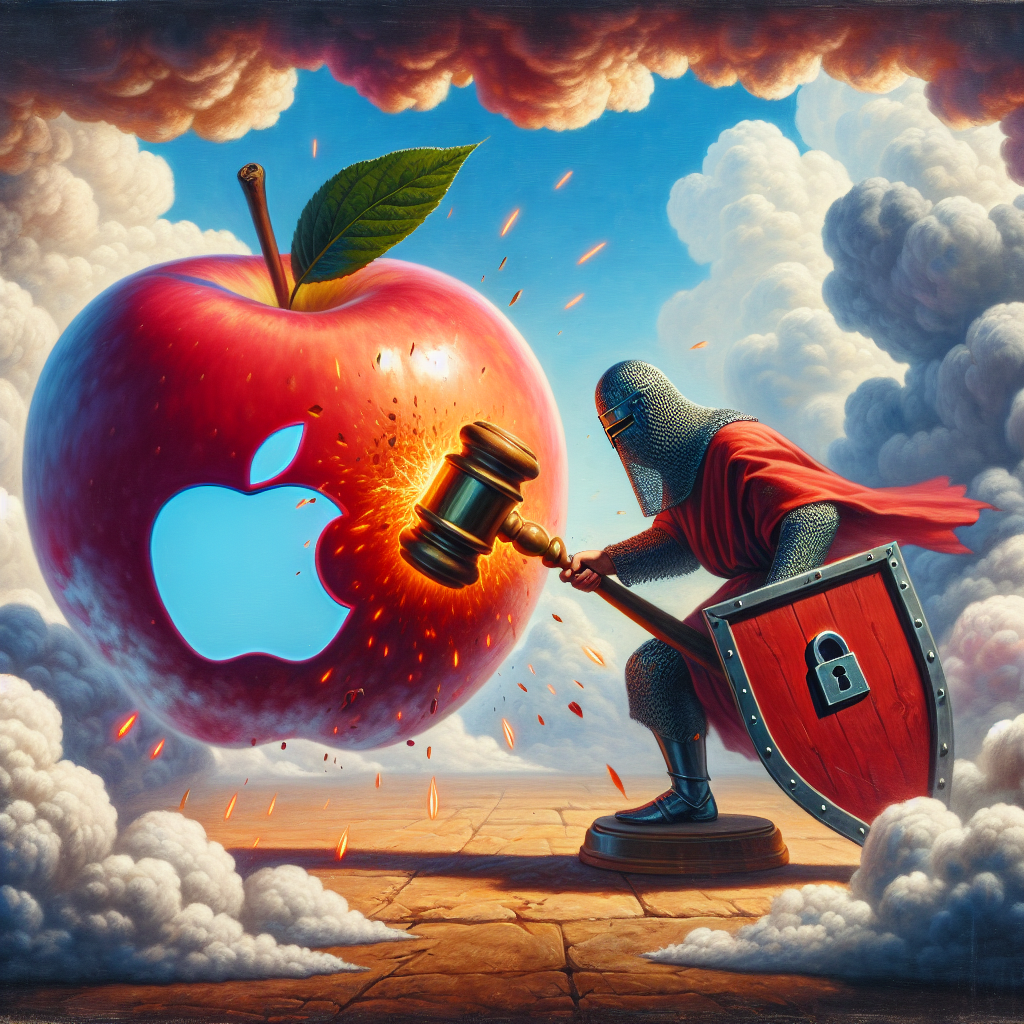
Apple’s Stand on Encryption: The Battle Over U.K.’s iCloud Backdoor Order
In the digital age, where data security and privacy have become top priorities for both tech companies and users, Apple’s stance on encryption has sparked yet another major conversation. Recently, news erupted that Apple is contesting the U.K.’s demand for a backdoor into its iCloud encryption. As governments around the world seek ways to access potentially critical data for security reasons, Apple’s resistance to such moves has become a defining aspect of its brand. Let’s delve deeper into this ongoing saga, taking a closer look at the implications, Apple’s arguments, and why this story matters to everyone using digital devices today.
The Context: U.K.’s Demand for a Backdoor
In recent years, the U.K. government has introduced legislation aimed at increasing its capability to access encrypted data for national security purposes. The Investigatory Powers Act, also known as the "Snooper’s Charter," is at the heart of this legislative push. Under this law, the U.K. government can compel tech companies to provide access to private user data, including encrypted information.
Why the Push for a Backdoor?
- National Security: Governments often argue that access to encrypted communications is essential to prevent terrorism and combat other forms of organized crime.
- Evolving Technology: With technological advancements, the police and intelligence services feel they are falling behind criminals who use encrypted channels to communicate.
- Precedent: Other countries, like the United States, have also been embroiled in similar debates with tech companies over encryption and data access.
Apple’s Stance on Encryption
Apple has consistently prioritized user security and privacy, emphasizing their commitment to protecting customer data with strong encryption techniques.
Core Arguments Against Backdoors
- User Trust and Privacy: Apple argues that creating a backdoor into its systems would undermine user trust and severely compromise privacy.
- Security Risks: A backdoor intended for government use could potentially be exploited by malicious actors, making devices vulnerable to cyberattacks.
- Global Impact: Implementing a backdoor for one country sets a dangerous precedent, potentially leading to demands from other governments.
Apple’s Security Ecosystem
Apple’s stance is supported by its comprehensive security ecosystem, which includes:
- End-to-end encryption for messages and calls.
- Strong encryption for iCloud backups.
- Regularly updated security patches and improvements.
The Legal and Ethical Implications
Legal Considerations
- Compliance vs. Resistance: Apple’s decision to challenge the U.K.’s order hinges upon its interpretation of laws both in the U.K. and the U.S., where different legal precedents might apply.
- Court Battles: Previous legal battles, such as the U.S. case involving the FBI and a locked iPhone in 2016, set important legal benchmarks.
Ethical Concerns
- Moral Responsibility: Apple argues that compromising encryption would make every user vulnerable, ultimately overriding any potential benefits in crime prevention.
- Digital Rights: Organizations advocating for digital privacy rights argue that strong encryption is a fundamental right in the modern digital era.
The Global Perspective
International Repercussions
- Setting a Precedent: If Apple were to comply, it might embolden other nations to demand similar access.
- Cross-Border Data Access: The digital world doesn’t abide by geographic boundaries, and this raises complex questions about jurisdictions and data sovereignty.
Cases from Other Countries
To illustrate the global nature of this issue, here are a few notable international cases:
- Australia: Enacted laws requiring tech firms to provide access to encrypted data.
- China: Demands local data storage and access under national security laws.
- India: Has expressed similar interest in breaching encrypted services for security reasons.
The Road Ahead: What to Expect
Apple’s resistance is unlikely to wane, even in the face of legal challenges. As this saga unfolds:
Potential Outcomes
- Legal Repercussions: Ongoing litigation or negotiation might lead to modifications in existing legislation.
- User Reactions: Apple’s resoluteness in protecting privacy is likely to bolster consumer support and loyalty.
- Industry Impact: Other tech companies are watching closely, as the outcome could affect broader industry practices and standards.
The Importance of Consumer Awareness
Consumers must stay informed about:
- The importance of encryption and its role in safeguarding personal data.
- The wider implications of policy changes on privacy and security.
Conclusion: The Balance Between Privacy and Security
Apple’s contention with the U.K. over iCloud encryption exemplifies the delicate balancing act between privacy rights and security needs. As technology evolves, so too will these debates. While some view government access as necessary, others argue that weakening encryption poses a greater threat. Whatever the future holds, Apple’s firm stance underscores a pivotal moment in digital history—a moment that will ultimately shape the future of privacy in the tech industry.
In conclusion, understanding these dynamics is essential for every digital citizen, as the outcomes will affect the very core of how we interact, communicate, and exist in an increasingly digital world. The fight for encryption is not just Apple’s; it’s a fight for digital integrity worldwide.
With this comprehensive exploration, we can see why Apple’s challenge is not just a corporate decision but a significant move with far-reaching implications. By being informed, we can better appreciate the complexities and importance of data privacy in our lives.