
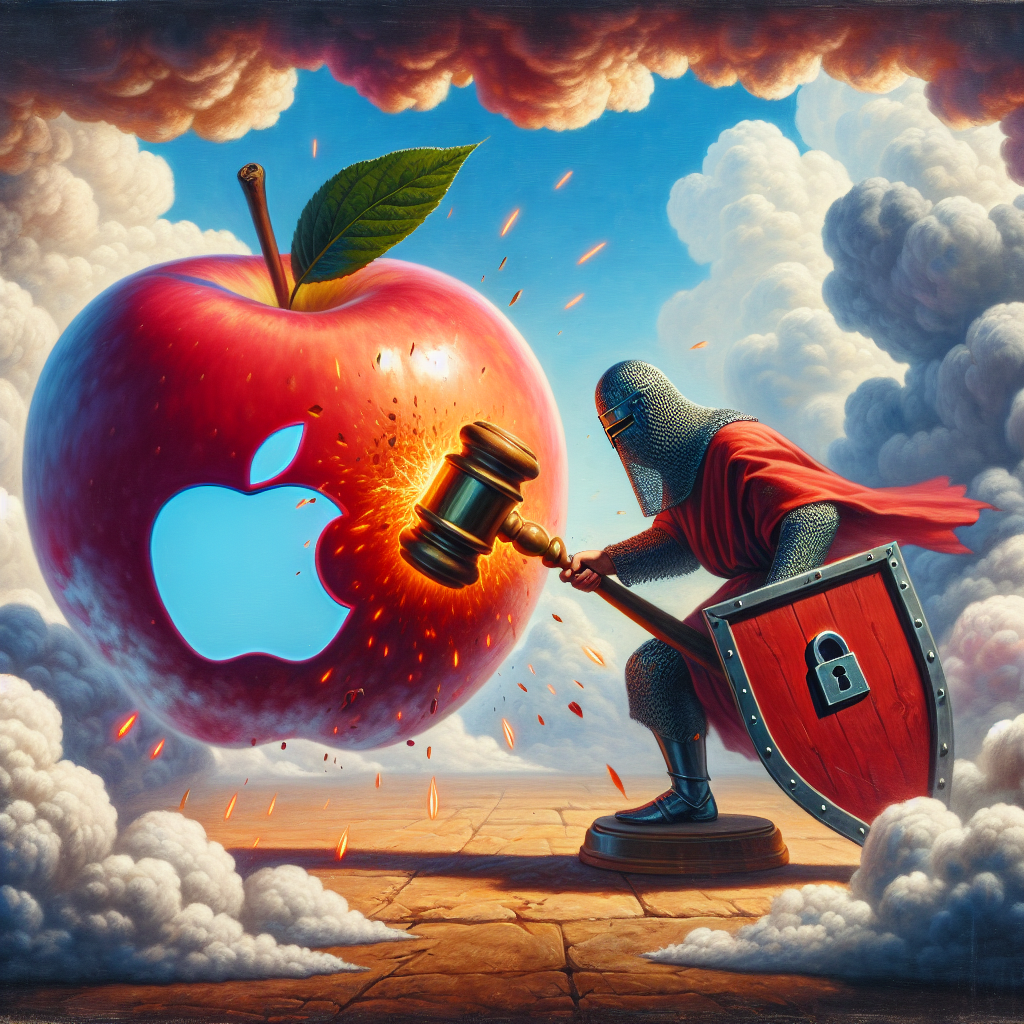
Apple vs. The U.K.: The Battle Over iCloud Encryption Backdoors
In the ever-evolving world of technology and data privacy, few battles have drawn as much attention as Apple’s recent standoff with the United Kingdom over the contentious issue of iCloud encryption backdoors. As governments worldwide grapple with growing concerns about national security and privacy rights, Apple’s firm stance against encryption backdoors has placed it directly in the spotlight. Why is Apple so resistant to the U.K.’s demands for iCloud encryption backdoors, and what does this mean for users worldwide? This article delves deep into the intricacies of this headline-grabbing standoff.
Understanding the Core Issue: What is an Encryption Backdoor?
Encryption is essential in maintaining the privacy and security of digital information. From personal photographs stored on iCloud to sensitive business documents, encryption safeguards user data against unauthorized access.
What is a Backdoor?
A backdoor, in the realm of encryption, is a secret method to bypass normal authentication or encryption. It provides access to a system, network, or encrypted data without it being apparent to users. While designed ostensibly to aid law enforcement agencies in fighting crime, backdoors can become a significant vulnerability if misused.
Why is Encryption Important?
In today’s digital age, encryption is the cornerstone of data security. For Apple, maintaining strong encryption means ensuring that customer data remains private and inaccessible to anyone without the proper credentials—including Apple itself.
- Data Privacy: Encryption protects personal and sensitive information against interception by hackers and other malicious actors.
- Trust: Maintaining the security of user data strengthens consumer trust, a value Apple consistently champions.
Apple’s Stance on User Privacy
From its inception, Apple has been a frontrunner in championing user privacy. Whether it’s their smart devices or cloud services like iCloud, Apple ensures robust protection measures are in place.
Apple’s Privacy Philosophy
Apple’s privacy philosophy can be encapsulated in several key commitments:
- User Data is Private: Apple designs its products so that much of the user’s data resides solely on their devices.
- Limited Data Collection: Apple ensures it only collects data necessary to improve user experiences. Information like browsing habits or location data is largely kept anonymous.
- End-to-End Encryption: This form of encryption ensures data is only accessible to those who possess the correct authentication credentials.
Why is Apple against creating backdoors? Opening a backdoor could lead to the potential misuse of user data, threatening the very trust Apple has built with its customers.
The U.K.’s Argument for an iCloud Encryption Backdoor
The U.K. government has consistently argued that encryption backdoors are necessary for national security. As digital communications continue to replace traditional methods, governments worldwide face the challenge of intercepting and preventing criminal activities like terrorism and organized crime.
National Safety vs. Personal Privacy
The U.K. government’s stance can be summarized with:
- Crime Prevention: Backdoors, they argue, would aid in tracking down notable criminals and intercepting unlawful activities.
- Emergency Responses: In situations like coordinated terror attacks, having immediate access to digital communications could potentially save lives.
While the intention is to prioritize citizen safety, the debate centers around if this approach will significantly undermine personal privacy and expand governmental surveillance powers unnecessarily.
Implications for Apple Users
What Happens if Apple Complies?
Compliance with the U.K.’s demands could set a precedent affecting users worldwide. Some potential impacts include:
- Decreased Trust: Users may feel their data is no longer private, causing many to reconsider using Apple services.
- Security Risks: Any created backdoor could potentially be exploited by malicious actors, threatening user security globally.
What if Apple Refuses?
On the other hand, if Apple stands firm:
- Legal Repercussions: Apple could face significant legal challenges or fines from the U.K. government.
- Market Dynamics: Refusing compliance might bolster Apple’s image as a stalwart of privacy rights, potentially attracting more privacy-conscious users.
The Global Perspective: Examining Similar Battles
Apple’s battle with the U.K. isn’t an isolated case:
International Cases
-
United States: Apple has had previous encounters with the U.S. government regarding iPhone access during criminal investigations—notably after the 2015 San Bernardino shooting.
- European Union: European lawmakers frequently push for digital privacy, but face security concerns as global incidents rise.
What These Cases Indicate
These international episodes highlight the delicate balancing act between protecting individual rights and ensuring societal safety. The global community continues to watch closely as this debate unfolds, waiting to see which direction future legislation might take.
The Future of Data Privacy and Security
With technology advancing at an incredible rate, debates about encryption and data privacy will only intensify. The outcome of Apple’s standoff with the U.K. could pave the way for future discussions globally.
Key Takeaways
- The balance between security and privacy is fragile; losing one significantly affects societal trust.
- Companies like Apple are vital in shaping public policy concerning digital privacy.
In Conclusion, the fight over encryption backdoors is about more than just technology—it’s about the rights of individuals in a digital age. Where Apple’s resistance against the U.K.’s order will lead remains to be seen, but what’s certain is the enhancing need to navigate this brave new world carefully.
Whether you are a tech enthusiast or someone merely curious about their online privacy, understanding these ongoing battles is crucial for conceiving our digital lives in the years to come.