
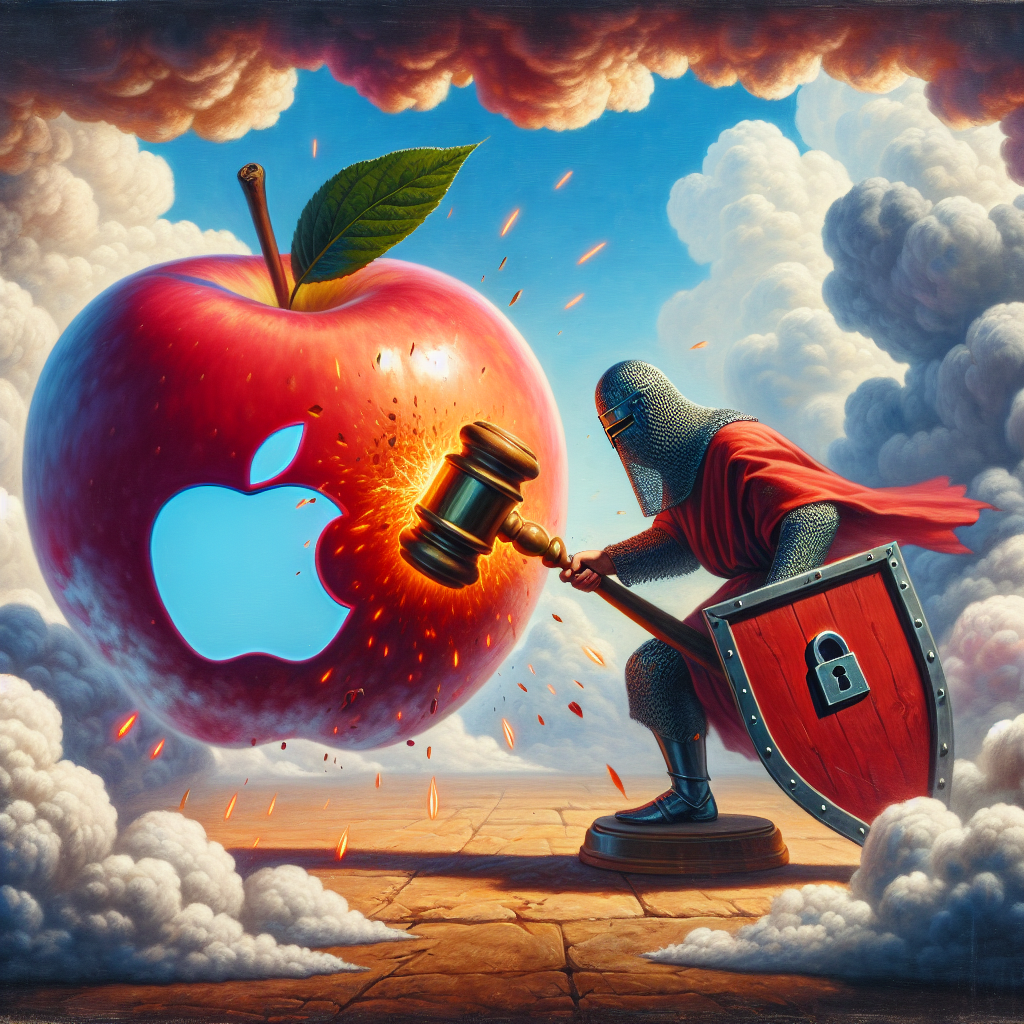
Apple Stands Firm: Challenging the UK’s iCloud Encryption Backdoor Order
In a digital age where data privacy is paramount, Apple’s decision to challenge the UK’s order for an iCloud encryption backdoor is making waves across the tech industry. Known for its staunch support of user privacy, Apple’s move to contest this order highlights the growing conflict between government authorities’ need for surveillance and private companies’ mission to protect user data.
Introduction
Amidst rising concerns around cyber threats and privacy breaches, governments worldwide have been pushing tech companies to provide backdoors for encrypted data access. The UK’s latest request for Apple to implement such a backdoor in its iCloud encryption service has stirred considerable controversy. Apple’s defiance is not just a strategic stance but a significant statement on the importance of safeguarding user data against potential misuse.
In this comprehensive article, we’ll delve deep into the implications of the UK government’s directive, Apple’s response, and the broader conversation around data privacy and security. Read on to explore why encryption backdoors remain a contentious issue and what Apple’s challenge could signify for the future of digital privacy.
The UK Government’s Stance on iCloud Encryption Backdoor
Understanding the Need for Government Surveillance
In an interconnected world, where both individuals and organizations face threats from cybercrimes, terrorism, and other illegal activities, governments assert the necessity for certain surveillance capabilities.
- National Security: The primary argument is that backdoor access allows for better monitoring and prevention of crimes, potentially thwarting threats before they materialize.
- Law Enforcement: Backdoors can aid in conducting swift investigations by gaining access to critical data that may otherwise be inaccessible due to encryption.
The UK’s Legislation: Investigatory Powers Act
The UK’s Investigatory Powers Act, often dubbed the “Snooper’s Charter,” demands that technology companies provide access to encrypted communications. It’s designed to ensure intelligence and law enforcement agencies can access necessary data when warranted.
- Privacy Concerns: Critics argue that the act undermines citizens’ privacy rights, paving the way for mass surveillance.
- Backdoor Obligation: Under this law, companies may be compelled to build and implement backdoors into their encrypted systems.
Apple’s Commitment to User Privacy
Apple’s Privacy Policy
Apple has long established itself as a defender of user privacy, prioritizing encryption and secure data practices across all its products and services. Noteworthy aspects of Apple’s commitment include:
- End-to-End Encryption: Ensures that only the sender and receiver have access to the data.
- Minimal Data Collection: Apple collects the least amount of data necessary to provide its services efficiently.
- Data Anonymization: Even when data is collected, Apple works to anonymize it to prevent user identification.
Previous Battles : The US Case Study
This isn’t the first time Apple has confronted governmental demands for backdoor access. The most notable instance occurred in 2016 when the FBI requested backdoor access for an iPhone involved in the San Bernardino case. Apple’s refusal was marked by:
- Legal Disputes: Engaging in a legal face-off that questioned the balance between privacy and security.
- Public Support: Receiving widespread backing from privacy advocates and other tech companies endorsing robust encryption.
Implications of Implementing Encryption Backdoors
Technical Concerns
- Vulnerability Risks: Building backdoors can inadvertently introduce vulnerabilities accessible to malicious attackers.
- Compromised Security: If backdoors fall into the wrong hands, it could jeopardize the security of millions of users globally.
Trust Erosion
- User Trust: Users rely on encrypted services with the expectation that their data remains private. Backdoors could diminish this trust.
- Brand Impact: For companies like Apple, maintaining a reputation for security is crucial, and compliance with such orders could damage brand perception.
The Global Debate on Encryption and Privacy
Encryption as a Privacy Tool
Encryption is pivotal in maintaining data confidentiality in today’s digital economy. It’s employed in:
- Messaging Platforms: Apps like WhatsApp and Signal prioritize end-to-end encryption to ensure only the communicants can read messages.
- Financial Transactions: Encryption secures sensitive data during online banking and financial transactions.
The Balance Between Privacy and Security
Globally, the debate around encryption revolves around finding a viable balance between enabling security agencies to conduct investigations and upholding individual privacy rights.
- Legislative Actions: Different countries are drafting laws that either support or restrict strong encryption usage, impacting how tech companies operate across borders.
- Public Opinion: While some advocate for more robust law enforcement capabilities, others demand stringent privacy protections against unwarranted surveillance.
The Road Ahead: What Apple’s Challenge Signifies
Potential Outcomes
Apple’s defiance of the UK order has several possible outcomes, ranging from legal battles to potential policy shifts. Noteworthy prospects include:
- Legal Precedents: A victory for Apple could set new legal benchmarks for privacy and tech companies’ obligations.
- Policy Reformation: Persistent resistance from tech giants may spur governments to reconsider and potentially reform existing surveillance laws.
Broader Implications for Tech Industry
This conflict underscores a broader struggle facing tech companies worldwide. The resolution of such tensions will likely shape the evolving narrative of digital privacy versus state security and could influence:
- Industry Standards: Setting protocols for how tech companies handle government data requests.
- Innovation in Encryption: Encouraging the development of more advanced encryption technologies to secure user data while addressing security concerns.
Conclusion
Apple’s challenge to the UK’s iCloud encryption backdoor order is more than just a legal and political maneuver; it embodies the perennial tussle between privacy and security. As Apple holds its ground, the tech industry and governments alike are watching closely. This case could alter the landscape of digital security and privacy rights, making it a landmark event in the ongoing dialogue about how best to protect both citizens and societies in a rapidly digitalizing world.
As discussions around this issue continue to unfold, one thing remains clear: the fight for privacy in the digital realm is far from over. Apple’s stance underscores its role as a privacy advocate, ensuring that user data remains inviolate even amidst pressures from the corridors of power.