
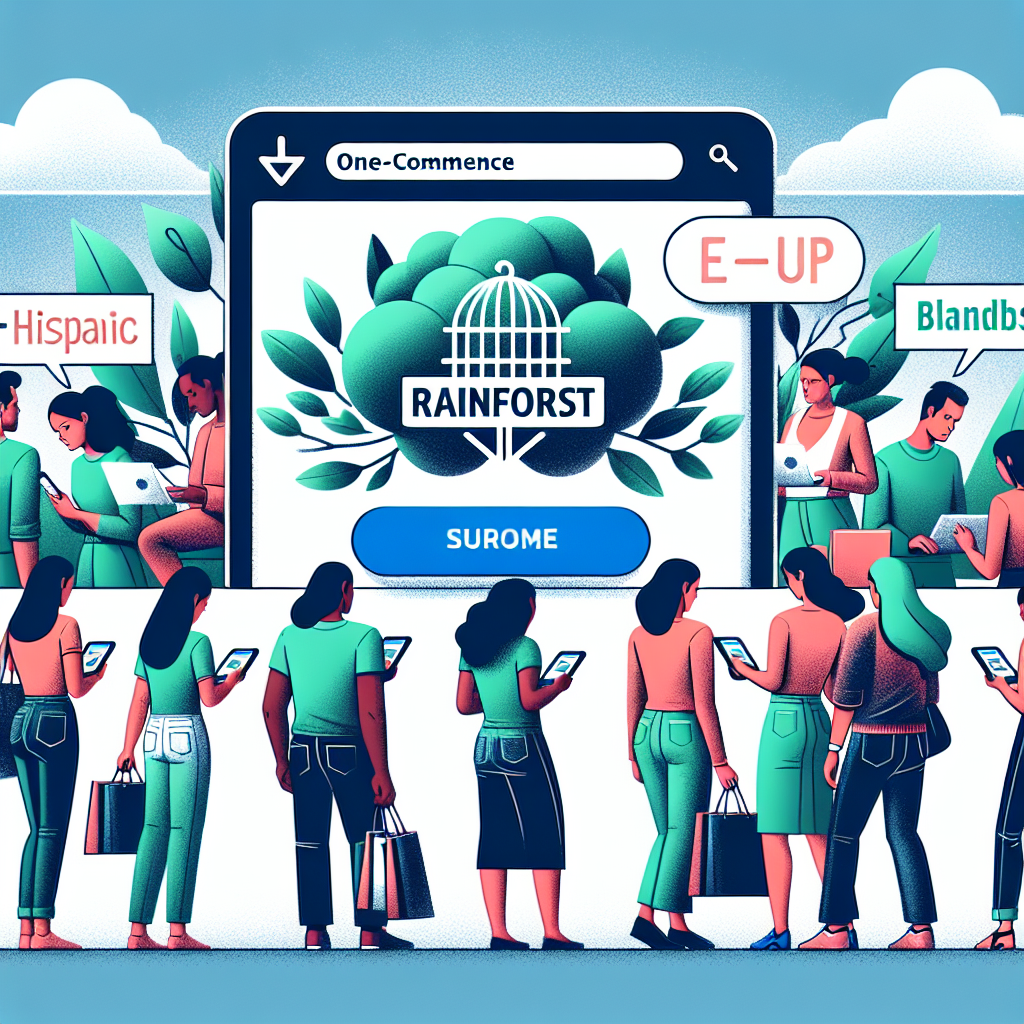
Amazon’s New Strategy: Redirecting Customers to Brand Websites for Out-of-Stock Items
In a strategic move that’s catching the attention of both consumers and brands alike, Amazon is testing a new feature that redirects customers to brand websites when certain products are out of stock. This initiative represents a significant shift in Amazon’s approach to inventory management and could reshape how online shoppers interact with brands. As we dive into the details of this development, let’s explore what this means for shoppers, brands, and the online retail landscape.
Understanding Amazon’s Approach to Customer Redirection
Amazon, the e-commerce giant, has long been the go-to platform for millions of online shoppers. Its vast product range and widespread distribution capabilities make it a trusted source for everything from everyday essentials to luxury items. However, with this new feature, Amazon is experimenting with redirecting potential buyers directly to brand-owned websites when it doesn’t have certain products in stock.
Why is Amazon Testing This Feature?
Several strategic reasons could be behind this move:
- Enhancing Customer Experience: By redirecting customers to the brand’s site, Amazon ensures that shoppers can still purchase desired products directly, even if they are unavailable on Amazon. This minimizes customer frustration and potential loss of sales.
- Strengthening Brand Partnerships: Facilitating direct brand engagement allows brands to manage customer relationships more closely, selling their products directly while still partnering with Amazon.
- Cost Management: By not having to stock certain niche or low-volume products, Amazon can reduce its warehousing and logistical expenses.
- Market Experimentation: This could be a way for Amazon to test market dynamics and customer preferences regarding shopping directly through brands versus its platform.
Implications for Brands
Redirecting traffic directly to brand websites can have several implications:
Direct Engagement with Shoppers
Brands gain an opportunity to engage more deeply with their audience:
- Control Over Customer Experience: Brands can offer personalized experiences, exclusive offers, and detailed product information that might not be feasible on Amazon’s platform.
- Data Collection: Brands directly engaging with consumers can gather invaluable data about shopping habits and preferences which can inform future marketing and product development decisions.
Challenges for Brands
While the benefits are substantial, there are some challenges:
- Website Readiness: Not all brands have the infrastructure in place to handle increased direct sales volumes. Websites must be user-friendly, secure, and capable of handling spikes in traffic.
- Shipping and Returns: Brands must handle logistics such as shipping and returns, areas where Amazon excels due to its vast experience.
- Customer Service: Brands will need to provide high-quality customer service, a feature Amazon customers have come to expect.
Implications for Consumers
For consumers, this testing phase introduces a few changes:
Advantages
- Access to Exclusive Products: When purchasing directly from brands, consumers may find exclusive products or special promotions that are not available on Amazon.
- Potential for Better Prices: Brands might offer better deals or bundle offers directly on their websites.
Disadvantages
- Fragmented Purchasing Experience: Shoppers used to the simplicity of purchasing everything on Amazon may find it inconvenient to switch between different brand sites.
- Shipping and Handling Variability: Shipping times, costs, and return policies may vary significantly from brand to brand, leading to potential inconsistencies in the shopping experience.
How This Initiative Fits into Amazon’s Broader Strategy
Amazon’s test aligns with its continued exploration into balancing direct sales with partnerships:
Diversification of Sales Channels
By allowing brands more control over their e-commerce operations, Amazon could be positioning itself as a more flexible and brand-friendly platform.
Focus on Core Products
Redirecting customers could free Amazon to focus more on high-volume products and streamline its offerings, potentially enhancing its existing inventory and delivery services.
Future of E-Commerce
This move could signal a shift in how retail giants like Amazon interact with brands, possibly setting a precedent for other e-commerce platforms to follow.
Conclusion
Amazon’s decision to test redirects to brand websites when products are out of stock marks a significant development in the e-commerce landscape. It represents an exciting opportunity for brands to engage directly with consumers and for Amazon to build a more diversified and cost-effective business model. However, the success of this initiative will largely depend on how well both Amazon and the participating brands manage the associated challenges.
For now, as this experiment unfolds, it will be intriguing to observe its impact on consumer behavior, brand operations, and the broader online retail environment. As always, understanding the dynamics of such strategic shifts can empower consumers, brands, and industry professionals to make informed decisions in the evolving world of e-commerce. Stay tuned for more updates as this initiative progresses and reshapes online shopping experiences globally!