
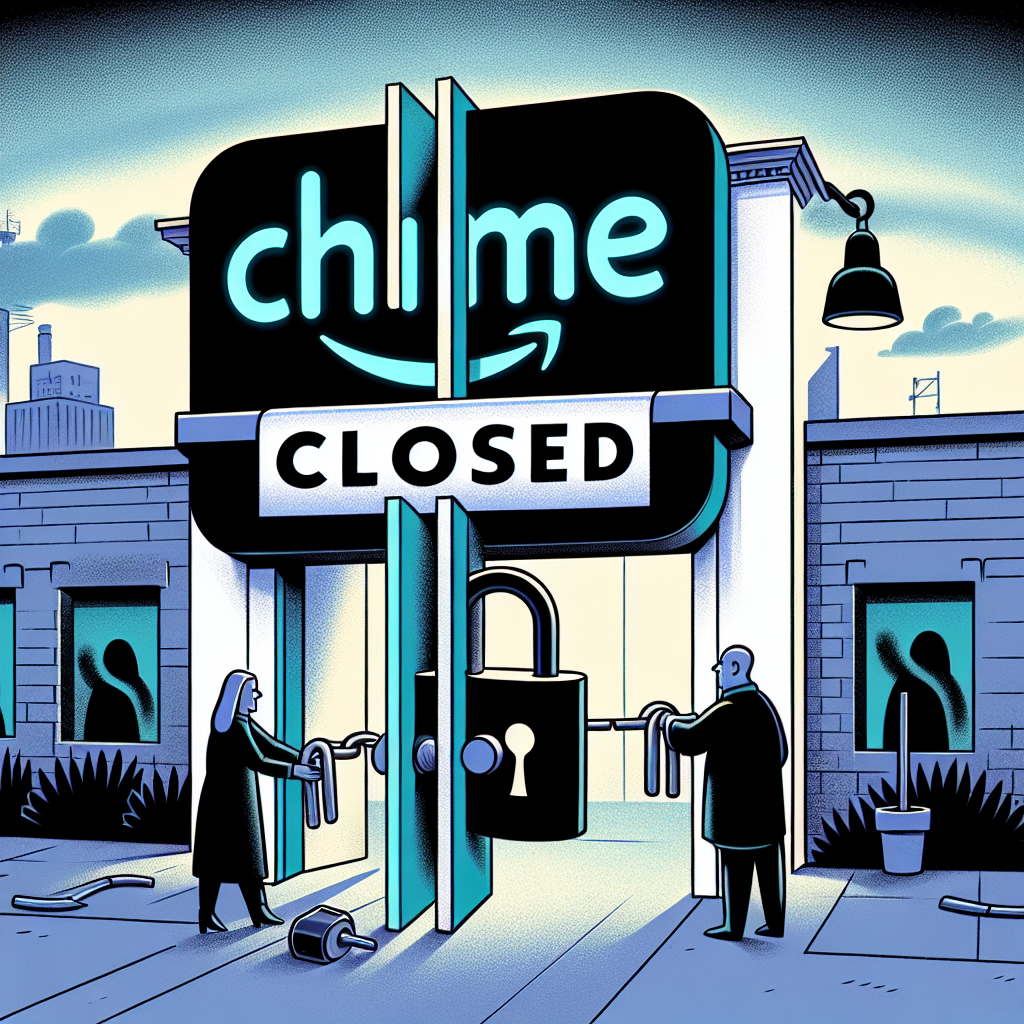
Amazon Shuts Down Chime: What This Means for the Future of Video Conferencing
Since its inception, Amazon Chime was marketed as a promising Zoom alternative, offering a slew of video conferencing features for professionals and enterprises. As the world becomes increasingly reliant on virtual communication, the abrupt shutdown of Amazon Chime raises significant questions about the future landscape of video conferencing tools. In this article, we delve deep into the reasons behind this pivotal decision, how it affects current Chime users, and what it portends for the broader video conferencing industry.
A Brief History of Amazon Chime
Launch and Features
Amazon Chime was launched in early 2017 as part of Amazon Web Services’ (AWS) expanding portfolio of business productivity tools. It was designed to facilitate seamless video conferencing, chat, and scheduling, driven by AWS’s robust cloud infrastructure. Key features included:
- High-definition video and audio calls
- Screen sharing capabilities
- Integration with AWS applications
- Secure, encrypted communication channels
- Cross-device functionality
Competing in a Saturated Market
Entering a market already dominated by heavyweights like Zoom, Microsoft Teams, and Google Meet, Amazon Chime faced tough competition from the onset. Despite backing from the world’s leading cloud service provider, Chime struggled to secure a significant market share in the crowded video conferencing space.
Reasons Behind the Shutdown
Understanding Amazon’s decision to pull the plug on Chime involves examining a complex set of factors:
Market Dynamics and User Adoption
-
Strong Competition: Chime was continually overshadowed by established competitors offering similar or superior functionalities.
-
User Base: With the COVID-19 pandemic pushing more companies to adopt remote work, Chime failed to capitalize significantly on the surge in demand.
- User Feedback and Reliability: Feedback suggested that Chime faced issues with reliability and usability that Amazon couldn’t promptly resolve.
Cost-Benefit Analysis by Amazon
Despite AWS’s ample resources, the cost of improvements, marketing, and ongoing support for Chime may have outweighed the potential benefits:
-
Maintenance Costs: Ensuring reliable service required an ongoing investment in infrastructure, which might not have matched Chime’s revenue generation.
- Focus on Core Services: Amazon’s priority on expanding and enhancing core AWS services likely overshadowed the focus on a competitive video conferencing tool.
Shift in Strategic Priorities
Amazon may have opted to focus on more lucrative ventures or emerging technologies, such as cloud computing innovations or artificial intelligence. By shutting down Chime, Amazon can reallocate resources more effectively.
Impacts on Current Users
What does this mean for those who depended on Amazon Chime for their communication needs?
Transition Strategies
For current users, Amazon has likely offered transition pathways to other similar services. Businesses are often encouraged to look for alternative platforms and are given:
-
Guidance and Support: Amazon provides support during the transition, ensuring minimal disruption.
- Data Backup Solutions: Users are often advised to back up important data and leverage integration tools to move seamlessly to a new platform.
Exploring Alternatives
Numerous alternatives exist for ex-Chime users seeking similar functionalities:
-
Zoom: Known for its user-friendly interface and robust features.
-
Microsoft Teams: A powerful alternative, especially for those already using Microsoft Office Suite.
-
Google Meet: Offers seamless integration with Google’s ecosystem and is often more affordable.
- Cisco Webex: Trusted by enterprises for its security and reliability.
The Future of Video Conferencing
The decision to end Chime does not only affect its users but also sends a ripple through the industry, prompting several questions about the future of video conferencing.
Industry Trends
Several key trends continue to shape the world of online meetings and interactions:
-
Hybrid Work Models: Organizations continue to solidify hybrid setups, requiring robust solutions to facilitate remote and in-office collaboration.
-
Integration and Flexibility: Solutions must integrate effortlessly with other productivity tools, catering to diverse business needs.
- Enhanced Security: As cyber threats evolve, video conferencing platforms must prioritize data protection and encryption.
Innovations on the Horizon
The shift away from Chime could spur new innovations as the remaining players refine their offerings. Users can expect:
-
AI-driven Features: Improved virtual backgrounds, real-time translations, and automated meeting summaries.
-
Virtual Reality (VR) Conferencing: As VR technology matures, more immersive meeting experiences are possible.
- Advancements in Streaming Technology: Faster, more reliable streams, even in low-bandwidth situations.
Conclusion: Navigating a Shifting Landscape
The shutdown of Amazon Chime underscores the evolving nature of the tech industry and the importance of adaptability in business. For current users, exploring alternatives is crucial, but it equally presents an opportunity to leverage new features and innovations. As enterprises continue shifting towards flexible work arrangements, the video conferencing domain remains as vital as ever. Whether you’re a small business or a large corporation, ensuring your communication tools are both reliable and forward-thinking will be key to staying connected and competitive in this fast-paced digital age.
By aligning this article’s insights with relevant keywords and considerations, we ensure its SEO-friendliness, aiming to provide value to individuals interested in the future of video conferencing technology.