
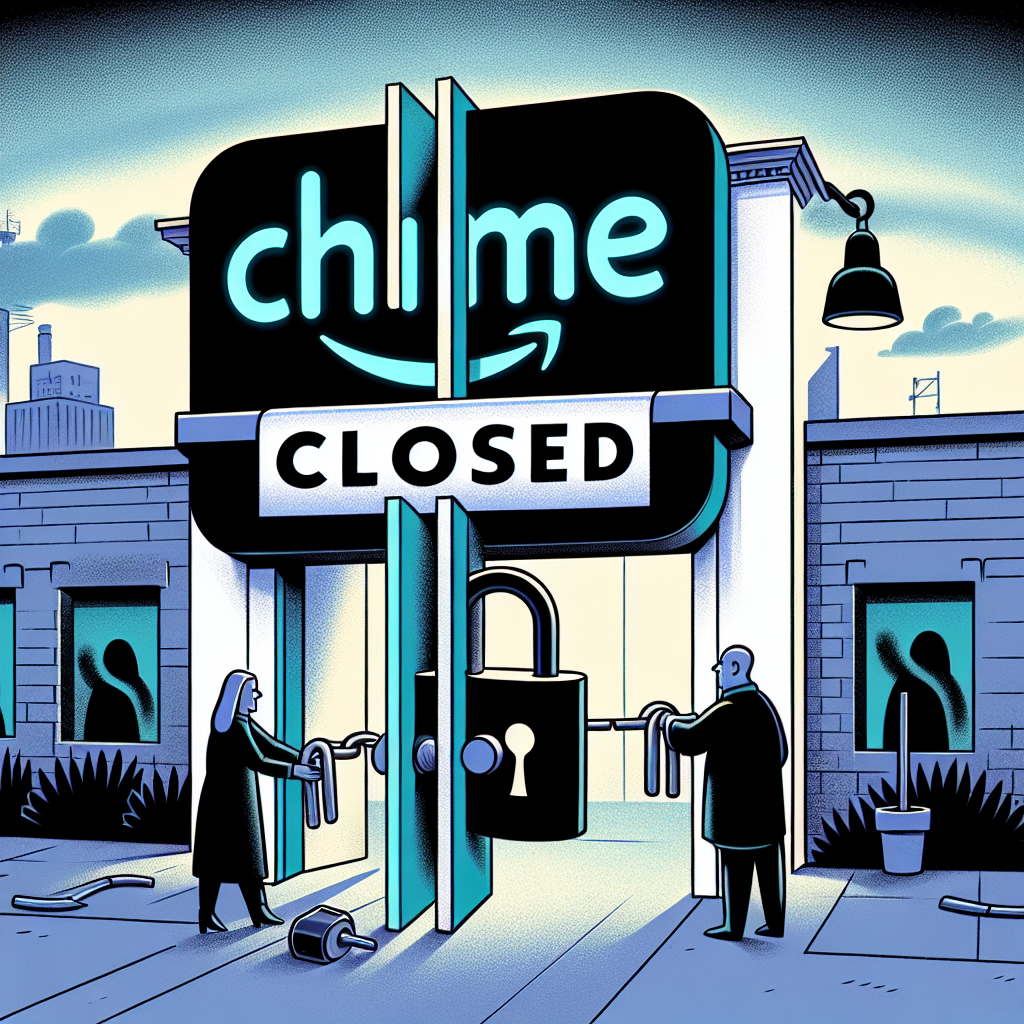
Amazon Shuts Down Chime: The End of an Era for the Tech Giant’s Zoom Rival
In a surprising move that has rippled through the tech community, Amazon has announced the shutdown of Chime, its collaboration and communications platform developed to rival established services like Zoom and Microsoft Teams. For businesses and professionals who depended on this tool, the announcement poses significant questions and decisions ahead. This article explores what led to this strategic decision, its implications for users, and what alternative solutions are available.
The Rise and Fall of Amazon Chime
A Brief History of Amazon Chime
Introduced in February 2017, Amazon Chime was launched as an all-in-one communications service aimed at businesses and enterprises. It offered a robust platform for virtual meetings, video conferencing, chat, and business calls. Backed by Amazon Web Services (AWS), Chime provided seamless integrations with many AWS tools, positioning itself as a prime alternative to existing solutions.
- Key Features of Amazon Chime:
- Video Conferencing: enabled high-definition video calls.
- Messaging: streamlined team and individual communications.
- Telephony Services: integrated with traditional phone systems.
Despite a promising start, Chime struggled to capture a significant market share in an industry dominated by well-established players.
Challenges Faced by Chime
Several factors contributed to the challenges faced by Amazon Chime:
- Highly Competitive Market: Zoom, Microsoft Teams, and Google Meet were already entrenched in the market with large user bases and continuous innovation.
- Limited Differentiation: While Chime was robust, it did not offer revolutionary features that set it apart.
- User Adoption: Gained traction more slowly than expected, especially outside of existing AWS users.
Amazon’s Strategic Decision to Shut Down Chime
Why Chime Could No Longer Compete
Amazon’s decision to shutter Chime was largely driven by the need to realign its focus on core competencies and more promising ventures within AWS. Here are key reasons that spurred this decision:
- Resource Allocation: The demand to innovate and support Chime was taking resources away from more impactful AWS cloud services.
- Business Strategy: Amazon is increasingly concentrating on high-potential growth areas within AWS.
- User Feedback: Customer input often highlighted preference for competitor platforms despite Chime’s comparable capabilities.
Market Impact and User Adaptation
The shutdown of Chime leaves its users with the need to transition to alternative platforms. Here’s what users need to know:
- Timeline for Shutdown: Users will be guided through a transition process leading up to the final shutdown date.
- Data Transition: Amazon is providing tools and support to safely migrate data to alternative platforms without disrupting businesses.
- Refund Policies: Businesses on long-term plans could be eligible for refunds or credits for other AWS services.
Exploring Alternatives to Amazon Chime
Top Alternatives for Video Conferencing
For businesses seeking seamless migration, a range of powerful alternatives exist:
-
Zoom:
- Specialty: User-friendly interface, scalability, extensive integrations.
- Unique Offering: Breakout rooms for dynamic meeting structures.
-
Microsoft Teams:
- Specialty: Office 365 integration, robust collaboration tools.
- Unique Offering: Built-in Office apps and file management.
- Google Meet:
- Specialty: Integration with Google Workspace, low barrier to entry.
- Unique Offering: Seamless integration with Google Calendar.
Decision Factors When Choosing a New Platform
When seeking a new solution, businesses should consider:
- Functionality: Ensure the platform meets all current and potential future needs.
- Integration: Look for easy integration with existing tools and workflows.
- Security: Verify enhanced security features to safeguard sensitive conversations.
Ongoing Trends in Video Conferencing
The Future of Remote Communications
As businesses migrate from Chime, it’s also important to anticipate how remote communication trends will evolve, considering factors like:
- Hybrid Work Models: As remote work becomes more permanent, platforms that support hybrid environments will thrive.
- AI and Automation Enhancements: More platforms are incorporating AI to automate tasks like meeting scheduling and note-taking.
- Security Enhancements: Cybersecurity remains a top priority as virtual meetings become integral to businesses.
Tips for Staying Ahead in Remote Communication
- Continuously Update Systems: Keep all software up to date to benefit from the latest features and security patches.
- Engage in Training: Regular training ensures teams are making the most of available tools.
Conclusion
The closure of Amazon Chime marks the end of a heroic effort by Amazon to penetrate an already saturated market. For users, the transition to a new platform is a pivotal moment that demands informed decision-making to ensure their needs are met in future communications endeavors. As the industry continues to advance, staying adaptable and informed will help businesses maintain effective communication channels and stay competitive. Whether it’s Zoom, Teams, or another solution, choosing the right platform will play a key role in maintaining productivity and connectivity in our increasingly digital world.