
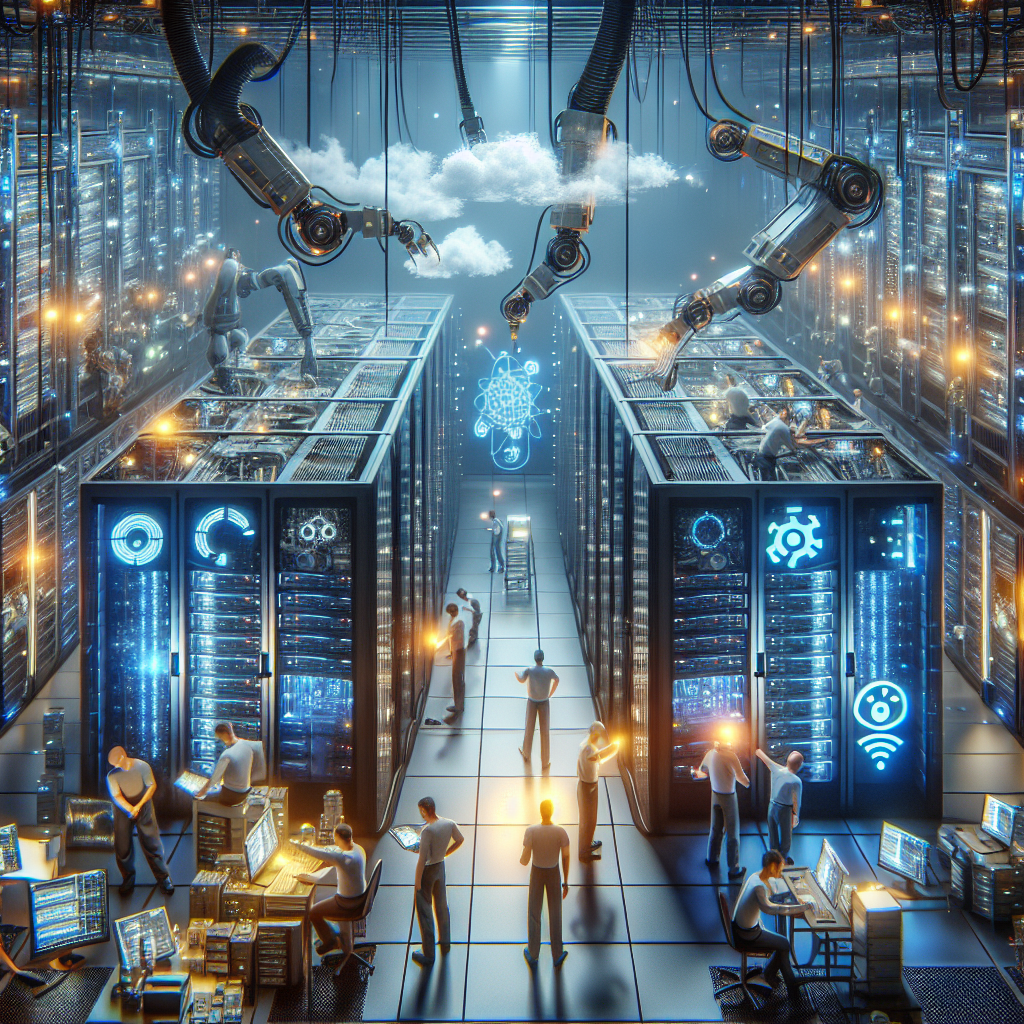
Unlocking the Power: How Data Center Tweaks Could Release 76 GW of New Capacity in the U.S.
In the digital age, where data is king, its treasure troves are stored, processed, and managed in data centers scattered across the globe. These operation hubs are crucial, yet energy-hungry, entities that play a pivotal role in our tech-driven world. As the demand for data expands exponentially, data centers account for an increasingly significant portion of the global energy consumption. Recent studies suggest that with specific tweaks and optimizations, data centers in the United States could unlock a staggering 76 gigawatts (GW) of new power capacity. This revelation has profound implications not only for energy efficiency and sustainability but also for the digital future.
In this article, we’ll delve deep into understanding how these tweaks could bring a paradigm shift in energy use, economic opportunities, and environmental stewardship.
Understanding the Current Landscape of Data Centers
What is a Data Center?
A data center is a dedicated facility that organizations use to house their critical applications and data. It’s the backbone of internet services, cloud computing, and digital applications we use daily. Typically, a data center consists of:
- Servers: Computers that store and process data.
- Storage systems: Devices that hold data.
- Networking equipment: Routers, switches, and cabling that connect everything.
- Infrastructure: Includes cooling systems, power supplies, and physical security systems.
Energy Consumption of Data Centers
Data centers are notorious for their high energy consumption:
- U.S. Data Center Energy Usage: As of now, data centers in the United States consume about 70 billion kWh annually, amounting to about 2% of the country’s total electricity use.
- Global Perspective: Globally, data centers consume more than 200 terawatt-hours (TWh) annually, almost 1% of worldwide electricity use.
Why Reduce Energy Consumption in Data Centers?
- Cost Reduction: Reducing energy use means lowering operational costs.
- Environmental Impact: Less energy consumption leads to a reduction in carbon footprint.
- Sustainability Goals: Aligning with global sustainability targets.
- Resource Optimization: Maximizes existing capacity without the need for new infrastructure.
Potential Tweaks to Unlock New Power Capacity
Advanced Cooling Systems
One of the primary reasons data centers consume so much power is cooling. Servers and other equipment generate a large amount of heat and efficient cooling systems are paramount.
- Liquid Cooling: Unlike traditional air cooling, liquid cooling uses a fluid to remove heat, which is more effective and involves less energy.
- Free Air Cooling: Utilizes external air when conditions allow, reducing reliance on energy-heavy mechanical cooling.
Server Utilization Optimization
Often servers run at very low utilization levels, leading to unnecessary energy consumption.
- Server Virtualization: Involves creating virtual versions of servers, optimizing server use, decreasing energy consumption, and reducing the need for additional hardware.
- Dynamic Power Scaling: Adjusts power use based on server demand, automatically scaling down energy consumption during low-use periods.
Implementing Artificial Intelligence (AI)
AI in data centers enhances operational efficiency and optimization.
- Predictive Analytics: AI can predict energy demand and optimize usage patterns, reducing energy waste.
- Automated Control Systems: Enable automatic adjustments in lighting, cooling, and resource allocation in real-time.
Renewable Energy Integration
Data centers can incorporate more renewable energy sources to power their operations.
- Solar Power: Installing solar panels to leverage abundant sunlight.
- Wind Energy: Utilizing wind farms as a renewable source of electricity.
- Battery Storage Systems: Helps in storing excess renewable energy for use during peak demand.
The Economic and Environmental Impact
Economic Benefits
- Cost Savings: Reducing energy bills through efficient resource usage.
- Investment in Technology: Advances in data center technology create opportunities for investment and growth.
- Job Creation: The transition to greener technologies and efficient data centers generates new jobs in tech and environmental sectors.
Environmental Advantages
- Reduced Carbon Emissions: More efficient energy use in data centers directly translates into fewer emissions.
- Sustainable Growth: Encouraging businesses to adopt greener practices.
- Conservation of Resources: Less reliance on fossil fuels, driving the transition towards a cleaner energy economy.
Challenges and Considerations
While the prospects are promising, several challenges must be addressed:
Financial Constraints
- Initial Investment: Transitioning to energy-efficient systems can require significant upfront costs.
- Budget Allocation: Striking a balance between operational expenses and energy investments.
Technological Integration
- Legacy Systems: Adapting existing infrastructure to new technologies presents technical hurdles.
- Interoperability Issues: Ensuring new and old systems work seamlessly together.
Policy and Regulation
- Regulatory Compliance: Navigating the complexities of energy laws and environmental regulations.
- Incentive Programs: Availability of government incentives to support the transition.
Towards a More Sustainable Digital Future
Unlocking 76 GW of new power capacity from U.S. data centers through these meaningful tweaks offers a vast potential not just in terms of power efficiency but also for economic growth and an eco-conscious society. Moving forward, it is essential for data center operators, tech companies, and policymakers to collaborate and invest in these innovative solutions.
By embracing change, focusing on cutting-edge technologies, and making informed decisions, we can ensure data centers will not only support digital growth but also enhance our environmental commitment. Let’s unlock the power, optimize our technological prowess, and pave the way to a more sustainable future.