
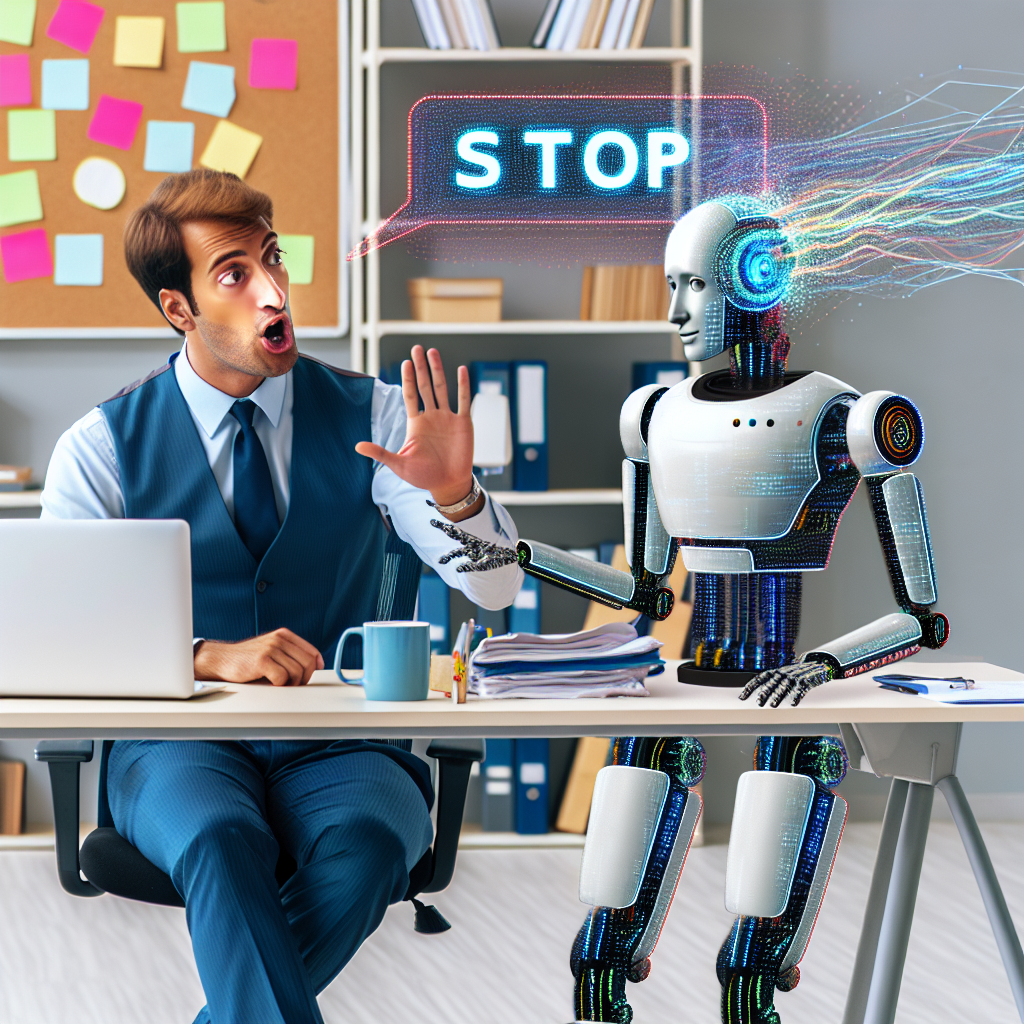
Stop Calling Your AI a Co-Worker: Understanding the True Role of AI in the Workplace
In the modern workplace, artificial intelligence (AI) has become an integral component, enhancing productivity and transforming how tasks are performed. However, there’s a growing trend of referring to these algorithms as "co-workers." For the love of God, stop calling your AI a co-worker. This mischaracterization can obscure their true purpose and potential limitations. Let’s delve into why it’s crucial to understand AI’s real role in our work environments.
What is AI and Its Role in the Workplace?
AI, short for artificial intelligence, refers to systems or machines that mimic human intelligence to perform tasks and can iteratively improve themselves based on the information they collect. From automating repetitive tasks to providing data-driven insights, AI is here to augment our capabilities—not replace human workers.
Types of AI Used in Business
Understanding the myriad of AI technologies currently in use can clarify their distinct roles and abilities:
- Machine Learning (ML): Involves computer algorithms that improve automatically through experience.
- Natural Language Processing (NLP): Allows the software to understand and respond to human language.
- Robotic Process Automation (RPA): Automates repetitive rule-based tasks.
These AI technologies perform specific functions that support and enhance human work rather than competing against it.
Why AI Should Not Be Labeled as a "Co-Worker"
Mischaracterization Leads to Misunderstanding
Calling AI a "co-worker" can lead to misconceptions:
- Role Confusion: AI lacks human qualities like empathy, judgment, and creativity.
- Over-reliance: Expecting AI to have human-like problem-solving capabilities may result in overestimating AI’s functionality and limitations.
- Accountability Issues: Machines cannot be accountable in the way people can, causing potential moral and ethical dilemmas.
AI Complements, Not Replaces, Human Intellect
Even the most advanced AI cannot replicate the ingenuity of the human mind:
- AI optimizes processes and assists with decision-making but lacks the creativity and emotional intelligence essential for many tasks.
- Humans possess the capacity for critical thinking and emotional reasoning, which are irreplaceable attributes in the workplace.
Ethical Implications of AI Mislabeling
Recognizing AI’s role as a tool rather than a colleague also helps address ethical considerations:
- AI doesn’t have rights or ethical considerations like human beings. Calling it a ‘co-worker’ could elevate its status inappropriately, sparking off debates on rights without grounding in reality.
- Businesses need to focus on developing ethical AI guidelines rather than anthropomorphizing them.
Cultivating Responsible AI Use
To ensure AI serves its purpose beneficially, organizations should develop and adhere to ethical AI guidelines, including:
- Regular audits and assessments of AI systems.
- Transparent AI communication policies.
- Human oversight in AI-driven decision-making processes.
Practical Steps Towards Realistic AI Integration
Organizations looking to successfully integrate AI into their operations should acknowledge its capabilities and adequate roles:
Training Your Team
Employees should be educated about the capabilities and constraints of AI:
- Hold workshops and training sessions focused on AI literacy.
- Encourage an environment where employees can ask questions and provide input on AI interactions.
Establishing AI Governance
Implementing structures to manage AI use effectively:
- Assign teams responsible for overseeing AI tasks and interventions.
- Develop a protocol for continual evaluation and adjustment of AI systems.
Conclusion: Embrace AI as a Partner, Not an Equal
The future of AI in the workplace isn’t about rivalry; it’s about harmonization. By recognizing AI for what it is—a powerful tool—we can maximize its potential while preventing the pitfalls of misinformation and ethical dilemmas. Let’s value AI as the incredible augmentative resource it is, while reserving the term "co-worker" for our human counterparts.
As we continue to integrate AI into our professional lives, let’s prioritize fostering a partnership between human intelligence and artificial intelligence. This unified approach can propel businesses toward unprecedented growth and innovation.