
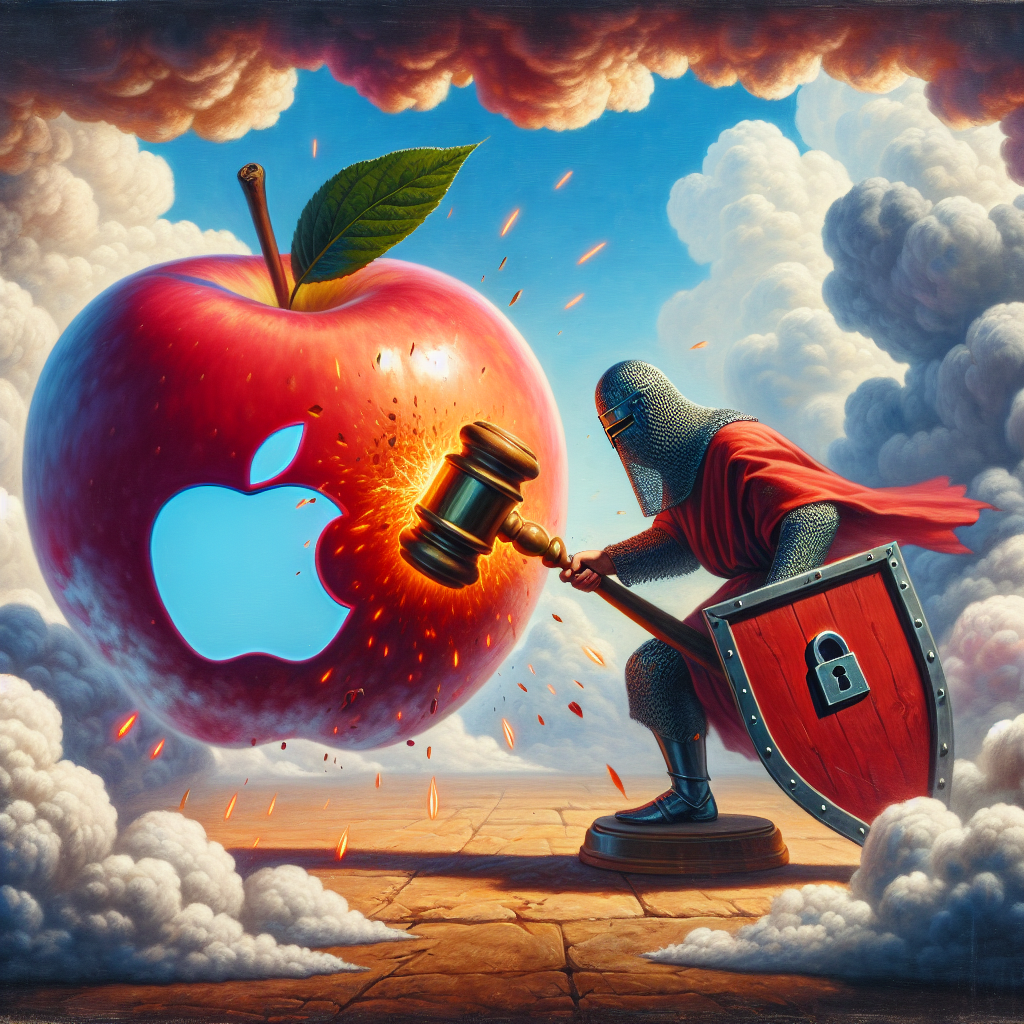
Apple’s Stand Against U.K.’s iCloud Encryption Backdoor Order: A Battle for User Privacy
In a digital age where the sanctity of personal data feels more fragile than ever, Apple’s ongoing standoff with the U.K. government over an iCloud encryption backdoor order stands as a pivotal moment for user privacy. This clash isn’t just about one company’s choice to defend its encryption model; it signals a far-reaching debate on the balance between privacy and security.
Introduction: The Encryption Conundrum
In recent years, the tug-of-war between tech companies and governments over data encryption has intensified. Spearheading this high-stakes battle is Apple, known for its rigorous stance on privacy and security. At the crux of the issue is the U.K.’s demand for a backdoor into iCloud encryption—a request that Apple has vehemently opposed.
The demand for a backdoor essentially means that authorities want a way to decrypt and access personal data stored on Apple’s iCloud services. For many, this request raises red flags about potential misuse and the erosion of privacy rights. But why exactly is Apple resisting this order so fervently?
Understanding Encryption: An Essential Primer
To fully grasp the implications of Apple’s battle with the U.K. government, it’s crucial to understand what encryption is.
What is Encryption?
Encryption is the process of converting information or data into a code, especially to prevent unauthorized access. In the context of Apple and iCloud:
- End-to-End Encryption: This ensures that data can only be accessed by the sender and the intended recipient. Even Apple can’t access this data without the user’s consent and credentials.
- Data Security: Encryption safeguards user data from hackers, cybercriminals, and unauthorized third parties.
Why Encryption Matters
- User Privacy: Provides a shield against intrusive surveillance.
- Data Integrity: Ensures that the data received is exactly as sent by the owner, untampered and authentic.
- Trust: Builds a secure environment that fortifies customer loyalty and trust in tech companies.
The U.K.’s Rationale: National Security Concerns
The U.K. government argues that having a backdoor to encryption is vital for national security:
- Counterterrorism: Access to encrypted communications is deemed crucial in preventing acts of terrorism.
- Crime Prevention: Ability to thwart cybercrime and illegal activities conducted through encrypted communication channels.
Despite these goals, many critics argue that such access could become a slippery slope, potentially jeopardizing user freedoms and privacy.
Apple’s Privacy Philosophy: A Deep Dive
Apple’s brand identity is strongly built on a foundation of privacy. Here’s why they staunchly refuse to include backdoors in their encryption systems:
The Stand Against Backdoors
- Security Risk: Creating a backdoor for the "good guys" can also be exploited by "bad guys", increasing vulnerability.
- User Trust: Prioritizes protecting user data and maintaining trust.
- Precedent Setting: Agreeing to one government could set a precedent for others, leading to a domino effect.
Historical Stance and Actions
Apple has consistently demonstrated its commitment to privacy:
- Refusal to Unlock iPhones: Recall the famous San Bernardino case where Apple refused FBI’s request to unlock an iPhone.
- Regular Security Updates: Continuous efforts to enhance security mechanisms and safeguard data integrity.
Implications of Compliance: What Could Happen?
Apple’s potential compliance with the U.K.’s order carries its own set of consequences:
Risks Involved
- Global Impact: Following the U.K.’s demands could weaken security frameworks globally.
- Loss of Competitive Edge: Could lead to a decline in consumer trust and brand value.
- Legal and Ethical Concerns: Raises questions about the ethicality of compromising user privacy.
The Global Perspective: A Universal Debate
The conversation around encryption isn’t limited to just Apple and the U.K.; it’s a global discussion. Here’s how different countries and stakeholders are approaching it:
International Stances on Encryption
- United States: Similar debates have emerged, especially concerning tech giants.
- European Union: Strives for a balance between privacy rights and law enforcement needs.
- Tech Industry’s Role: Google, Facebook, and other major players standing alongside Apple on strong encryption.
Conclusion: A Digital Era Crossroad
Apple’s challenge to the U.K’s iCloud encryption backdoor order isn’t merely a corporate argument but a decisive moment that might shape the future of digital security and privacy. It underscores the fundamental question: Should privacy be sacrificed in the quest for greater security?
Ultimately, the resolution of this matter, whether in favor of Apple or national authorities, will set a precedent influencing tech policy, public trust, and the rights of individuals in the years to come. As digital citizens, we watch with bated breath while global opinions on privacy and security continue to evolve, realizing that the outcome affects us all.
Stay informed, stay secure, and above all, stay vigilant as the tides of digital privacy continue to shift.