
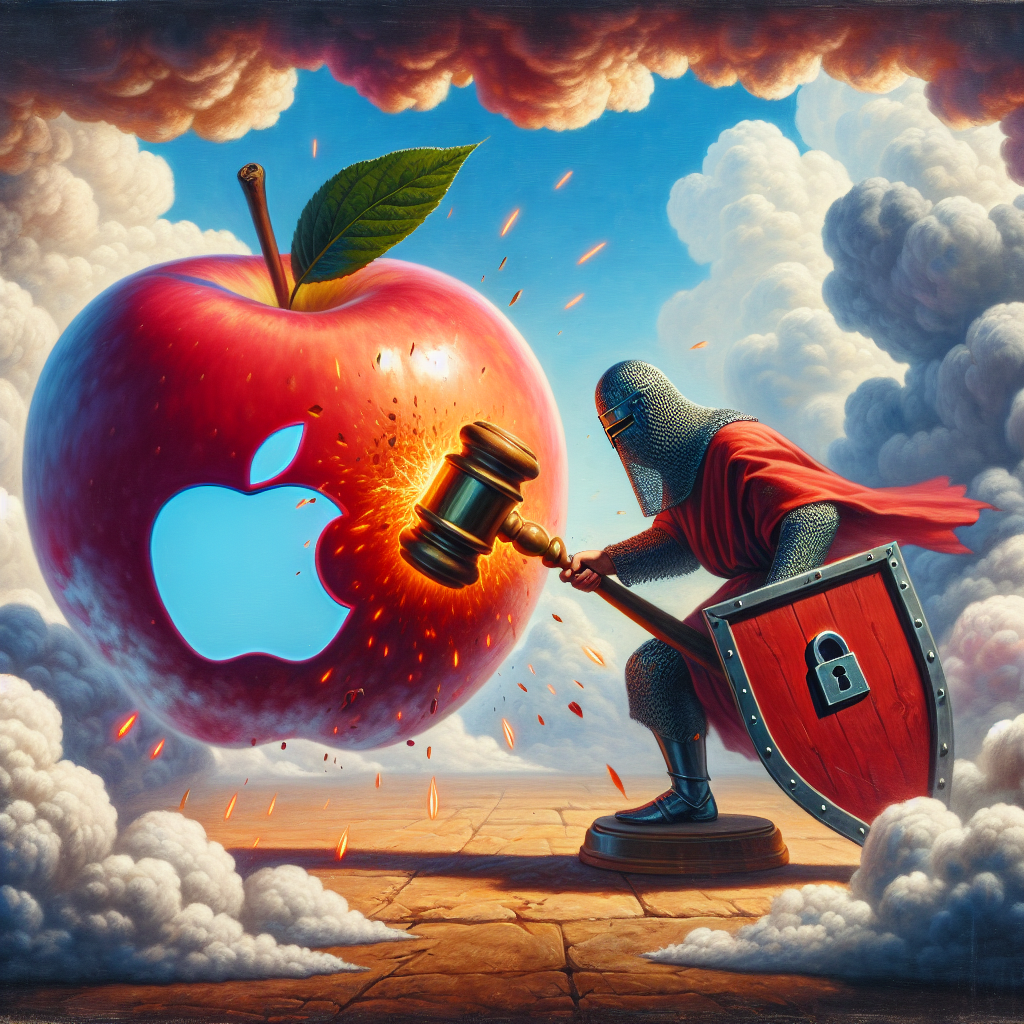
Apple Takes a Stand: Challenging the U.K.’s iCloud Encryption Backdoor Order
In an era where data security is increasingly becoming a focal point of global debate, Apple Inc. is making headlines once again by challenging the U.K. government’s order to implement a backdoor in its iCloud encryption. This legal confrontation between a tech giant and a sovereign state has far-reaching implications, not just for the data privacy of millions of Apple users in the U.K., but also for global internet privacy policies and cybersecurity. In this article, we will delve into the intricacies of this monumental clash, and what it means for users, tech companies, and governments around the world.
Apple’s Commitment to Privacy
A Legacy of Protecting User Data
Apple has long positioned itself as a staunch defender of user privacy. The company has consistently integrated robust security features across its devices, setting the benchmark for the tech industry. Key milestones include:
- End-to-end encryption: Apple has implemented end-to-end encryption for its services such as iMessage and FaceTime, making it nearly impossible for third parties — including Apple itself — to access the data exchanged between users.
- Secure Enclave technology: This hardware-based feature protects sensitive data such as biometric information used in Face ID and Touch ID.
- Mining data on-device: Apple has pioneered the practice of running AI and machine learning models on-device, limiting the need to send data to the cloud.
The Pillars of iCloud Security
Central to Apple’s privacy policy is its iCloud service, which stores a multitude of personal data including photos, documents, and backups. iCloud encrypts data both in transit and at rest to prevent unauthorized access.
- iCloud Keychain: A feature that securely stores passwords and credit card information, using strong encryption to protect sensitive data.
- Two-factor authentication: Adding an extra layer of security, this process requires not only a password but also a verification code sent to the user’s device.
In light of recent developments, Apple’s approach to security is being put to the test as it challenges new legislation in the U.K.
The U.K.’s Encryption Backdoor Order
An Overview of the Legislation
The U.K. government’s request for a backdoor into encrypted data forms part of the Investigatory Powers Act 2016, often referred to as the "Snooper’s Charter." The legislation is designed to bolster national security by giving law enforcement agencies access to encrypted communications in the context of criminal investigations.
Arguments for a Backdoor
Proponents of the encryption backdoor argue that:
- National security: Access to encrypted data can be crucial for preventing and solving major crimes like terrorism and child exploitation.
- Public safety: Law enforcement can act more swiftly if they have the ability to decrypt data when necessary.
The Risks Involved
However, implementing backdoors poses significant risks:
- Weakening overall security: Creating vulnerabilities that hackers or malicious actors could exploit.
- Setting a dangerous precedent: Encouraging other governments to demand similar access, potentially leading to global erosion of data privacy.
Apple’s Legal Battle and its Implications
Taking a Stand for Privacy
Apple is challenging the U.K.’s backdoor order on the grounds that it undermines user trust and violates the principles of data privacy. Here’s what they argue:
- Security integrity: The introduction of a backdoor compromises iCloud’s security architecture and could potentially expose users to data theft and unauthorized access.
- User trust and company reputation: Apple has built its brand around privacy. Complying with the order could damage its reputation and user trust.
The Broader Impact
Apple’s challenge holds significant implications for various stakeholders:
For Consumers
- Enhanced privacy: A win for Apple could ensure stronger data privacy protections.
- Potential inconvenience: A legal defeat could necessitate changes in the way consumers interact with and perceive cloud-based services.
For Tech Companies
- Industry standards: The outcome could influence the policies and security standards adopted by other tech companies.
- R&D investments: More emphasis on developing technologies resilient to governmental overreach.
For Governments
- Regulatory approaches: Encouraging lawmakers to balance security needs with personal privacy rights.
- Global relations: Setting international precedents and inviting scrutiny over privacy practices worldwide.
The Future of Data Privacy
Emerging Trends
The case exemplifies a broader trend in which governments and tech companies are constantly negotiating the boundaries of privacy and security. Key trends include:
- Stronger encryption protocols: Development of more secure algorithms that maintain privacy without needing backdoors.
- International cooperation: Enhanced dialogue between governments and tech firms to form consensus-based security measures.
Repercussions on Innovation
With continually evolving regulations, tech innovation is undergoing significant change:
- Privacy-focused products: Companies prioritizing product features that enhance data privacy.
- Decentralized systems: Advances in blockchain and decentralized storage reducing reliance on centralized cloud offerings.
Conclusion
Apple’s stance against the U.K.’s iCloud encryption backdoor order is more than a legal dispute; it is a symbolic struggle for the soul of digital privacy. As consumers become increasingly aware of, and concerned about, data privacy, companies like Apple must navigate complex legal landscapes to sustain trust and maintain robust security standards. The outcome of Apple’s challenge could influence how future legislation is shaped, not just in the U.K., but worldwide. The stakes are high, with the potential to redefine digital privacy for generations to come.