
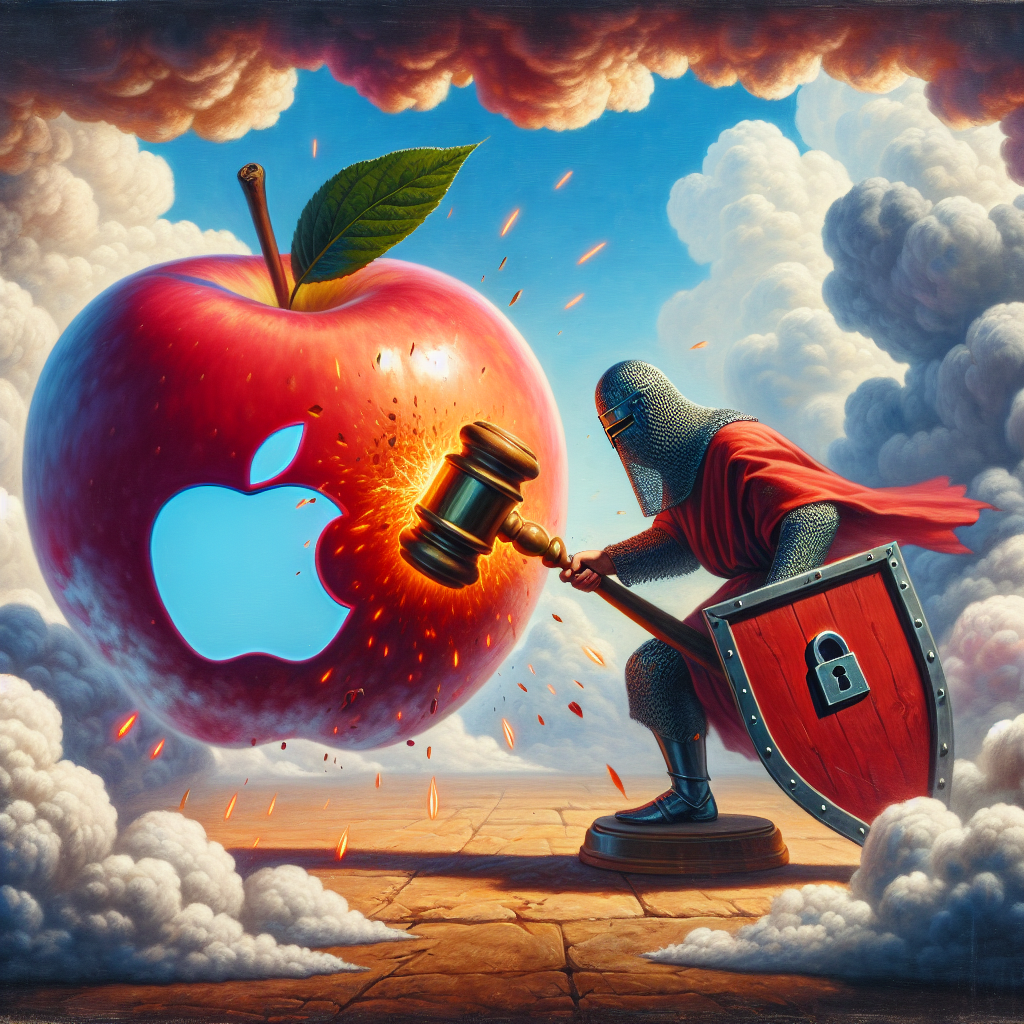
Apple vs. UK’s iCloud Encryption: A Battle for Privacy
In today’s digital age, privacy battles between tech giants and governments have become increasingly common. One such battle currently sparking widespread debate is Apple’s challenge to the UK government’s iCloud encryption backdoor order. As cyber threats evolve and data privacy concerns grow, this situation becomes a crucial case study in balancing national security and user privacy. In this article, we’ll delve into the nuances of this dispute and explore the broader implications for technology users and policymakers worldwide.
The Background: What is the UK iCloud Encryption Backdoor Order?
Before we dive into Apple’s response, it’s essential to understand what the UK’s iCloud encryption backdoor order encompasses. Enshrined in the Investigatory Powers Act 2016, known colloquially as the "Snooper’s Charter," this legislation grants UK authorities extensive surveillance capabilities. Built into this framework are provisions demanding that tech companies provide governmental access to encrypted user data, which sparked considerable controversy among privacy advocates.
Key Features of the UK Encryption Law:
- Government Access: Allows government agencies to compel tech companies to decrypt user data upon request.
- Backdoor Requirement: Mandates the creation of a ‘backdoor’ for government access, potentially widening the risk for vulnerabilities.
- Oversight Mechanisms: Establishes an Investigatory Powers Commissioner to oversee the execution of powers under the act.
Apple’s Standpoint: Upholding User Privacy
Apple has long positioned itself as a strong advocate for user privacy, with its market strategy uniquely emphasizing secure devices and encrypted communications. For Apple, user trust is foundational, and it believes that creating backdoors compromises this trust and undermines the security architecture that keeps its users safe.
Reasons Behind Apple’s Resistance:
- Risk of Exploitation: Introducing backdoors creates potential vulnerabilities. Hackers could exploit these backdoors, putting user data at risk.
- User Trust: Upholding privacy commitments strengthens trust and long-term customer loyalty, key elements in Apple’s brand strategy.
- Precedent Setting: Complying with this order could set a precedent for other countries to demand similar access, leading to a fragmentation of security protocols worldwide.
The Legal and Ethical Implications
Apple’s challenge to the UK’s order brings significant legal and ethical questions to the forefront. How does one balance the needs of national security with the preservation of individual privacy rights?
Legal Aspects:
- Jurisdiction Disputes: Legal challenges often involve complexities surrounding which jurisdiction prevails—company HQ or user location.
- Data Protection Laws: Conflicts with laws like GDPR that emphasize strict data protection standards.
- International Law: Global legal discord might arise if countries adopt conflicting stances on encryption compliance.
Ethical Dilemmas:
- Right to Privacy: A fundamental human right, privacy is at the core of democratic governance.
- Security vs. Surveillance: Finding equilibrium between protection against threats and encroaching government surveillance.
- Corporate Responsibility: Companies like Apple face ethical decisions regarding whose interests they prioritize—their users or governmental demands.
The Technological Perspective: Understanding iCloud Encryption
Understanding iCloud encryption provides insight into why Apple fiercely defends its security protocols. iCloud employs end-to-end encryption, ensuring that only the user has the decryption key to access their data.
Technical Details of iCloud Encryption:
- Encryption Protocols: Utilizes AES (Advanced Encryption Standard) with 256-bit keys, considered among the most secure.
- End-to-End: Ensures data is encrypted from the source and only decrypted by the recipient, even from Apple’s perspective.
- Zero Access: Apple’s design means they theoretically cannot access user data, emphasizing user-control elements.
Implications for Users and the Technology Industry
Apple’s challenge against the UK’s backdoor order has widespread repercussions that extend beyond the courtroom, affecting users and the broader technology landscape.
For Users:
- Increased Vigilance: Be more aware of data privacy rights and the governing regulations in their country.
- Encrypt Everything: Embrace end-to-end encryption tools and practices as standard data protection measures.
For the Industry:
- Innovation in Privacy: Increases in demand for privacy-forward products may drive innovation focused on robust encryption technologies.
- Standardizing Global Practices: Tech companies could push for more unified international laws regarding data privacy and security, preventing fragmented Internet governance.
The Global Perspective: A Domino Effect?
Apple’s challenge doesn’t just impact the UK and Apple. It sets the stage for global ramifications, especially within countries that look to the UK as a digital policy leader.
- Potential Legal Precedents: Legal findings could impact future court decisions internationally.
- Policy Influence: Global policymakers might look to the UK’s struggles as a lesson in drafting or amending their digital and privacy laws.
- Coalition Building: Advocacy groups may use this high-profile challenge to galvanize support for universal encryption standards.
Conclusion: Privacy or Security—Must We Choose?
Apple taking a stand against the UK’s move doesn’t simply represent corporate resistance; it’s an emblematic event in the ongoing debate of privacy versus security. The outcome of Apple’s challenge will likely have broader, lasting implications for encryption, privacy, and security.
For technology users, privacy advocates, and policymakers, this case underscores the critical importance of scrutinizing, debating, and reforming surveillance laws in line with privacy rights. As stakeholders in this interconnected digital ecosystem, the developments in Apple’s legal challenge remind us that vigilance, innovation, and dialogue are needed to navigate the complex web of modern digital privacy.
In conclusion, Apple’s challenge against the UK’s backdoor order is about more than just the details of iCloud encryption. It’s a pivotal case that could shape the privacy landscape for years to come, bringing into sharp focus the essential dialogue on one of today’s most important issues: the balance between national security and individual privacy.