
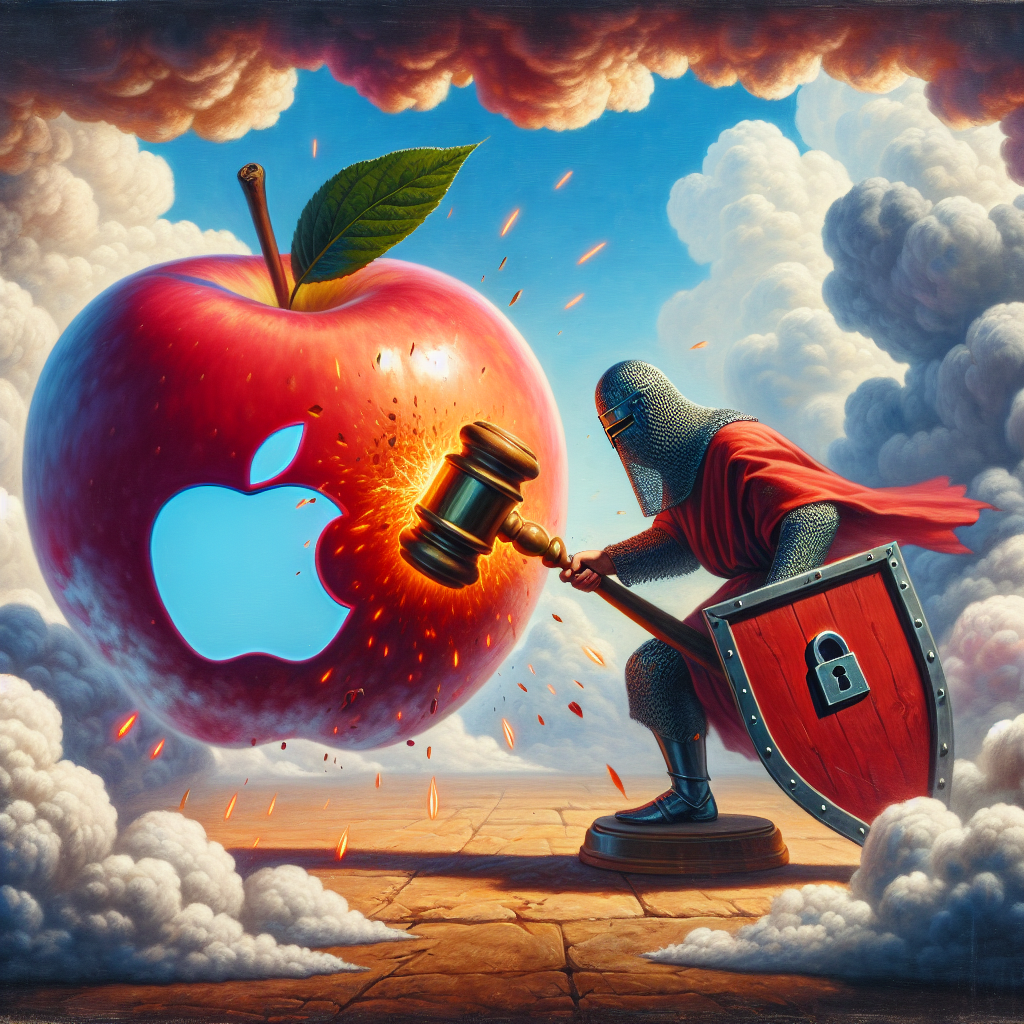
Apple vs. U.K.: The Clash over iCloud Encryption and User Privacy
In an era where digital privacy and data security have become prominent concerns, tech giants and governments are frequently locking horns over how best to handle user information. Apple, renowned for its strong stance on privacy, is once again in the spotlight as it challenges the U.K. government’s directive to create backdoors in its iCloud encryption. This article delves into the ramifications of this legal battle, exploring the background, potential implications for Apple, and what it means for users around the globe.
Understanding the U.K.’s iCloud Encryption Backdoor Order
To comprehend the ongoing tussle, it’s essential to grasp what the U.K. government’s order entails. In an attempt to bolster national security and assist law enforcement, the U.K. has compelled tech companies to provide access to encrypted communications when necessary. This often means creating "backdoors" which can be a double-edged sword, potentially offering entry points not just for law enforcement but also for cybercriminals.
The Purpose of the Order
- Combatting Crime: Central to the order is the battle against terrorism and organized crime by ensuring law enforcement can access vital communications.
- National Security: Protecting citizens and maintaining national security are paramount, especially in the face of evolving cyber threats.
Potential Risks
- Security Vulnerabilities: Backdoors can make systems more vulnerable to hacks.
- Privacy Concerns: User trust may be eroded if sensitive personal data is exposed or misused.
Apple’s Unyielding Stance on User Privacy
Apple’s commitment to privacy has been unwavering over the years. The company argues that weakening encryption would be detrimental not just for the individual user but for the safety of all, as any vulnerability could be exploited by anyone with sufficient knowledge and resources.
Apple’s Encryption Protocols
Apple’s encryption policies are designed to ensure that user data is safe:
- End-to-End Encryption: Ensures that data is only readable by the sender and the intended recipient, even Apple can’t decrypt it.
- Advanced Security Features: Regular updates and advanced security features to safeguard user data against threats.
Apple’s Previous Encounters with Governments
Apple’s contention with the U.K. is not its first. There have been multiple instances where Apple has faced pressure from governments:
The 2015 San Bernardino Case
In 2015, Apple refused the FBI’s request to unlock an iPhone in the aftermath of a terrorist attack, sparking widespread debate over encryption.
Global Responses
Different countries have had varied responses to Apple’s policies, with some advocating for backdoors and others understanding the importance of encryption.
Implications for Users and Privacy
The outcome of Apple’s challenge against the U.K. could have a lasting impact on privacy rights globally.
User Trust and Brand Integrity
Apple’s brand heavily banks on its integrity and commitment to privacy, contributing significantly to user loyalty.
- Potential Erosion of Trust: Compliance with backdoor demands could undermine user trust.
- Market Impact: Apple’s stand can influence not just its market but the overall tech industry’s approach to privacy and encryption.
Broad Implications for Technology Companies
Apple’s fight might set a precedent for other technology companies regarding:
- Adoption of Encryption: May discourage companies from investing in robust encryption technologies.
- Legal and Operational Challenges: Companies might face more legal hurdles or government pressure.
Why Encryption Matters
The Role of Encryption in Today’s Digital Age
- Public Safety: Protects sensitive personal and financial data.
- Freedom of Expression: Ensures individuals can communicate freely without fear of surveillance.
Varied Stakeholder Opinions
Different stakeholders have varied opinions on the backdoor policy:
- Privacy Advocates: Strongly oppose backdoors citing risks to personal freedom and privacy.
- Law Enforcement: Argue that backdoors are essential tools for criminal investigations.
Global Reactions and Future Prospects
The Apple vs. U.K. case is a beacon for broader global discussions on encryption and privacy.
International Repercussions
- Regulatory Approaches: Other countries may look towards this case to model their own regulatory frameworks.
- A Call for International Standards: This case may speed up the push for global policies regarding encryption and privacy.
A Look Towards the Future
- Advancements in Encryption: The tech industry may innovate even more sophisticated encryption methods.
- Policy Adjustments: Governments may reconsider their stances for more balanced approaches.
Conclusion
The ongoing battle between Apple and the U.K. government over iCloud encryption backdoors is more than just a legal skirmish—it’s a fundamental clash over user privacy in an increasingly digital age. As this story unfolds, it serves as a reminder of the evolving dynamics of technology, privacy, and security. Users and tech companies alike will be watching closely, as the outcomes here could recalibrate the very foundations of privacy in the digital world.
In this critical moment, it’s vital for users to stay informed and proactive on issues about data privacy, recognizing the significant implications these decisions have on our digital footprints and personal lives. So, whether you’re an iPhone user or not, this battle impacts you, and its echoes could shape the digital realm for years to come.