
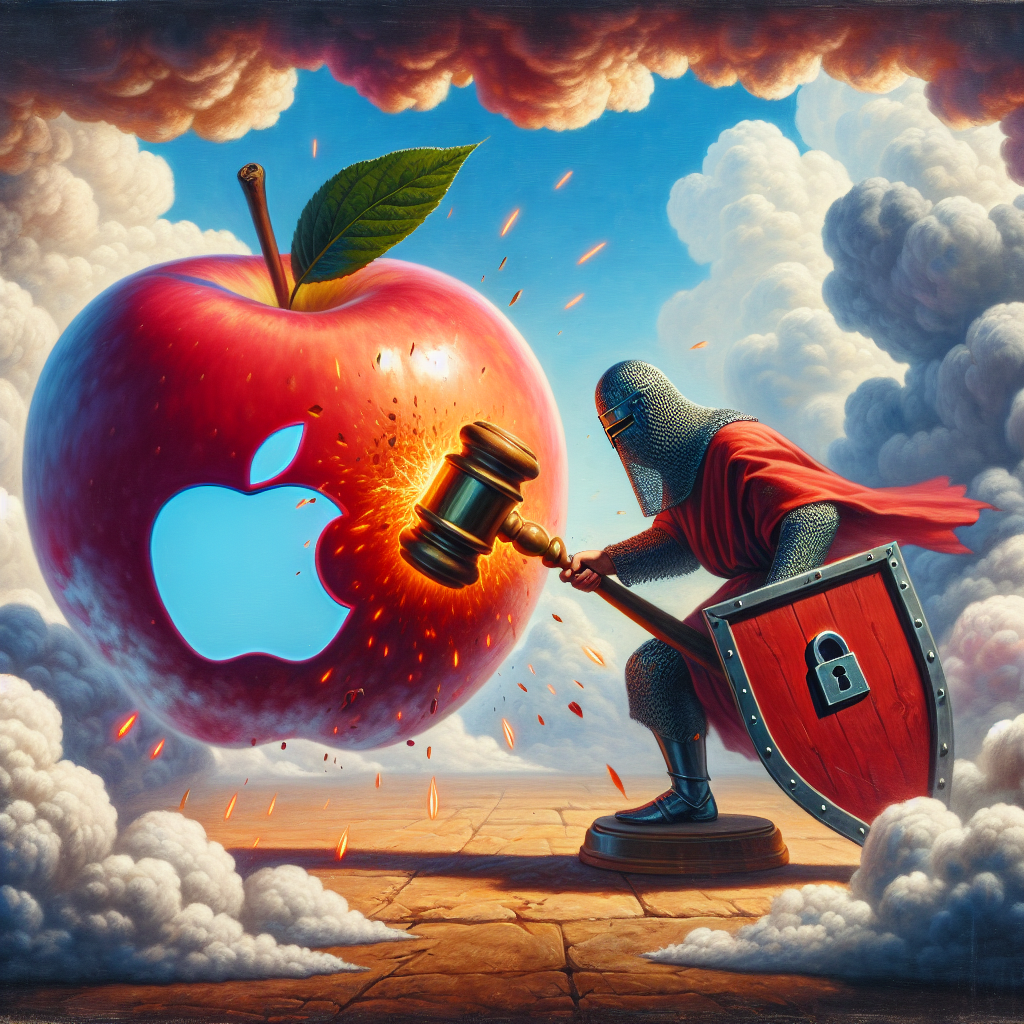
Apple Takes a Stand: Challenging the U.K.’s iCloud Encryption Backdoor Order
In a move that has reignited the debate over digital privacy and security, Apple is challenging the U.K.’s directive to create an encryption backdoor that could potentially compromise the integrity and confidentiality of its popular iCloud service. This development has far-reaching implications not just for Apple, but for tech companies and consumers worldwide. As the scenario unfolds, it becomes imperative to understand the stakes, the arguments from both sides, and what it could mean for the future of digital security.
The U.K.’s Encryption Backdoor Order: What’s at Stake?
The U.K. government has long advocated for law enforcement agencies to have more access to encrypted data. On the surface, this might seem like a logical request in the fight against crime and terrorism. However, the implications are much more profound and complex.
Understanding Encryption: The Basics
-
What is Encryption?
Encryption is a security measure that scrambles data so that it can only be read by someone with the correct key. It’s utilized everywhere: from safeguarding personal emails to securing online banking transactions. - The Importance of Encryption
Encryption is fundamental to ensuring privacy and security online. Without it, sensitive personal and financial data could be exposed to hackers, government surveillance, or anyone with malicious intent.
Why the U.K. Wants a Backdoor
-
The Case for Access
The U.K. government argues that having a backdoor for encrypted services like iCloud can help them combat terrorism, organized crime, and child exploitation by providing access to crucial evidence locked behind encryption. - Balancing Security and Privacy
While the intentions behind the backdoor request are framed around public safety, critics argue that providing such access could undermine the overall security of encrypted systems.
Apple’s Position: Why They Are Standing Firm
Apple, a company known for its strong stance on user privacy, views the request for a backdoor as a slippery slope that could lead to widespread misuse and weaken trust in their services.
Apple’s Privacy Policy and User Trust
-
Commitment to User Privacy
Apple has consistently marketed its products as more secure and private than competitors. Their message is clear: users can trust that their data is safe with Apple. - Potential Risks of a Backdoor
Creating a backdoor for government access inevitably presents the risk of that backdoor being discovered and exploited by hackers. Once an entry point to encrypted data is established, it may be duplicated, sold, and misused by malicious actors.
Precedents and Previous Challenges
-
Apple’s History with Government Requests
This isn’t the first time Apple has faced pressure from governments to compromise their encryption standards. A prominent example occurred in 2016 in the U.S., where Apple refused to unlock an iPhone belonging to a terrorist suspect, citing security concerns. - Legal and Ethical Considerations
Apple contends that creating weak points in their system deliberately is not just bad policy but an unethical breach of trust with their customers.
The Implications: What This Means for the Tech Industry
The outcome of Apple’s challenge against the U.K. could set a precedent affecting how other countries regulate encryption. The decision could also influence how companies around the world design their security systems.
The Global Ripple Effect
-
Impact on Other Tech Companies
If the U.K. enforces this order on Apple, other tech companies might face similar demands. This could lead to a patchwork of different encryption standards worldwide based on each country’s requirements. - Innovation and Security
Many argue that mandated backdoors could stifle innovation by creating a chilling effect on developers tasked with building security systems. Additionally, it could increase costs as companies may need to navigate various legal and technical requirements across jurisdictions.
The Consumer’s Dilemma
-
Privacy vs. Security
Consumers might have to choose between using services that offer full encryption and those that adhere to government-mandated access. This choice might pit personal privacy against societal needs for security. - Impact on Consumer Trust
If major security breaches result from mandated backdoors, trust in digital services could decline, affecting how people interact with technology.
Conclusion: Maintaining the Balance
The debate over the U.K.’s iCloud encryption backdoor order is a complex one, laden with technical, ethical, and social implications. Apple’s resistance highlights the broader conversation about the future of privacy and digital security. The outcomes will need to strike a delicate balance between effectively protecting the public and safeguarding the individual right to privacy.
As tech companies, governments, and consumers navigate this terrain, one truth holds: the battle between privacy and security isn’t just a matter of policy—it’s a defining question of our time.
Stay informed with the latest developments on digital privacy and security here! Subscribe to our newsletter for updates, opinions, and in-depth analyses.