
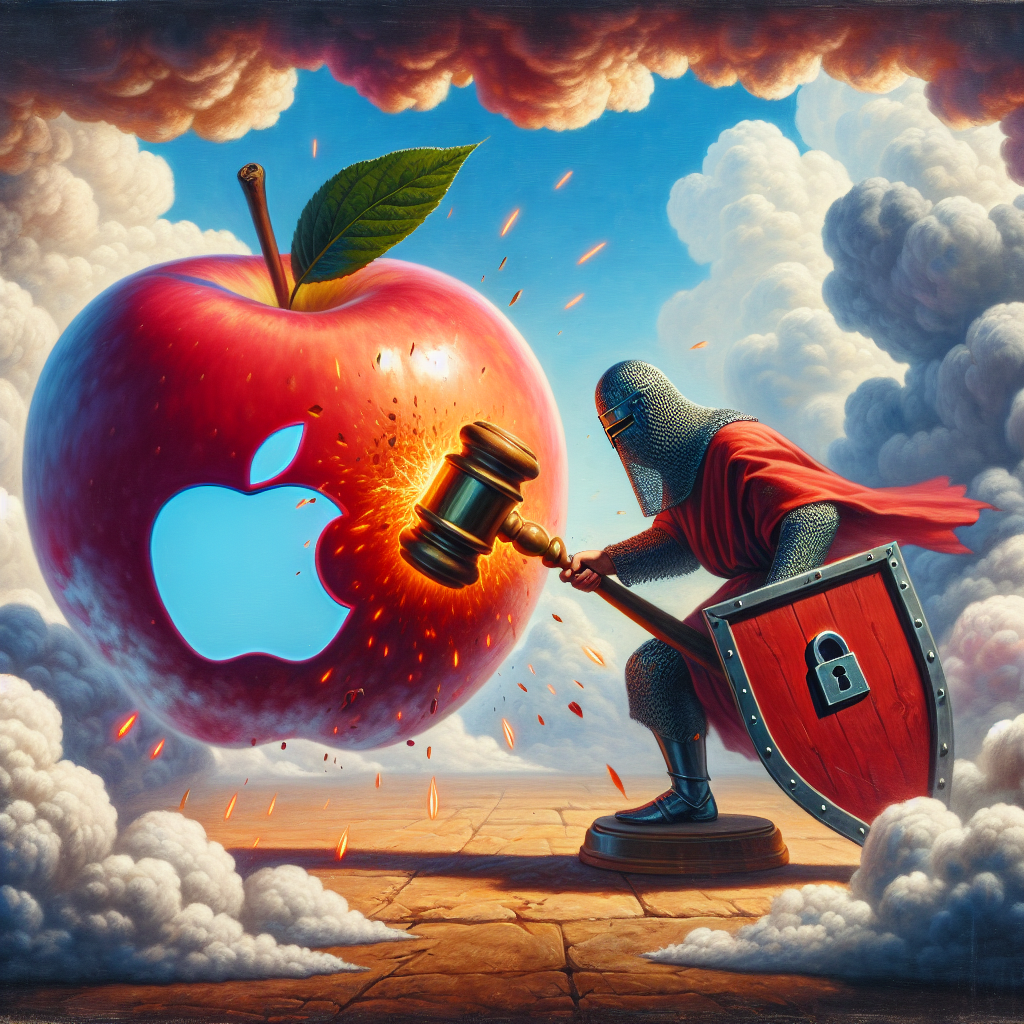
Apple Stands Against U.K.’s iCloud Encryption Backdoor Order: A Pillar in Privacy Advocacy
In the digital age, where personal information is often a mere click away from potential breaches, privacy remains a steadfast concern for users worldwide. Among the champions safeguarding user data, Apple has persistently stood as a sentinel. Recently, this tech giant has found itself embroiled in a scuffle with the United Kingdom over its demand for an iCloud encryption backdoor. This contest not only affects U.K. Apple users but also has profound implications for global digital privacy policies.
What’s at Stake in Apple’s Privacy Stand-Off?
Apple’s ongoing battle with the U.K. government highlights a critical issue: the tension between national security and personal privacy. As the U.K. government pushes for greater access to encrypted data, Apple is steadfastly refusing, citing the inherent risks such a backdoor would pose.
Understanding Encryption and Its Importance
Encryption stands at the heart of this debate. But what exactly is encryption, and why is it so important?
-
Definition: Encryption is the process of encoding information so that only authorized parties can read it. It converts the original information into a scrambled format, which can only be deciphered with a specific key.
- Importance:
- Data Security: Protects user data from unauthorized access.
- Privacy Assurance: Ensures that personal information remains confidential.
- Trust Building: Offers users peace of mind, knowing their interactions and transactions are secure.
Why Apple’s Opposition Matters
Apple’s refusal to create a backdoor into iCloud for any government isn’t just a business maneuver; it’s a stand for users’ rights worldwide. Here’s why this matters:
-
Setting Precedents: Should Apple concede, it could set a precedent for other governments to demand similar access, amplifying risk without geographical bounds.
-
User Trust: Apple’s brand is largely built on its commitment to privacy. Capitulating could damage its reputation and break trust with its customer base.
- Security Risks: Backdoors designed for government access can also be exploited by cybercriminals, thereby increasing the risk of widespread data breaches.
Apple’s History of Privacy Advocacy
Apple’s robust approach to privacy isn’t newfound. Over the years, its philosophy and implementation of security measures have repeatedly shown the company’s commitment to safeguarding user information.
Pioneering Features in Apple’s Privacy Arsenal
Apple has continuously innovated to maintain user privacy through various features and systems:
-
End-to-End Encryption: From messages to FaceTime calls, Apple ensures data is protected from the point of origin to its intended recipient.
-
On-Device Processing: Leveraging on-device computations minimizes data exposure, sending only essential, anonymized information to Apple servers.
- App Tracking Transparency: Introduced in iOS 14.5, this feature empowers users to exercise control over which apps can track their activity.
Notable Privacy Battles
Apple’s steadfast opposition to creating backdoors is consistent with its history of resisting governmental pressure to undermine its security measures:
-
2016 San Bernardino Case: Apple resisted the FBI’s demands to unlock an iPhone involved in a terrorist investigation, defining its dedication to privacy over compliance.
- Ongoing Legislative Pushbacks: Apple’s interactions with governments globally reflect a pattern of firmly standing against invasive laws.
The U.K.’s Perspective: Balancing Security and Privacy
Understanding the U.K.’s stance involves appreciating the tightrope walk between ensuring national security and respecting citizen privacy.
The Intent Behind the Backdoor Demand
Governments typically justify the need for backdoor access with the following arguments:
-
National Security: By accessing encrypted data, security agencies aim to preemptively thwart threats, making the country safer.
-
Crime Prevention: Access to user data can expedite criminal investigations, providing critical information necessary for justice delivery.
- Public Safety: Information retrieval can potentially stop or mitigate large-scale threats, such as terrorist attacks.
Criticisms and Counterarguments
While the intentions seem noble, several criticisms have surfaced regarding the U.K.’s demands:
-
Overreach Risks: Critics argue that such demands infringe on personal freedoms and could be leveraged for unlawful surveillance.
-
False Sense of Security: Backdoors do not necessarily guarantee improved security but introduce new vulnerabilities.
- Undermining Trust: Governmental access could lead to a domino effect, with other nations demanding similar concessions, ultimately eroding privacy standards worldwide.
Potential Implications of the U.K.’s Order
The outcome of this standoff holds significant weight for the tech industry and users globally.
For Tech Companies
-
Precedent Concerns: If Apple relents, other tech companies could face similar pressures from their governments, affecting international privacy settings.
- Innovation Impact: Companies might have to invest extensively in developing secure yet, accessible systems, potentially stalling other innovations.
For Users
-
Privacy Perception: Users could feel the impact through decreased confidence in their privacy, leading to lesser engagement and usage of digital services.
- Data Security: With potential vulnerabilities, users face the real risk of increased data breaches and exposure to cyber threats.
A Global Ripple
- International Privacy Standards: This case could inform or alter international standards regarding privacy, impacting legislation globally.
Conclusion: Privacy vs. Security – The Everlasting Conundrum
Apple’s challenge against the U.K.’s iCloud encryption backdoor order encapsulates the ongoing struggle between ensuring national security and upholding individual privacy. This conflict serves as a timely reminder for policymakers, tech companies, and users alike: safeguarding privacy in the digital age requires careful balancing, continual dialogue, and unwavering commitment to protecting personal data from undue intrusion.
In resolving these complex issues, the ability to encourage global collaboration, respect individual rights, and fostering transparent technologies will determine the future path of digital privacy. As this debate unfolds, eyes worldwide remain keenly fixed on how Apple, a bastion of privacy advocacy, will navigate these turbulent waters.