
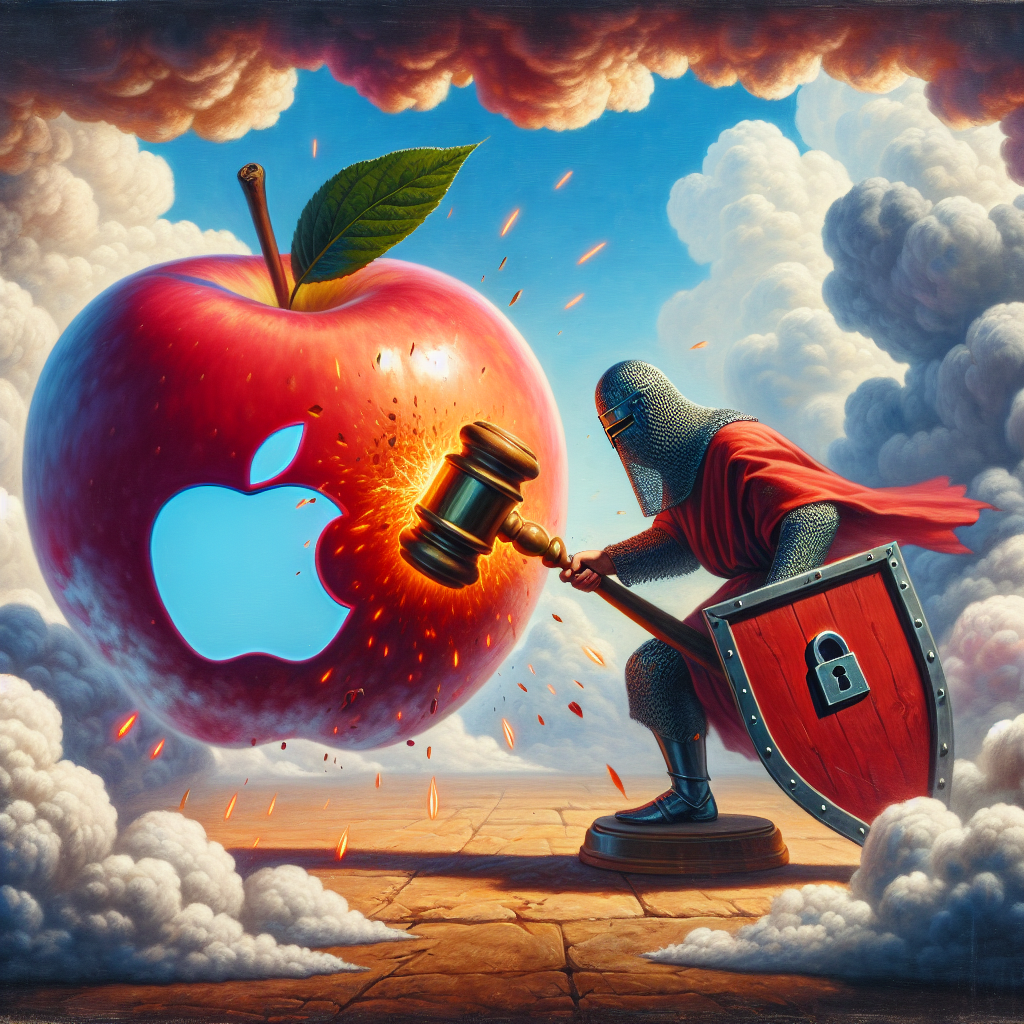
Apple’s Bold Stand: Challenging the U.K.’s Demand for iCloud Encryption Backdoors
The clash between privacy advocates and government authorities has taken center stage in a world increasingly reliant on digital communication. Apple Inc., a front-runner in data privacy and security, is no stranger to defending its strong encryption methods against legal demands for "backdoors." The latest battleground? A U.K. order demanding access to encrypted iCloud data, prompting Apple to challenge this directive. How does this impact tech users, and what does it mean for the future of digital privacy? Let’s delve into this riveting debate.
Understanding Encryption and Backdoors
Before we dive into the current scenario, let’s understand the key components at the heart of this conflict: encryption and backdoors.
What is Encryption?
- Definition: Encryption is a method that converts data into a coded format, preventing unauthorized access. Only authorized users with the correct decryption key can access the data.
- Importance:
- Protects sensitive information from cybercriminals.
- Ensures the privacy and confidentiality of user data.
What Are Backdoors?
- Definition: A backdoor refers to a method of bypassing traditional authentication protocols in encrypted systems, allowing unauthorized users to access the data. In this context, the backdoor is requested by governments for surveillance needs.
- Controversies:
- Compromises user privacy and data security.
- Risks data breaches if malicious actors exploit the backdoor.
The U.K. Order: A Brief Overview
The United Kingdom has been exerting pressure on tech companies to provide backdoor access to encrypted communication channels. The government argues that such measures are vital for national security, allowing law enforcement to tackle terrorism, child exploitation, and other criminal activities.
Key Aspects of the U.K.’s Demand
- Objective: To help law enforcement agencies access data for crime prevention.
- Implications for Tech Companies:
- Must comply by providing backdoor access, risking users’ trust.
- Potentially makes their services less secure against cyber threats.
Apple’s Response: A Firm Stand on Privacy
Apple, renowned for its stringent privacy measures, has openly contested the U.K.’s demands.
Why Apple is Opposing
- User Trust: Apple has built its reputation on a commitment to user confidentiality and data protection.
- Security Risks:
- Compromised encryption can be exploited by cybercriminals.
- Leaves all user data vulnerable once a backdoor is instituted.
Statements from Apple
- Apple CEO Tim Cook emphasizes that weakening encryption would damage both personal privacy and collective security.
- Apple asserts its dedication to protecting user data as non-negotiable.
Tech Community and Public Reactions
The ongoing debate has caught the eye of both the tech industry and the general public, sparking diverse reactions.
Support for Apple
- Privacy Advocates: Praise Apple for standing up for digital privacy rights.
- Tech Industry Leaders:
- Highlight the importance of maintaining robust encryption standards.
- Express concerns about the precedent that such backdoor requirements may set.
Criticisms of Apple
- National Security Concerns: Critics argue that Apple’s stance could hinder law enforcement efforts in preventing crimes.
- Moral Responsibility: Some believe tech companies have a duty to aid in crime prevention.
Potential Implications of Apple’s Stand
Apple’s pushback against the U.K. orders doesn’t only impact the company; it has broader implications.
For Users
- Enhanced Privacy: Users can expect continued robust encryption policies from Apple.
- Security Assurance: Confidence in data security remains intact, minimizing risks related to potential data breaches.
For the Tech Industry
- Precedent Setting: Other tech companies may follow suit in resisting similar governmental demands.
- Innovation vs. Regulation: Raises questions about the balance between technological innovation and regulatory oversight.
The Path Forward: Navigating the Privacy vs. Security Dilemma
Finding a middle ground between personal privacy and national security continues to be pivotal.
Possible Solutions
- Transparency: Governments and tech companies can collaborate on measures that ensure effective crime prevention without compromising privacy.
- Modern Technologies: Investing in advanced technologies could lead to alternative solutions that satisfy both parties.
Conclusion: Upholding Privacy in a Digital Age
In a world driven by digital interactions, the line between privacy and security is finer than ever before. By challenging the U.K.’s iCloud encryption backdoor order, Apple is not only safeguarding its principles but also igniting an essential discourse on privacy rights. As technology continues to evolve, maintaining a dialogue on these critical issues is imperative for shaping a secure and private digital future.
In this fast-paced digital landscape, what remains steadfast is the fundamental right to privacy, championed fiercely by entities like Apple, setting the stage for ongoing discussions about the ethical responsibilities of tech companies worldwide.