
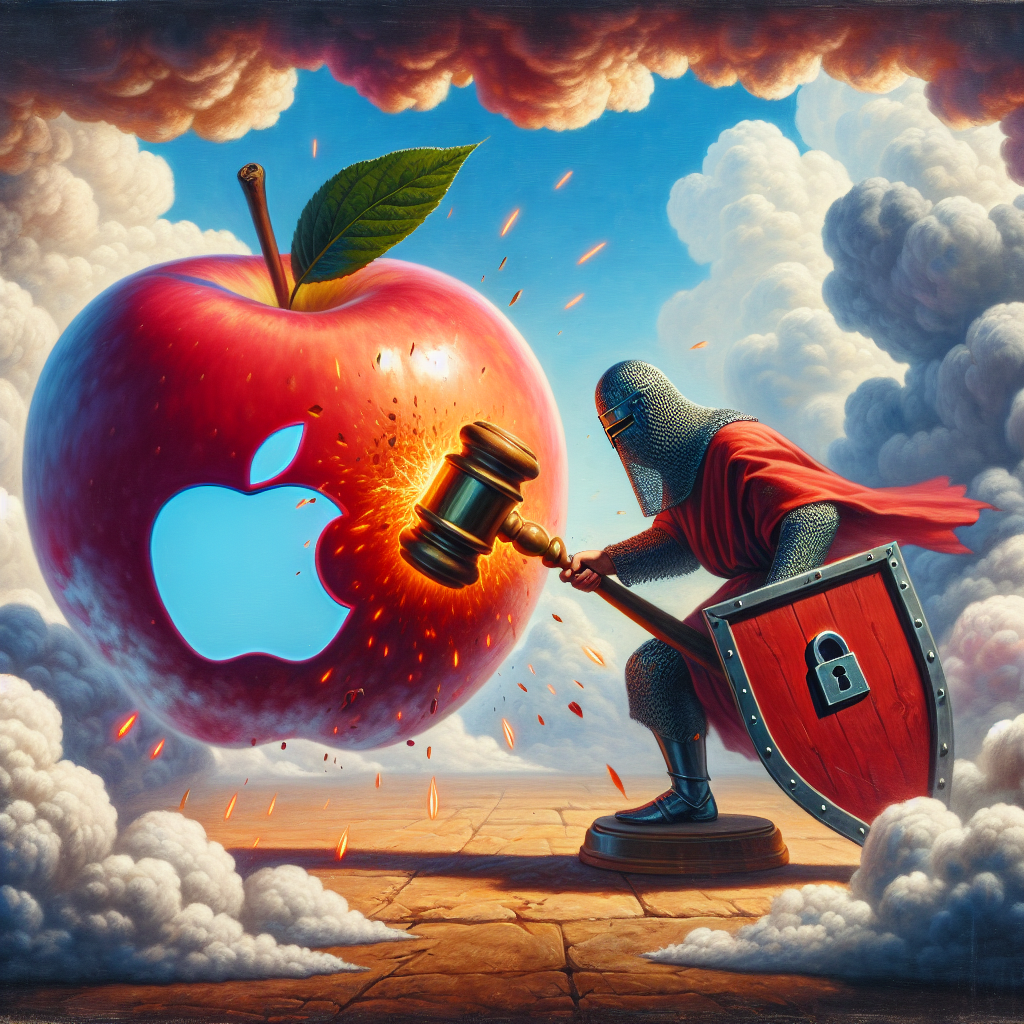
Apple’s Stand Against U.K.’s iCloud Encryption Backdoor Order: A Battle for Privacy
In recent years, the realm of digital privacy has become one of the forefront discussions in technology and governance. Central to this is the challenge between big tech companies and governmental authorities over user data security. Apple—a company known for its stringent privacy policies—is under the spotlight with the latest U.K. order to create an iCloud encryption backdoor. In this article, we explore Apple’s stance on encryption, the implications of the U.K.’s demand, and what it means for global digital privacy.
Understanding the U.K.’s Order
The Core Issue: End-to-End Encryption
End-to-end encryption (E2EE) is a method of data protection that allows only the communicating users to read the messages. The encryption ensures that even the service provider itself doesn’t have access to the transmitted data. This high level of privacy is a double-edged sword, posing challenges for authorities seeking to combat cybercrime and terrorism.
- Key Facts about E2EE:
- Data is encrypted on the sender’s device and can only be decrypted by the recipient’s device.
- Prevents spying and unauthorized access by intermediaries, including service providers.
- Widely used across various platforms for secure communication.
U.K’s Standpoint: Security Versus Privacy
The U.K. government, emphasizing national security and public safety, has proposed a mandate for tech companies to include a “backdoor” for law enforcement access to encrypted communications.
- Arguments in Favor of a Backdoor:
- Crime Prevention: Easier access to potentially criminal communications.
- National Security: Helps in counter-terrorism operations.
- Child Protection: Prevents exploitation by accessing illicit content.
Apple’s Position on Encryption
Apple’s Privacy Ethos
Apple has built its reputation on the cornerstone of user privacy, asserting that privacy is a fundamental human right. The company’s refusal to compromise on this front is unwavering, as evident in Apple’s CEO Tim Cook’s repeated statements defending robust encryption.
- Commitment to Privacy:
- Strong encryption policies across all services.
- Regular transparency reports on data requests by governments.
- Continuously innovating to safeguard user data on its devices and services.
Response to the Encryption Backdoor Order
Apple’s response to the U.K.’s backdoor order has been firm. The company believes that creating a backdoor would weaken security for all users and create a dangerous precedent globally.
- Primary Concerns:
- Vulnerability: Creation of a backdoor could lead to potential misuse by malicious actors.
- Precedent Setting: If one government is allowed a backdoor, others may demand similar access, leading to a worldwide erosion of privacy.
- User Trust: Maintaining integrity with users who rely on Apple’s promise of privacy protection.
The Global Impact of a "Backdoor" Decision
Domino Effect in International Privacy
The outcome of this face-off could have significant global repercussions. A precedent set in the U.K. could encourage other countries to enforce similar laws, drastically changing the landscape of digital privacy worldwide.
- Potential Outcomes:
- Global pressure on tech companies to comply with encryption backdoors.
- Reduced trust in digital communications platforms.
- Escalation of complex legal battles between governments and tech companies.
Tech Industry Reaction
The tech industry stands united in its stance against measures that compromise the tenets of encryption. Companies argue that security and privacy are not mutually exclusive and that compromising one can significantly endanger the other.
- Unified Stance:
- Many tech companies, like Google, Microsoft, and Facebook, support Apple’s stance.
- Advocating for methods that enhance both privacy and public safety without compromising encryption.
The Path Forward: Balancing Security and Privacy
Potential Solutions
Finding a balanced approach to satisfy both security concerns and the need for user privacy is crucial. Innovative solutions could potentially bridge this divide.
- Solutions:
- Advanced AI Surveillance:** Implement advanced AI technologies to detect threats without breaking encryption.
- Law Enforcement Protocols: Developing international protocols for secure collaboration without infringing on privacy.
- Timely Updates: Regular software updates for vulnerability checks without compromising encryption.
Conclusion
The tussle between Apple and the U.K. government is more than just a corporate versus state debate—it’s a defining moment for the future of digital privacy. With heightened reliance on digital communications, safeguarding encryption while addressing security concerns requires a nuanced and considered approach. Apple’s challenge is a bold move, and the tech industry watches closely, knowing that its outcome could shape the next era of digital rights and privacy standards across the globe.
In this tug of war between privacy and security, where do you stand? Share your thoughts below, and stay tuned for more updates on how Apple and other tech giants navigate these critical issues shaping our digital landscape.