
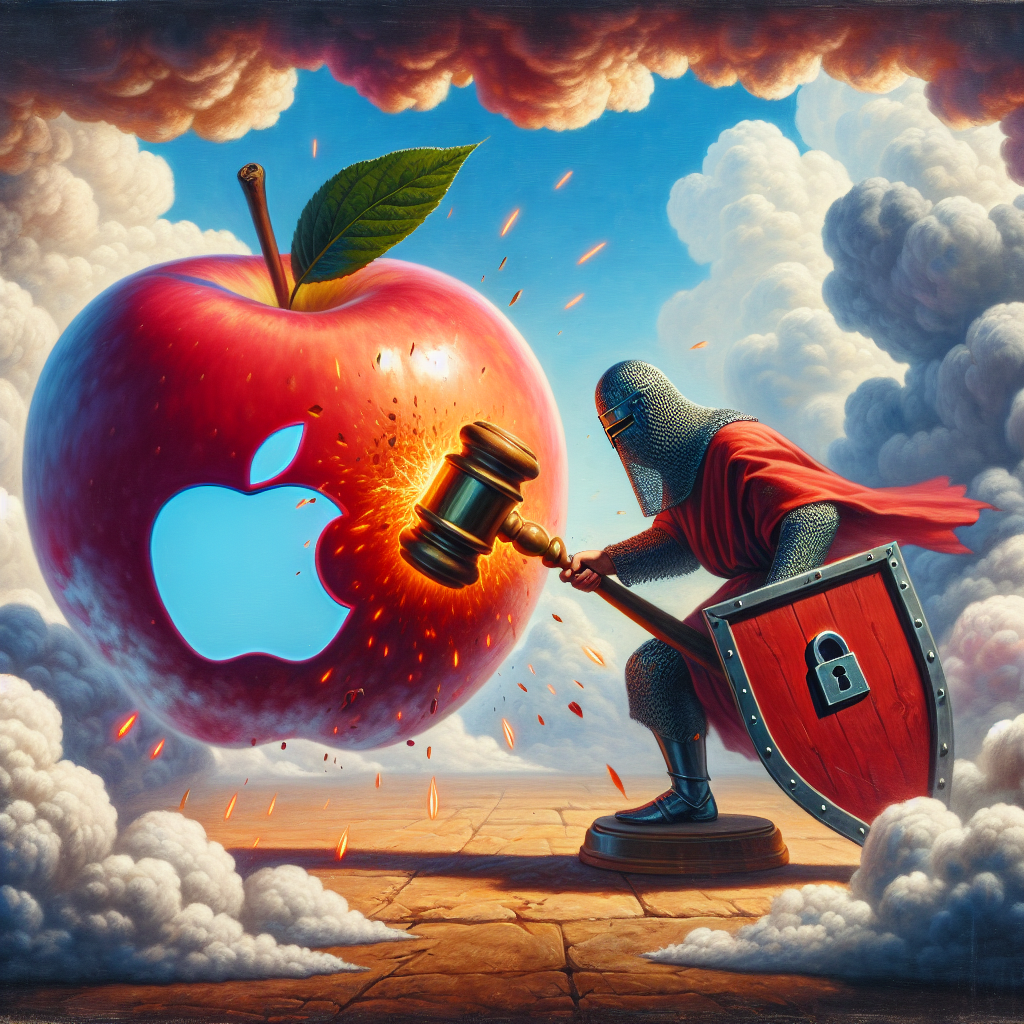
Apple vs. U.K. Government: The Battle Over iCloud Encryption Backdoors
The tech giant Apple is currently embroiled in a heated battle with the U.K. government over a contentious issue that strikes at the heart of digital privacy and security. The U.K. has ordered Apple to implement an encryption backdoor in its iCloud service, a demand that has raised eyebrows and sparked significant debate worldwide. This article will delve into the intricacies of the situation, examining what it means for Apple, its users, and the broader implications for privacy in today’s digital age.
Introduction: The Encryption Dilemma
In an age where data breaches and cyber attacks are increasingly common, encryption has become a cornerstone of digital security. For Apple, a company that prides itself on protecting user data, encryption is not just a feature—it’s a fundamental philosophy. However, recent developments in the U.K. challenge this stance, putting Apple in a difficult position.
The U.K. government’s order for an encryption backdoor into iCloud services is primarily justified on grounds of national security and crime prevention. While these are undeniably important objectives, they are up against the equally critical issue of user privacy. Apple’s refusal to comply with this order is a stand that stresses the importance of protecting its users’ data from unauthorized access. But this refusal is not without its tensions and challenges.
Understanding the U.K.’s Request
What Exactly is a Backdoor?
An encryption backdoor refers to a built-in method that allows someone to bypass the encryption used to protect data. In this case, the U.K. government is asking Apple to create a backdoor for its iCloud service, which would allow government agencies to access encrypted data.
The Government’s Rationale
The U.K. government argues that backdoor access is necessary for:
- National Security: Protecting the nation from terrorist threats and potentially dangerous activities that can be coordinated secretly through encrypted communications.
- Crime Prevention: Enabling law enforcement agencies to obtain crucial evidence from encrypted devices and services.
Apple’s Commitment to Privacy
Apple’s Encryption Philosophy
Apple has consistently emphasized its commitment to privacy. The company’s encryption measures are designed to ensure that only the user and no one else—not even Apple—has access to personal data.
Key Privacy Features in iCloud
These include:
- End-to-End Encryption: Data is encrypted on the user’s device and can only be decrypted with a key that’s also on the user’s device.
- Two-Factor Authentication: Adds an extra layer of security, reducing the risk of unauthorized access.
The Implications of a Backdoor
Potential Risks
Implementing a backdoor could lead to several potential risks and challenges:
- Misuse and Abuse: Even if intended for legitimate governmental use, once such a backdoor exists, there’s always a risk of it being misused by malicious entities or potentially even other governmental bodies.
- Security Breaches: Creating an access point, even if intended for secure government use, inherently weakens overall security, making iCloud data more vulnerable to hackers.
- User Trust: If users perceive that their data is no longer private, this can erode trust, resulting in potential loss of user base or decrease in new users.
Global Precedents
A backdoor implementation could set a global precedent:
- Other Countries’ Demands: If Apple complies with the U.K., it could open the floodgates for other governments to make similar demands, leading to a fragmented approach to user privacy.
- Competitive Disadvantage: Companies that prioritize user privacy may find themselves at a competitive disadvantage compared to domestic rivals not subject to such mandates.
Legal and Ethical Considerations
Balancing Privacy and Security
The core of the debate lies in finding a balance between ensuring public safety and maintaining individual privacy rights.
- Human Rights: Privacy is a recognized human right, and creating mechanisms that could infringe upon these rights must be scrutinized carefully.
- Legal Precedence: Previous cases, such as Apple’s refusal to unlock an iPhone for the FBI in 2015, highlight ongoing tensions between tech companies and governments over encryption.
International Perspectives
- European Union: The EU has stringent data protection regulations, set by the General Data Protection Regulation (GDPR), which could clash with such backdoor mandates.
- United States: Similarly, the US context might be watching knowingly, as decisions in one jurisdiction can heavily influence others.
What Lies Ahead for iCloud Users?
Apple’s Potential Courses of Action
- Legal Challenges: Apple could pursue legal action against the U.K. order, focusing on privacy rights and the implications on user trust.
- Technical Adjustments: Alternatively, Apple might explore technical adjustments that maintain its commitment to privacy while addressing government concerns, though this is a delicate line to tread.
- Public Advocacy: Continuing to educate users and policymakers about the importance of encryption and privacy rights.
User Actions
Users concerned about their privacy can take several actions:
- Stay Informed: Keep abreast of updates and changes in policies that could affect their data security.
- Utilize Apple’s Security Features: Make full use of Apple’s built-in security and privacy tools, such as enabling two-factor authentication.
- Data Backups: Regularly back up data using encrypted storage options.
Conclusion: A Precipice Moment
Apple’s challenge to the U.K. order isn’t just a corporate matter—it’s a pivotal moment in the ongoing battle between privacy and security. As technology continues to evolve, these discussions will only become more significant.
Ultimately, how Apple and the U.K. navigate this issue will have profound implications, not just for iCloud users but for digital privacy on a global scale. Whether you’re a tech enthusiast, privacy advocate, or just a concerned digital citizen, staying informed and engaged with these developments is crucial.
In the ever-evolving landscape of digital security, this case could define the lines between privacy and security for years to come.