
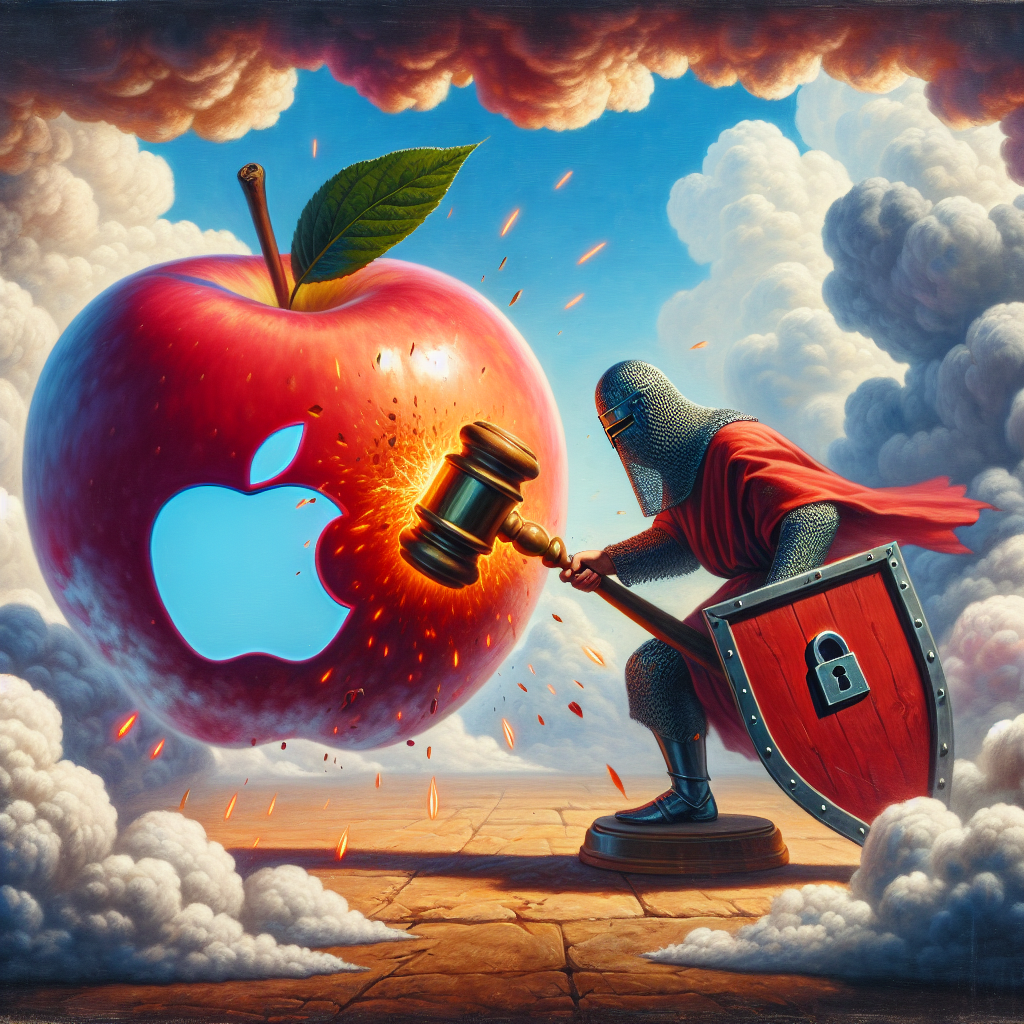
Apple vs. U.K.’s iCloud Encryption Backdoor Order: A Privacy Showdown
In an era dominated by digital transformation, protecting personal data has never been more critical. At the center of this worldwide debate is Apple, a giant in the tech industry known for vehemently defending user privacy. Recently, Apple has challenged a U.K. order demanding an encryption backdoor in its iCloud services, raising pertinent questions about user privacy, national security, and regulatory frameworks.
Understanding the U.K. iCloud Encryption Backdoor Order
What Is Encryption and Why Is It Important?
Encryption is the practice of encoding data so that only authorized parties can access it. Apple’s use of end-to-end encryption ensures that data stored on its iCloud cannot be accessed without proper authorization, even by Apple itself.
- Secure communication and data storage
- Protection against unauthorized access and potential cyber threats
- Assurance of user privacy and confidentiality
The Encryption Backdoor Request
In its quest to tighten cybersecurity and surveillance, the U.K. government proposed creating a backdoor in encrypted services like iCloud. This would allow government agencies to access data for reasons like:
- National security
- Crime prevention
- Investigation of criminal activities
While this seems beneficial for national security, the introduction of a backdoor also poses significant risks to personal privacy and the integrity of security systems.
Apple’s Stance: Privacy First
From the outset, Apple has been unwavering in its commitment to user privacy. Known for its catchphrase "What happens on your iPhone, stays on your iPhone," Apple argues:
- A backdoor for one is a backdoor for all. Once created, it could potentially be exploited by malicious hackers and bad actors.
- Whatever the intention, a backdoor compromises the principle of encryption and weakens the security framework.
- Such modifications conflict with consumer trust, as users expect their data to remain private and secure.
Supporting Legal Frameworks
Apple’s position resonates with various international laws and standards:
- General Data Protection Regulation (GDPR): Ensures privacy and protection of data in the EU.
- European Charter of Fundamental Rights: Guarantees the right to data protection.
Implications of the U.K.’s Order
For Users
- Loss of Privacy: Users may fear that their personal information is accessible by third parties.
- Erosion of Trust: A company that allows backdoor access may lose customer confidence.
- Security Risks: Potential exposure to cyber threats if security systems are breached.
For Tech Companies
- Regulatory Pressure: A domino effect where other countries may follow suit, impacting global operations.
- Balancing Act: The challenge of aligning with government regulations while maintaining customer loyalty.
- Innovation Stagnation: Compliance burdens could potentially stifle technological innovation.
The Global Context: Balancing Privacy and Security
Examples of Global Regulations
The U.K. is not the only country grappling with this issue. The United States and Australia have tried implementing similar measures, but not without controversy. Critics argue:
- Such measures often over-reach and threaten civil liberties.
- Effective alternatives should be explored to address security concerns without jeopardizing privacy.
Editorial Analysis: Striking the Right Balance
While national security is undeniably crucial, it is equally important to protect citizens’ privacy rights. Here’s what needs to be considered:
- Robust Safeguards: If backdoors are necessary, they must come with stringent checks and balances.
- Transparent Frameworks: Clear guidelines on how data will be handled or accessed.
- Technology Collaboration: Encouragement of tech companies to innovate secure solutions in collaboration with governments.
Apple’s Pursuit of Privacy: A Brief History
Apple’s history reflects its dedication to privacy:
- iOS Updates: Regularly enhances features focusing on user control over data sharing.
- Legal Battles: Known for numerous court cases defending data privacy (e.g., the San Bernardino case).
- Security Innovations: Includes exclusive security measures like Face ID and Six-Digit Pin Options.
Conclusion: The Future of Privacy and Encryption
The ongoing battle between Apple and the U.K. government underscores a pivotal moment in tech regulation history. As this unfolds, it will set a precedent impacting both user privacy and governmental access to information globally. While no single solution fits all, it will be crucial for stakeholders to come together, striking a balance between the imperatives of security and the sanctity of privacy.
Stay tuned as we continue to monitor this critical development in the realm of tech and privacy rights. Don’t forget to subscribe to our newsletter for the latest updates!
By exploring the tensions between privacy, security, and technology, we embrace a continually evolving digital world with cautious optimism. Join us on this tech journey, where we prioritize your privacy and the stories that matter.