
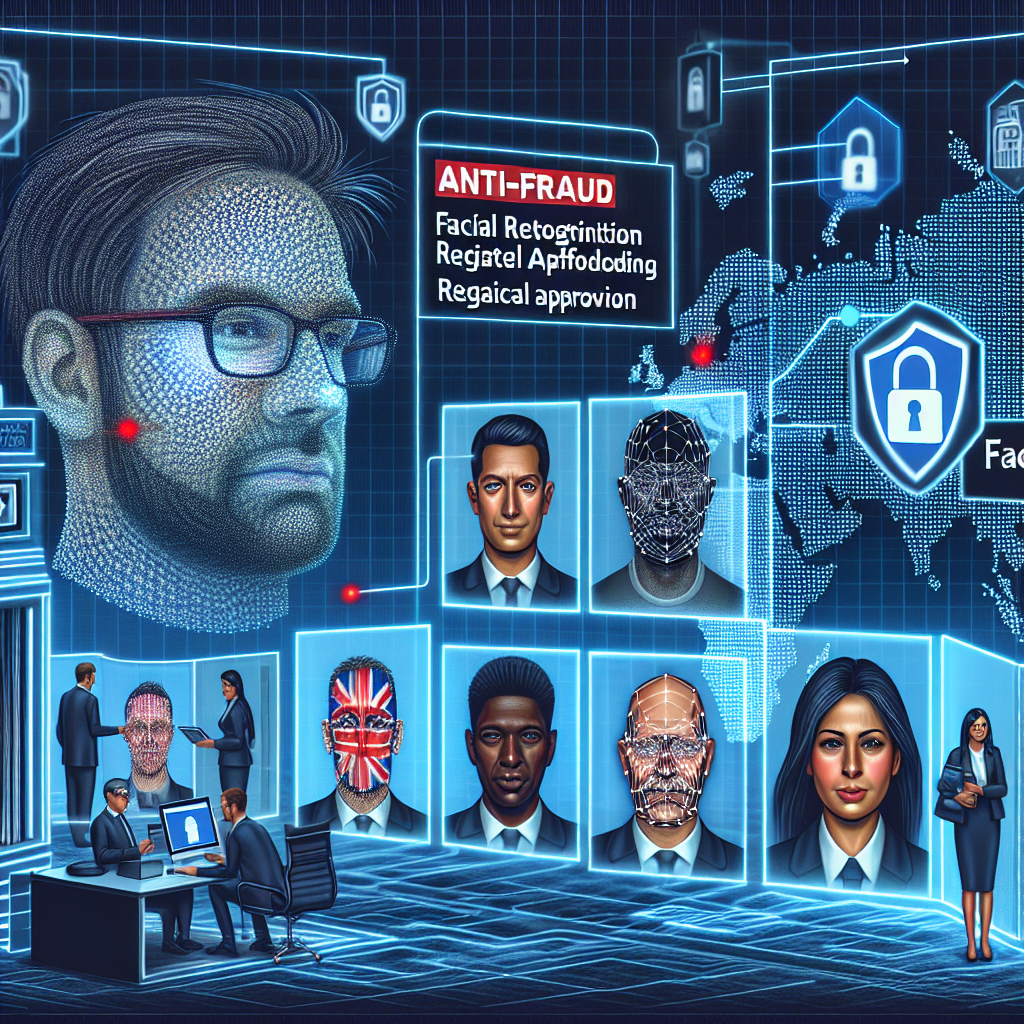
Meta’s Anti-Fraud Facial Recognition: A New Chapter Begins in the UK
In the fast-paced world of technology, developments unfold with the blink of an eye. Among these innovations, Meta’s new anti-fraud facial recognition test arriving in the UK marks a significant milestone. Endorsed by regulators, this advancement promises both security enhancements and privacy considerations. As we delve into this topic, we will uncover what this technology entails, its implications, and why it matters.
Introduction
Facial recognition technology has become a game-changer in today’s digital age. Its applications are wide-ranging—from enhancing security and streamlining processes to inadvertently sparking debates on privacy concerns. With Meta transporting its anti-fraud facial recognition test to the UK, it underscores a commitment to secure identity verification in a world that’s increasingly moving online. This development brings to the fore various issues and developments surrounding such technology, as regulators finally warm up to its potential.
A Look Back: Facial Recognition’s Journey
Facial recognition technology wasn’t born overnight. Decades of research and innovation have catapulted it to the forefront of modern security solutions. Initially deployed in restricted environments like government sectors or high-security zones, facial recognition has now permeated everyday life—from unlocking smartphones to identifying individuals in large gatherings.
The Rising Need for Security Against Fraud
In an age where digital transactions have become the norm, fraudulent activities are unfortunately increasing. Cybersecurity experts globally agree that the need for robust security measures is more significant than ever. As fraudsters evolve, so must our defenses. Meta’s facial recognition technology aims to bridge this gap, offering a reliable solution to verify identities and minimize fraud risks.
Understanding Meta’s Anti-Fraud Facial Recognition Test
Meta—a frontrunner in social media innovations—is leveraging its vast technological ecosystem to introduce comprehensive anti-fraud measures. The facial recognition test being introduced in the UK is designed to validate identities while maintaining user privacy and security.
The Technology Behind the Test
Meta’s facial recognition test utilizes advanced machine learning algorithms to discern facial features with remarkable accuracy. Its core focus is to ensure that the user behind a screen is genuine and not an impersonator.
- Precision and Accuracy: The system compares facial features against a securely stored database to affirm identity.
- Real-time Assessment: As an added security layer, the test swiftly responds to potential fraud attempts by flagging anomalies.
- Adaptive Learning: Continuous algorithm updates allow the technology to adapt to evolving fraud tactics.
An Ethical Leap Forward
Regulators’ approval signifies a crucial step in reconciling technological advancements with ethical considerations:
- Data Privacy: Meta is committed to upholding stringent data privacy standards, ensuring user data is protected.
- Opt-in Nature: Users interact with the system voluntarily, promoting an opt-in culture rather than enforcing mandatory adoption.
- Transparency: Providing users insight into how their data is utilized remains a cornerstone of Meta’s approach.
Implications for Businesses and Users in the UK
Business Opportunities
With robust anti-fraud measures in place, UK businesses stand to benefit significantly:
- Confidence Boost: Enhanced security can translate to increased user confidence, fostering a circle of trust.
- Reduced Frauds: Mitigating fraud cases saves businesses substantial financial losses and time.
- Consumer Base Expansion: By offering more secure transaction environments, businesses can attract a larger audience.
User Experience
For end users, this technology presents both advantages and challenges:
- Seamless Interaction: Users can expect smoother, more secure interactions online.
- Increased Privacy: Meta’s measures aim to find the sweet spot between enhanced security and uncompromised privacy.
- Addressing Concerns: Ongoing education is crucial to alleviate fears surrounding privacy infringement.
Navigating Potential Concerns
As beneficial as Meta’s innovations may appear, some challenges inevitably accompany them. Addressing these head-on will ensure smoother transitions and broader acceptance.
Privacy Anxiety
Despite Meta’s efforts to balance security with privacy, there remains an inherent anxiety regarding facial recognition:
- Data Misuse Fears: Addressing how data might be misused remains a top priority, fueling the call for ongoing transparency.
- Legal Considerations: Ensuring compliance with data protection regulations, such as the UK’s Data Protection Act, becomes vital.
Public Trust and Acceptance
Winning public trust is pivotal:
- User Education: Informing users about how the technology operates helps demystify it, building trust.
- Responding to Feedback: Listening to user concerns and iterating based on feedback is crucial for tech adoption.
The Road Ahead
The UK is just the starting point for Meta’s anti-fraud facial recognition journey. The road ahead promises exciting opportunities and challenges.
Future Rollouts and Versions
Meta’s commitment to continually improving its offerings spells promising upgrades in the future. Users can anticipate more features, enhanced security measures, and broader global rollouts.
Paving the Way for Other Technologies
Meta’s move may encourage other tech giants to explore similar pathways, emphasizing ethics in tandem with technology.
Conclusion
Meta’s introduction of their anti-fraud facial recognition test in the UK represents a significant leap forward in digital security. The UK’s embrace, steeped in regulatory approval and public intrigue, showcases a growing acceptance of technologies that promise safer online interactions. Balancing privacy with innovation is no small feat, but one that Meta seems poised to handle.
As we venture deeper into this digital age, innovations such as Meta’s will undoubtedly shape the future fabric of our online interactions. The key is ensuring that these advancements serve us all, aligning technological progress with ethical considerations for a better, brighter internet landscape.