
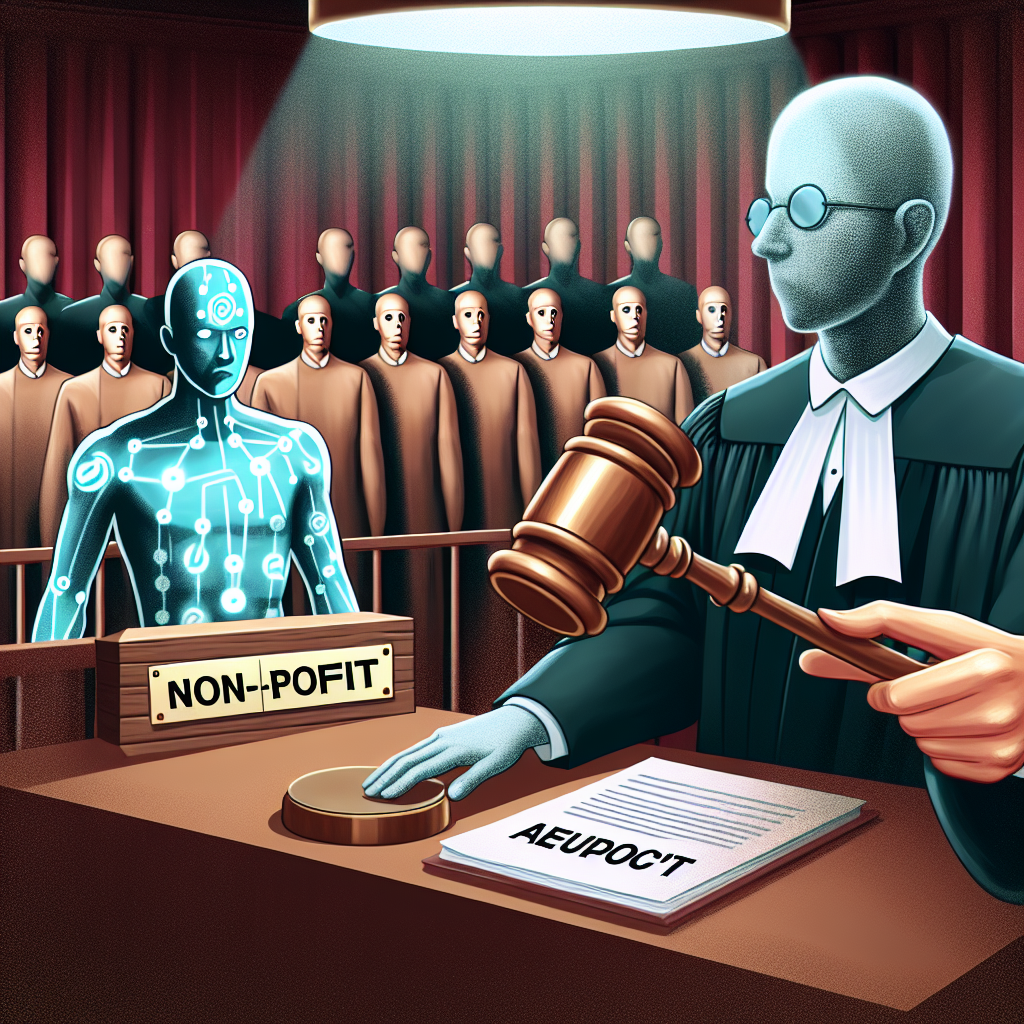
Judge Rejects Musk’s Bid to Block OpenAI’s For-Profit Transition: What It Means for AI’s Future
Artificial Intelligence (AI) is evolving at a pace faster than many could have anticipated, and arguably, no player in the AI space is more talked-about than OpenAI. The organization, initially designed to be a research laboratory promoting AI development for the betterment of humanity, has pivoted to a for-profit model. This transition stirred significant controversy, drawing criticism from key industry figures, including Elon Musk. Recently, a judge ruled against Musk’s attempt to halt this transition. Let’s dive into the implications this decision has for OpenAI, the AI industry, and innovation at large.
Understanding the Context: OpenAI’s Evolution
Before diving into the legal battle, it’s crucial to understand how and why OpenAI began its transformation into a for-profit entity.
OpenAI’s Non-Profit Roots
OpenAI started as a non-profit with a bold vision:
- Create "friendly" AI aligning with ethical guidelines.
- Promote a cooperative and transparent AI research culture.
- Limitations: Faced financial constraints, relying heavily on donations and grants.
The Shift to a For-Profit Model: OpenAI LP
In 2019, OpenAI announced a significant structural shift:
- OpenAI LP, a "capped-profit" company: A hybrid structure that limits returns to investors.
- Purpose: To gain the necessary capital and talent to compete with tech giants.
- Investor Interest: Attracted notable backers, with Microsoft investing $1 billion.
- Controversy: Concerns about potential conflicts with the initial mission of openness and ethics.
The Musk Connection: Why the Resistance?
Elon Musk’s opposition to OpenAI’s transition stems from multiple factors:
Musk as a Co-Founder and Critic
- Founding Background: Initially invested in OpenAI to bolster research in safe AI development.
- Departure: Stepped down from the board in 2018 citing potential conflicts due to Tesla’s own AI developments.
- Concerns Raised: Feared commercialization could prioritize profits over ethical AI use, compromising safety.
Legal Challenge and Ruling
- Lawsuit: Musk legally challenged the transition, questioning the adherence to transparency and safety goals.
- Outcome: A judge dismissed Musk’s attempt, stating the legal grounds were insufficient.
Analyzing the Impact: What This Ruling Means for the AI Landscape
The judge’s decision reverberates across several facets of the AI landscape.
Influence on AI Research and Development
- Increased Funding: Access to more capital could accelerate R&D, fostering innovation.
- Potential Risks: Conflicting priorities could steer research away from altruistic objectives.
Regulatory and Ethical Considerations
- Call for Regulation: The ruling may amplify discussions around AI governance and ethical standards.
- Transparency and Accountability: Heightened scrutiny over adherence to declared ethical commitments.
Market Dynamics: Competing with Tech Giants
- Competitive Edge: Transition enables OpenAI to better compete with big-name competitors like Google and Amazon.
- Tech Ecosystem: Could lead to innovations benefiting consumers and industries worldwide.
OpenAI’s Path Forward: Balancing Profit and Purpose
OpenAI’s journey encapsulates the tension between commercial success and ethical responsibility.
Strategies to Maintain Ethical Standards
- Governance Structures: Enhanced oversight mechanisms to ensure accountability.
- Partnerships and Collaborations: Collaborating with global experts to uphold ethical guidelines.
Transparent Community Engagement
- Public Disclosures: Regular updates on research, milestones, and ethical considerations.
- Community Input: Encouraging dialogue with the research community and public for informed decision-making.
Conclusion: Navigating the Future of AI
The dismissal of Musk’s lawsuit marks a pivotal moment for OpenAI and the broader AI industry. The path forward is one of balancing the delicate act between profit motives and the foundational mission of AI ethics and safety. As OpenAI ventures deeper into uncharted territories, the world watches intently, pondering the broader questions about AI’s role in shaping our future.
This exciting chapter in the story of OpenAI is far from over. The outcomes of their strategies today could very well pave the way for unprecedented advancements in AI tomorrow.
FAQs
Q: What does OpenAI’s "capped-profit" model mean?
- A: It refers to OpenAI LP’s unique structure, where returns for investors are limited to ensure the focus remains on ethical goals.
Q: Why did Elon Musk oppose OpenAI’s transition?
- A: He feared that commercialization could compromise AI safety and ethical considerations.
Q: What can OpenAI do to ensure it remains ethically grounded?
- A: Implement robust governance structures, maintain transparency, and engage with the community to uphold ethical standards.