
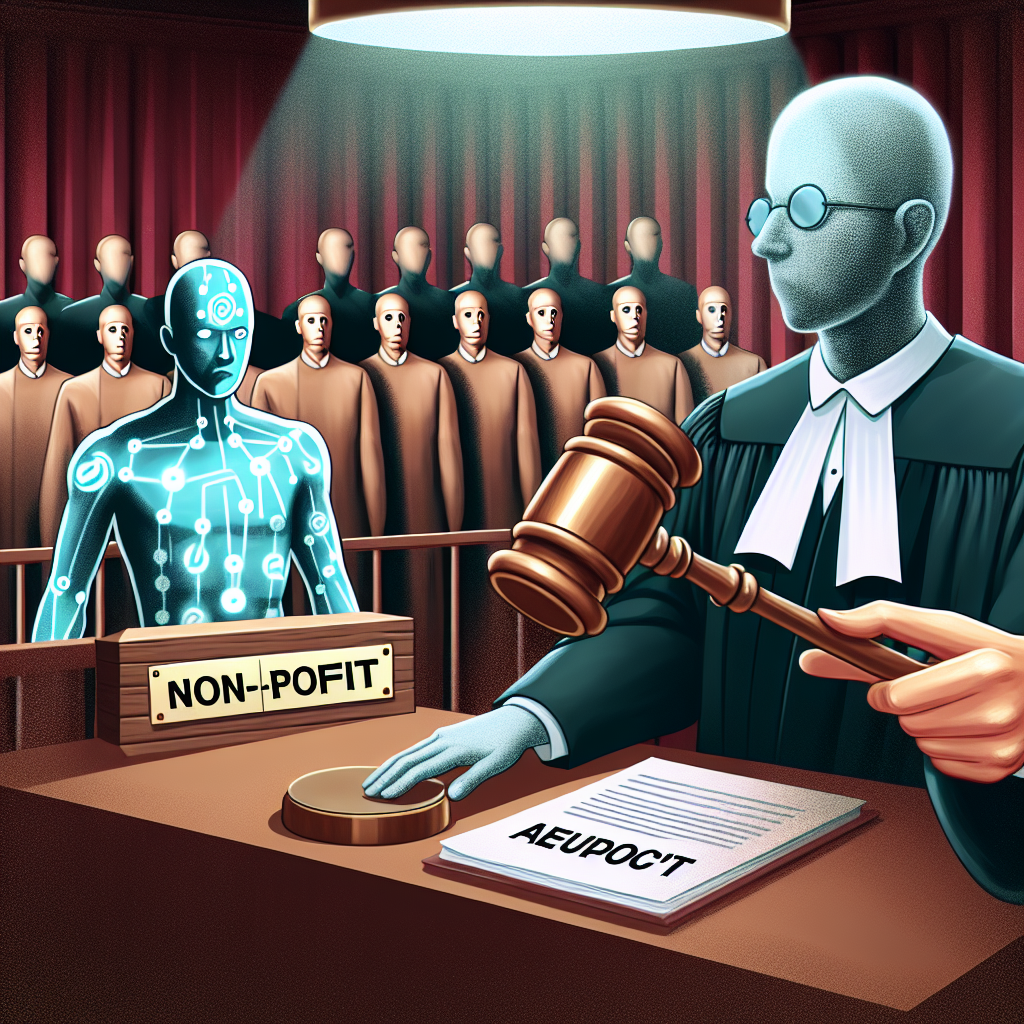
Elon Musk’s Legal Challenge Against OpenAI’s For-Profit Transition: What’s at Stake?
In a significant legal development, a judge has rejected Elon Musk’s attempt to block OpenAI’s transition to a for-profit model. This decision has stirred considerable interest, not just in the tech industry, but also among investors, AI enthusiasts, and legal experts. Why is this case so significant? What are the implications for OpenAI and the broader artificial intelligence community? In this article, we’ll delve into these questions and explore what’s really at stake in this groundbreaking case.
Introduction to the Case
OpenAI, founded in 2015, has always stood out for its unique approach to artificial intelligence. Initially established as a non-profit organization, OpenAI aimed to develop AI technologies while upholding safety and ethical standards. However, in 2019, OpenAI made a pivotal shift to a "capped-profit" model called OpenAI LP. This controversial move was designed to attract more funding to accelerate AI research and development. Elon Musk, one of the co-founders and key investors, opposed this transition, concerned about the potential risks and ethical implications.
Who is Elon Musk?
Elon Musk, the founder of companies like Tesla and SpaceX, is a prominent figure in both the tech and finance worlds. Known for his innovative approach and outspoken personality, Musk has been deeply involved in discussions about AI safety, ethics, and innovation. His concerns about OpenAI’s transition stem from a broader worry about how unchecked AI development could impact humanity.
The Legal Battle Unraveled
Why did Elon Musk file the lawsuit?
Musk’s main contention revolves around OpenAI’s shift to a for-profit model, which he argues could compromise the original mission of the organization.
Key Arguments Presented
-
Mission Drift: Musk argued that by transitioning to a for-profit model, OpenAI might drift from its founding mission of ensuring that AI benefits all of humanity.
-
Governance Concerns: The lawsuit raised questions about governance structures and whether they would prioritize shareholder aims over broader ethical obligations.
- Transparency Issues: Musk asserted that the new model might lead to less transparency in AI research and outcomes, which could be detrimental in addressing AI’s potential risks.
Court’s Decision
Despite Musk’s powerful arguments and reputation, the court ruled against his attempt to block the transition. The judge found that OpenAI’s restructuring plans adhered to legal standards and offered adequate checks to uphold ethical commitments.
Implications of the Court’s Decision
For OpenAI
- Access to Funding: By retaining the ability to attract more investors, OpenAI can now access crucial funding needed for research and development.
- Market Competitiveness: The decision allows OpenAI to compete more effectively with other tech giants in the AI sector.
For the AI Industry
- Catalyst for Discussion: This case has sparked discussions about the balance between innovation and ethics in AI.
- Regulatory Insights: The decision could serve as a precursor for future legal frameworks governing tech companies transitioning from non-profit to for-profit models.
The Reaction from the Public and Industry Experts
Diverse Opinions
-
Supporters of OpenAI: Many analysts and stakeholders believe the transition will inject much-needed resources into AI research, allowing for faster innovation.
- Critics and Skeptics: On the other hand, some argue that this move sets a dangerous precedent where financial incentives might overshadow ethical considerations in AI development.
Social Media Buzz
The case has been widely discussed on social media platforms, with #OpenAI and #ElonMusk trending on Twitter. Users express mixed emotions, showcasing the division in public opinion regarding the ethical implications of AI innovation.
Understanding OpenAI’s "Capped-Profit" Model
How It Works
OpenAI LP uses a unique capped-profit structure. Under this model, investors can earn a predetermined return on their investments, after which any excess profits are reverted to the original non-profit entity, ensuring that potential profits are redirected towards the organization’s mission.
Advantages of This Model
- Investor Appeal: It attracts investors who seek both financial returns and contributions to societal good.
- Mission Focused: It aligns investor interests with the foundational goals of promoting safe and ethical AI.
Future Considerations and Conclusion
What’s Next for OpenAI?
With this legal hurdle cleared, OpenAI has new avenues to explore, including diverse AI applications across industries. The organization is poised to further its mission through expanded resources and collaborations.
The Evolving Landscape of AI Ethics and Regulation
This case highlights a critical juncture for AI ethics and regulation. Policymakers and industry leaders must continue to evolve frameworks that balance innovation with public interest and ethical considerations.
In conclusion, while the rejection of Elon Musk’s attempt to block OpenAI’s for-profit transition represents a victory for OpenAI, it leaves open several vital questions about AI’s future trajectory. As AI continues to play a burgeoning role in global development, the conversations and decisions around ethical boundaries and profit-driven motives will only grow more significant.
Stay tuned to see how these developments unfurl and what they mean for the fascinating world of artificial intelligence.