
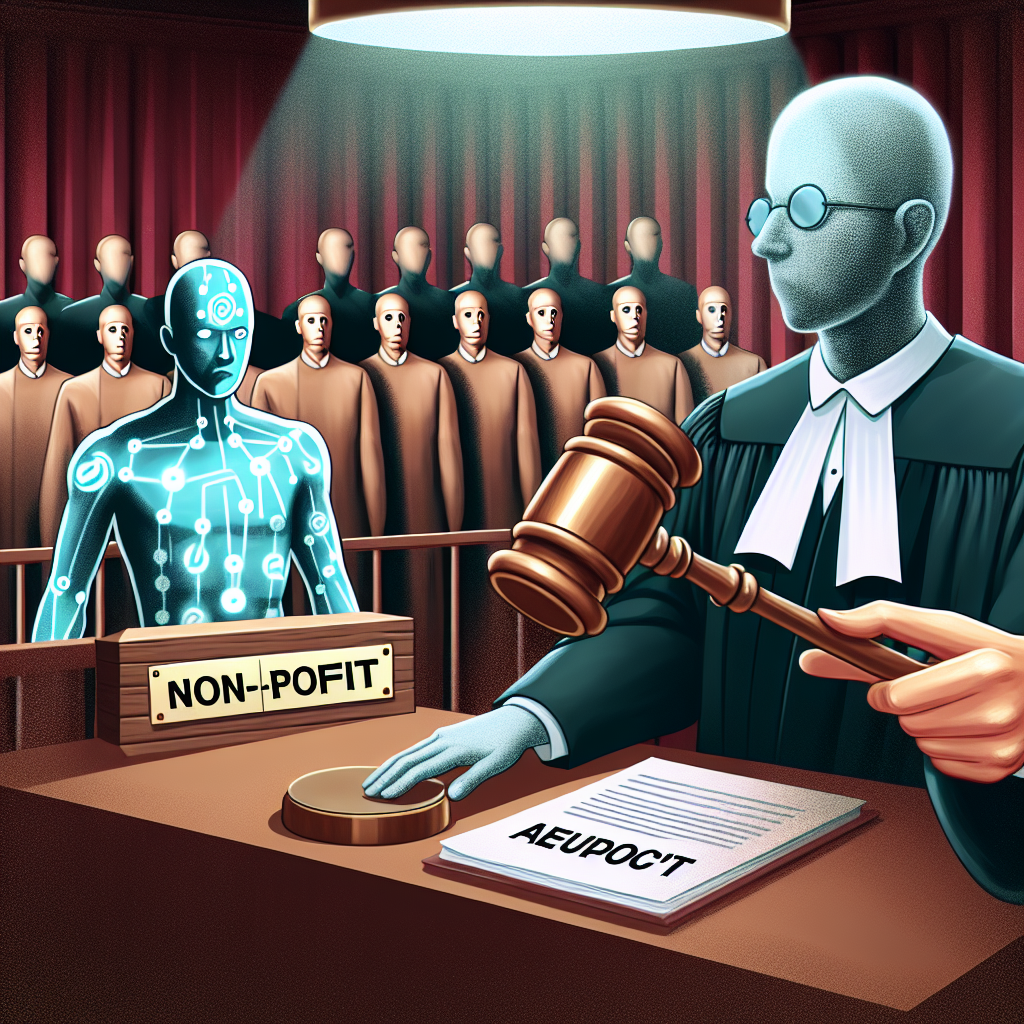
The Crucial Verdict: Judge Rejects Musk’s Challenge Against OpenAI’s For-Profit Expansion
In a landmark decision that could shape the future trajectory of artificial intelligence, a judge has rejected Elon Musk’s attempt to block OpenAI’s transition to a for-profit model. This verdict marks a significant pivot in the conversation around OpenAI, a leading organization in AI research and deployment, and has implications for stakeholders across the tech industry. Let’s delve into what this decision means for the AI sector, regulatory frameworks, and the roles of different players within the industry.
The Background: OpenAI’s For-Profit Transition
In recent years, OpenAI has been at the forefront of AI research, making headlines with its cutting-edge technologies and solutions. Initially set up as a non-profit organization in 2015, OpenAI had a clear mission: ensuring that artificial general intelligence (AGI) benefits all of humanity. This mission resonated with tech advocates, philanthropists, and industry leaders, leading to substantial investments, including significant contributions from Elon Musk.
Why Transition?
In 2019, OpenAI announced its transition to a capped-profit model, known as "OpenAI LP." This structure allows it to generate profits, thereby attracting more funding to support its expensive research endeavors. Transitioning to a for-profit model offers several advantages:
- Increased Funding: Enhanced ability to attract capital from investors.
- Resource Allocation: More flexibility in allocating resources for long-term projects.
- Innovation Opportunities: Greater freedom to pursue innovative projects requiring significant financial backing.
The Controversy
However, this shift to a for-profit model sparked concerns among some stakeholders, primarily regarding ethical considerations and the potential risk of compromising OpenAI’s founding mission. Elon Musk, one of the early proponents of OpenAI and its vision, voiced strong opposition to this transition, leading him to take legal action.
The Legal Battle: Musk vs. OpenAI
Elon Musk’s attempt to block OpenAI’s for-profit transition was based on several arguments:
- Breach of Trust: Musk claimed that the shift contradicts OpenAI’s original promise to remain a non-profit organization, ensuring transparent and equitable AI development.
- Mission Compromise: Concerns that the profit motives could supersede the mission to develop and utilize AI technology responsibly and for the greater good.
- Governance and Control: Fear of concentrated power and decision-making potentially leaning towards shareholder interests rather than global human benefits.
The Judge’s Verdict
In the recent ruling, the judge dismissed Musk’s case, asserting that:
- Legal Foundations: OpenAI was within its legal right to transition, having structured the capped-profit model under an appropriate regulatory framework.
- Organizational Autonomy: The transition was steered by OpenAI’s board and complied with necessary legal and procedural guidelines.
This verdict has further cemented OpenAI’s ability to operate as a for-profit organization while adhering to its mission-oriented framework, reshaping the future discourse in AI ethical considerations.
Implications for the Tech Industry
Innovations and Investments
The judge’s decision could usher in a new wave of investments in AI technologies by:
- Attracting venture capitalists and investors interested in backing profitable, cutting-edge AI projects.
- Encouraging startups to innovate with a scalable, revenue-oriented approach.
Ethical and Regulatory Considerations
While the decision underscores OpenAI’s freedom to pursue its strategies, it also highlights the urgent need for ongoing dialogue within regulatory circles:
- Balancing Profit and Ethics: There’s a growing requirement to find an equilibrium between profit-driven objectives and ethical guidelines.
- Policy Updates: This case could prompt policymakers to reevaluate and strengthen regulations governing AI development and corporate governance, ensuring equity and accountability.
Future of AI: What Lies Ahead?
OpenAI’s Path Forward
Moving forward, OpenAI remains a key player and might undertake initiatives such as:
-
Enhanced Transparency: Reaffirming its commitment to ethical practices and responsible AI use by making its research and findings openly accessible.
-
Collaborative Efforts: Strengthening partnerships with governments and educational institutions to align technological innovations with societal needs.
- Community Engagement: Inviting opinions and contributions from global communities, thereby maintaining an inclusive approach.
Broader Industry Impact
The decision’s ramifications extend beyond OpenAI, potentially influencing:
- Business Models: Setting a precedent for other non-profit tech organizations contemplating for-profit transitions.
- Tech Ecosystems: Encouraging innovation and competition, spurring growth in the AI sector across different geographies.
Conclusion: Navigating the Future of AI
The rejection of Musk’s attempt to block OpenAI’s for-profit transition embodies a pivotal moment in the AI domain, emphasizing the importance of strategic evolution and adaptability within technological landscapes. As AI continues to unveil its transformative potential, stakeholders across the spectrum—be it tech companies, policymakers, or individual innovators—must collaborate to navigate these changes, ensuring maximal benefits with minimal risks to society.
This unfolding narrative about Musk, OpenAI, and the broader implications of this legal decision beckons attention and discourse, as the AI community works collectively towards shared, ethical, and prosperous technological futures.