
Elon Musk’s Legal Challenge against OpenAI’s For-Profit Transition: What It Means for AI’s Future
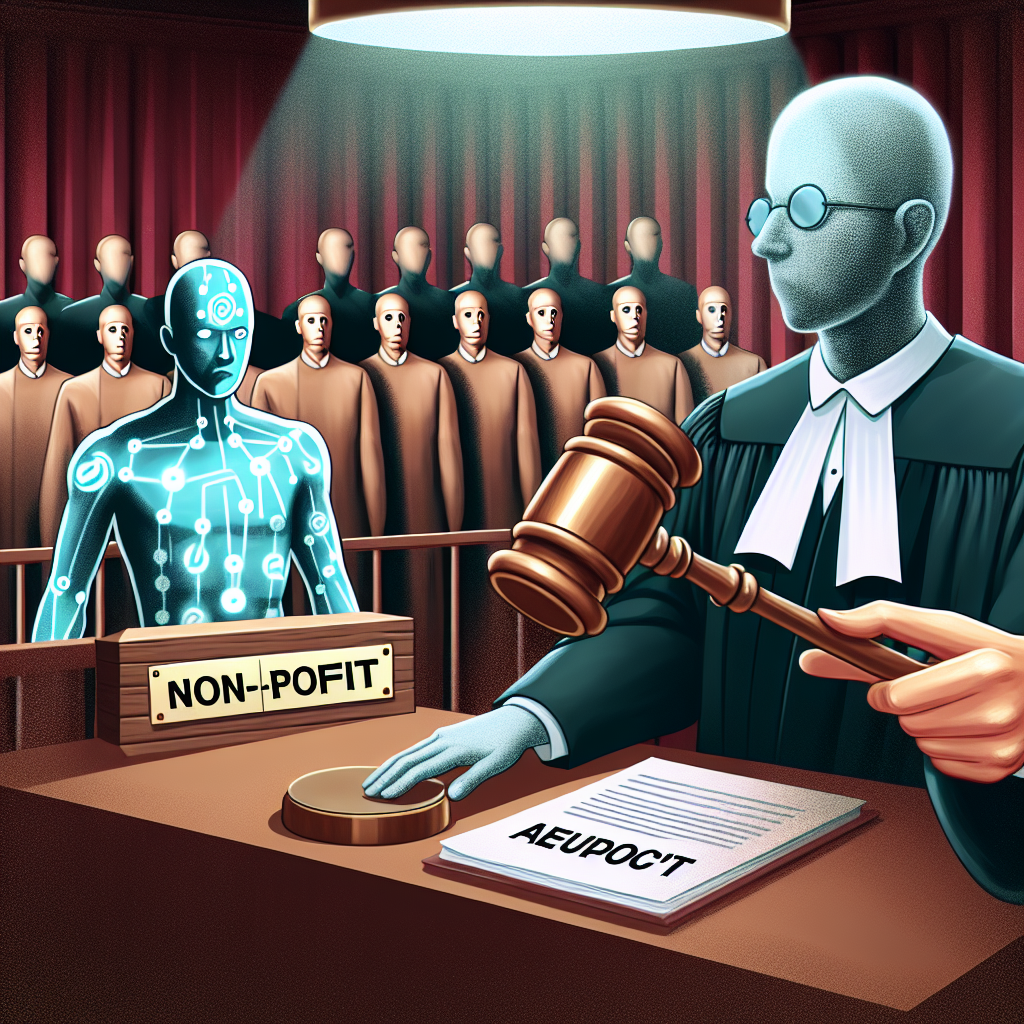
In a dramatic twist in the world of artificial intelligence, Elon Musk, a name synonymous with innovation and boundary-pushing tech, found himself on the losing end of a legal battle against OpenAI. Musk attempted to block OpenAI’s controversial shift to a for-profit model, but a judge recently rejected his efforts. This headline-grabbing saga unfolds a crucial chapter in the artificial intelligence narrative, prompting questions about motivations, the ethical use of AI, and the future of open-source innovation.
Introduction: The Rise of OpenAI
Founded with the noble aim of advancing digital intelligence for the benefit of humanity, OpenAI has played an influential role in developing groundbreaking AI technologies. Initially established as a non-profit, OpenAI garnered widespread attention and support, including substantial financial investments from tech luminaries like Elon Musk himself.
However, as OpenAI transitioned to the "OpenAI LP" model, a capped-profit version of its non-profit origins, entrepreneurial vision converged with commercial imperatives. The shift aimed to attract more capital by offering returns up to 100 times the original investment, which they argued was necessary to maintain a competitive edge in the fast-evolving AI ecosystem.
Musk’s Legal Objection: Understanding the Battle
What Motivated Musk’s Legal Action?
Elon Musk’s involvement in AI is multifaceted, with stakes in several ventures that revolutionize computing and autonomy, like Tesla’s self-driving technology. Before departing from OpenAI’s board, Musk was deeply involved with its mission. His opposition to OpenAI’s for-profit transition raised eyebrows, especially given his prior contributions and involvement with the organization.
Key concerns that sparked Musk’s legal challenge included:
- Ethical Concerns: Musk has long been outspoken about the potential risks of unchecked AI development. He believed transitioning to a for-profit model could compromise OpenAI’s ethical commitment to responsible AI deployment.
- Vision Divergence: The transition was seen as departing from the original vision Musk and other contributors championed at inception—a commitment to open-source principles that benefit humanity without corporate strings attached.
- Competitive Impact: As someone invested in AI’s impact on society, Musk feared that OpenAI’s profit-driven pivot might influence innovation directions in ways that prioritize financial return over advancement in AI ethics and safety.
The Legal Grounds and Outcome
Musk’s legal challenge hinged on procedural and ethical arguments, arguing that the transition violated the foundational principles of OpenAI and breached managerial agreements. However, a judge ultimately rejected these arguments.
Key judgements elaborated included:
- No Breach in Agreements: The court found that OpenAI’s shift did not constitute a fundamental breach of the agreements Musk had with the non-profit.
- Strategic Evolution: The judge recognized that evolving business models might be necessary for sustainability and innovation in fast-growing fields like AI, thus the for-profit pivot was deemed a legitimate strategy.
Implications for the AI Industry
Impact on Open-Source AI
The shift from non-profit to a capped-profit structure could have several implications for open-source AI innovations:
- Investment and Growth: The new model potentially broadens investment horizons, drawing in bigger investors eager for returns. This could catalyze significant growth in OpenAI’s R&D initiatives, leading to faster technological advancements.
- Access and Collaboration: Critics argue it may affect the accessibility of AI tools and collaboration potential across smaller, non-profit-driven research bodies or academic institutions who rely on open resources.
Ethical Considerations and Future Risks
The legal debate underlines significant ethical concerns within the AI community:
- Transparency: Transitioning models bring into question the transparency with which AI technologies are developed, deployed, and commercialized. As AI reaches ever deeper into societal operations, maintaining public trust through clear ethical guidelines becomes paramount.
- AI Responsibility: Profit motives might amplify the risk of prioritizing commercial gain over ethical AI deployment, potentially increasing the magnitude of AI biases or misuse in real-world applications.
Conclusion: What Lies Ahead for OpenAI and AI Development
The court’s decision marks a pivotal point for OpenAI, drawing a line in the sand about the acceptable bounds of evolving business models for tech-oriented non-profits. As OpenAI continues its pursuit of cutting-edge AI, it remains crucial to scrutinize how its commercial decisions align with its foundational ethics, and its broader impacts on the AI ecosystem.
For Elon Musk and AI advocates concerned about the trajectory of technological ethics, it presents a call to action—to engage with global AI directions actively and constructively. It underlines an urgent need for concerted efforts across the industry to safeguard the delicate balance between innovation, economic interest, and public responsibility.
This unfolding narrative in AI’s development reminds us of the complexities intertwined with technology’s potential vs. its responsibility—a dance between what could be done and what should be done as AI continues to reshape the future.