
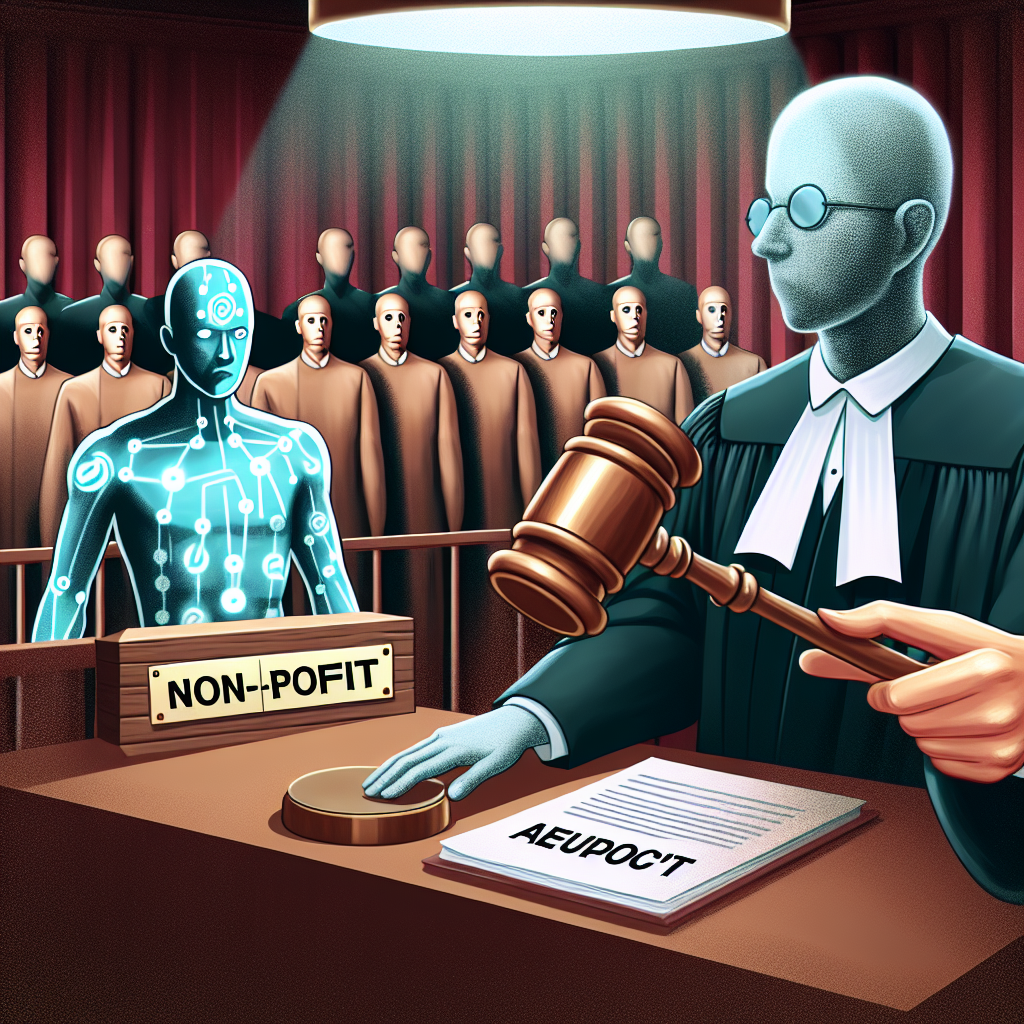
Judge Rejects Elon Musk’s Bid to Halt OpenAI’s For-Profit Shift: What This Means for AI Innovation
In recent months, the tech industry has been buzzing with the news surrounding Elon Musk’s legal battle to prevent OpenAI’s shift from a non-profit to a for-profit entity. The legal dispute underscores the broader ethical and commercial intrigues permeating the artificial intelligence landscape. With a judge recently ruling against Musk’s bid, there are significant implications for the future of AI development, investment dynamics, and ethical governance. This article delves into the heart of the matter, exploring what the ruling means for OpenAI, the tech community, and society at large.
What Led to the Legal Showdown?
To comprehend the nuances of this story, let’s first look at the backstory. OpenAI, initially founded as a non-profit by high-profile tech icons like Elon Musk and Sam Altman, aimed to advance artificial intelligence in a manner beneficial to humanity. However, the landscape of AI research and investment saw dramatic shifts.
The Birth of OpenAI: A Non-Profit’s Promise
- Mission Statement: Established in December 2015, OpenAI promised to foster safe and transparent AI technologies.
- Ethical AI: The organization aimed to counteract the profit-driven ethos reigning in Silicon Valley by prioritizing ethical research practices.
A Shift in Strategy: From Non-Profit to For-Profit
- Funding Constraints: OpenAI’s ambitious projects demanded escalating financial resources, necessitating a rethink in strategy.
- ’Capped-Profit’ Conversion: Transitioning to a for-profit model operated under a unique structure termed as “capped-profit”.
Why Did Musk Challenge the Transition?
Elon Musk’s dissatisfaction stemmed from foundational disagreements about AI safety and transparency. As OpenAI veered towards seeking external investment and shifting its governance framework, Musk expressed concerns over conflicting interests and distorted organizational purpose.
The Court’s Verdict: Musk’s Motion Denied
A pivotal juncture in this saga was reached when the judge ruled against Elon Musk’s motion to halt the transition of OpenAI.
The Legal Rationale
- Structural Legitimacy: The decision highlighted the legal soundness of OpenAI’s transition framework.
- Governance Safeguards: Emphasis was placed on novel governance strategies that ensured adherence to OpenAI’s core mission even within a profit-oriented model.
Implications of the Ruling
The decision is emblematic of a broader acceptance within the legal environment towards innovative governance structures that maintain ethical rigor while leveraging for-profit incentives.
Potential Impacts on the AI Ecosystem
This legal victory for OpenAI could significantly alter the landscape of AI research.
Enhanced Investment Opportunities
- Attracting Venture Capital: OpenAI’s for-profit model unlocks substantial avenues for investment, potentially accelerating research breakthroughs.
- Risk of Monopolization: The for-profit approach may centralize AI resources within a few entities, raising ethical concerns.
Shifts in Competitive Dynamics
- Innovation Race: The ruling could trigger other non-profits in the tech space to consider similar conversions to remain competitive.
- Ethical and Regulatory Frameworks: There’s an urgent need for developing robust ethical guidelines to monitor such transitions.
Ethical Considerations and Industry Reactions
While the ruling is a legal triumph for OpenAI, it evokes critical discussions on ethical AI development.
Public Sentiment and Tech Industry Responses
- Endorsement vs. Criticism: Industry veterans and ethicists are divided, with some advocating for resource influx potential and others wary of profit-centered motives overtaking ethical considerations.
- Call for Transparency: Many emphasize the continued necessity for OpenAI to operate with full transparency and commitment to human-centric AI.
A Tipping Point in AI Governance
The Road Ahead for OpenAI
- Balancing Acts: Maintaining equilibrium between profitability and ethical responsibilities will be crucial.
- Focus on Safe AI: Continued dedication towards ensuring AI applications uphold societal safety and benefit is imperative.
Broader Implications for AI Policy and Regulation
The culmination of OpenAI’s legal journey could spur policymakers to reassess current AI-related legislative frameworks to better oversee profit-driven tech transformations.
Conclusion: Navigating the Future of AI Development
The rejection of Musk’s legal attempt marks a transformative chapter for OpenAI and the tech ecosystem. The interplay of innovation, investment, and governance that resulted from this significant legal precedent is likely to reverberate across all tech-driven sectors. As OpenAI embarks further into for-profit territory, the tech community and policymakers will be closely observing how it navigates this newfound direction, ensuring that the strides made in artificial intelligence remain aligned with the ethos of benefiting humanity, first and foremost.
This unfolding narrative invites continuous dialogue on the merits and challenges of evolving business models in tech landscapes. As we stand at the cusp of rapid AI evolution, continual reflection and engagement with all stakeholders will be crucial in shaping a responsible digital future.