
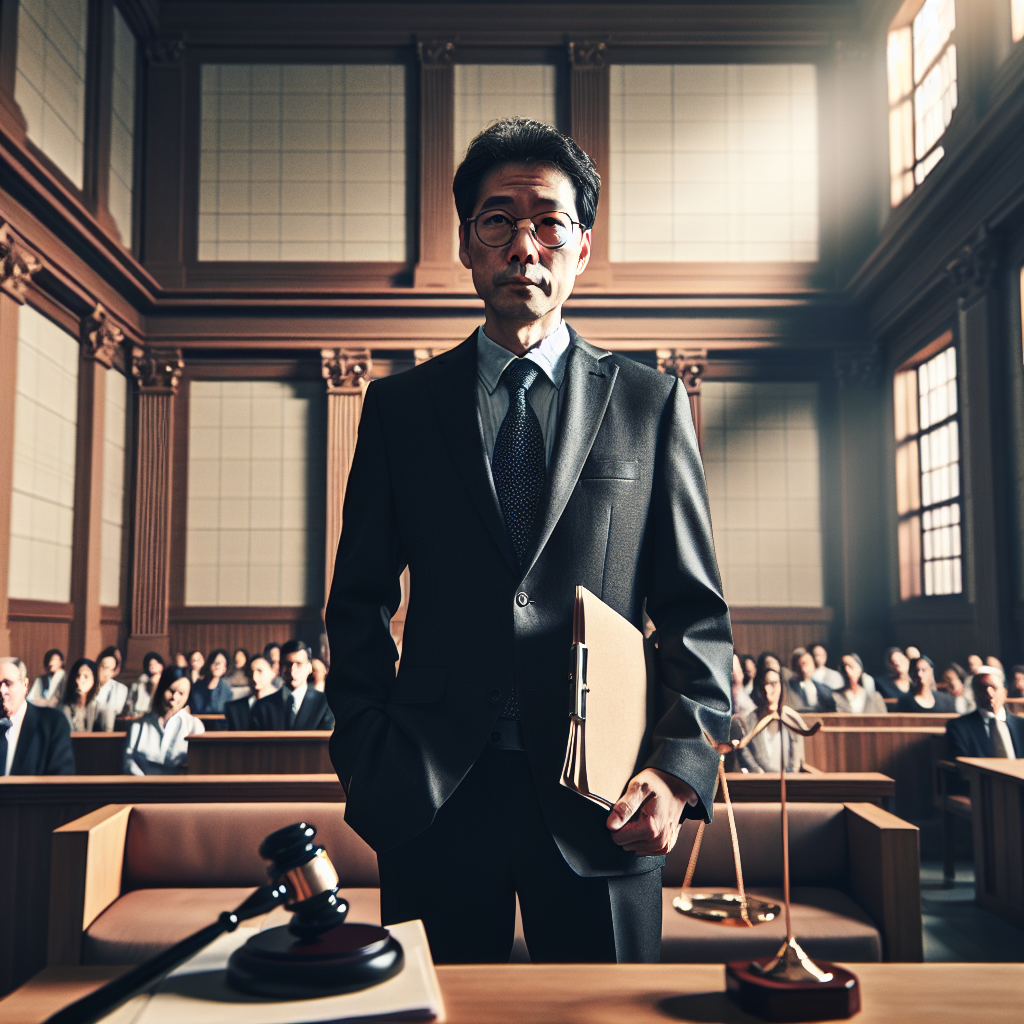
AI Copyright Conundrum: Key Ex-OpenAI Researcher Subpoenaed
In the rapidly evolving field of artificial intelligence, legal and ethical issues often intersect, creating a complex landscape for companies and researchers to navigate. The recent news surrounding a key ex-OpenAI researcher being subpoenaed in a high-profile AI copyright case underscores the rising importance of these intersections. As AI technology continues to advance and proliferate, the boundaries of intellectual property rights are being tested, leading to significant legal challenges and implications.
The Rise of AI and Copyright Challenges
Artificial intelligence has revolutionized multiple industries, from healthcare to entertainment, with its ability to process vast datasets and generate outputs ranging from simple text to complex art. However, this technological advancement has also given rise to new challenges in the domain of copyright law. AI systems often utilize large datasets, which might contain copyrighted material, raising the question of ownership and rights.
Understanding Copyright Issues in AI
At the heart of the AI copyright debate are several core issues:
-
Data Ownership: When AI algorithms use copyrighted material to train their models, questions of who owns the final output—whether it be a piece of art, text, or music—arise.
-
Infringement Concerns: There’s a fine line between training AI models on existing content and outright copying. Critics often raise concerns about potential copyright infringement when AI-generated content closely resembles its source material.
- Legal Precedents: As this is a relatively new frontier, established legal precedents are sparse. This uncertainty creates a challenging environment for companies, researchers, and legal professionals.
The Subpoena: What Does It Entail?
The subpoena issued to the ex-OpenAI researcher is a significant development that highlights the growing scrutiny on AI research practices. But what are the specifics of this subpoena?
Context Behind the Subpoena
The case involves allegations that an AI model, developed with contributions from the subpoenaed researcher, may have used copyrighted material beyond permissible use. This model reportedly has generated content closely resembling works protected by copyright, prompting legal action.
A Closer Look at the Allegations
The allegations focus on three main areas:
-
Unauthorized Use of Data: Claims that the dataset used for training included copyrighted materials without obtaining proper permissions.
-
Output Similarity: Concerns that the AI-generated outputs share a significant likeness with copyrighted works, raising red flags about potential copying or cloning.
- Involvement of Key Individuals: The subpoena seeks to determine the role played by certain individuals, including the ex-OpenAI researcher, in the development and deployment of the contested AI model.
Implications for the AI Industry
This case serves as a pivotal point for the AI industry, highlighting the broader implications of copyright disputes in technology development.
Legal Ramifications
The legal outcomes of such cases can set important precedents. Some potential ramifications include:
-
Stricter Data Usage Protocols: Organizations might face stricter regulations on the types of data they can use for training AI models, necessitating more rigorous compliance checks.
-
Increased Litigation Risk: As the boundaries of AI and copyright law are tested, companies might face increased litigation related to their AI outputs.
- Revised Licensing Agreements: Companies may need to rethink their licensing strategies, ensuring that all data used in training is appropriately licensed or sourced.
Ethical and Regulatory Considerations
Beyond legal aspects, there are broader ethical and regulatory considerations:
-
Transparency and Accountability: Cultivating a culture of transparency in data usage and AI development can mitigate risks and build trust with consumers and stakeholders.
- AI Governance Frameworks: Establishing clear governance frameworks can guide ethical AI development and deployment, aligning with societal values and legal requirements.
The Road Ahead for AI and Copyright
As AI technology continues to transform industries and societies, ongoing dialogue and collaboration between legal experts, technologists, and policymakers will be crucial.
Fostering Innovation While Protecting Rights
Balancing innovation with intellectual property protection is essential for sustainable progress. Encouraging open dialogues and collaborative efforts can lead to meaningful solutions that respect both creators’ rights and technological advancement.
Driving Forward with Clear Guidelines
To navigate the complex territory of AI and copyright, establishing clear guidelines and legal frameworks is critical. These should provide clarity for organizations and researchers, outlining acceptable practices and encouraging responsible innovation.
Conclusion
The subpoena of a key ex-OpenAI researcher in a landmark AI copyright case reflects the crucial need to address intellectual property challenges in the era of rapidly advancing technology. As AI reshapes industries, navigating the delicate balance between innovation and copyright protection will determine the long-term success of this transformative technology. Through collaborative efforts in establishing legal and ethical guidelines, the AI community can uphold both innovation and the rights of original creators, paving the way for a fair and prosperous technological future.