
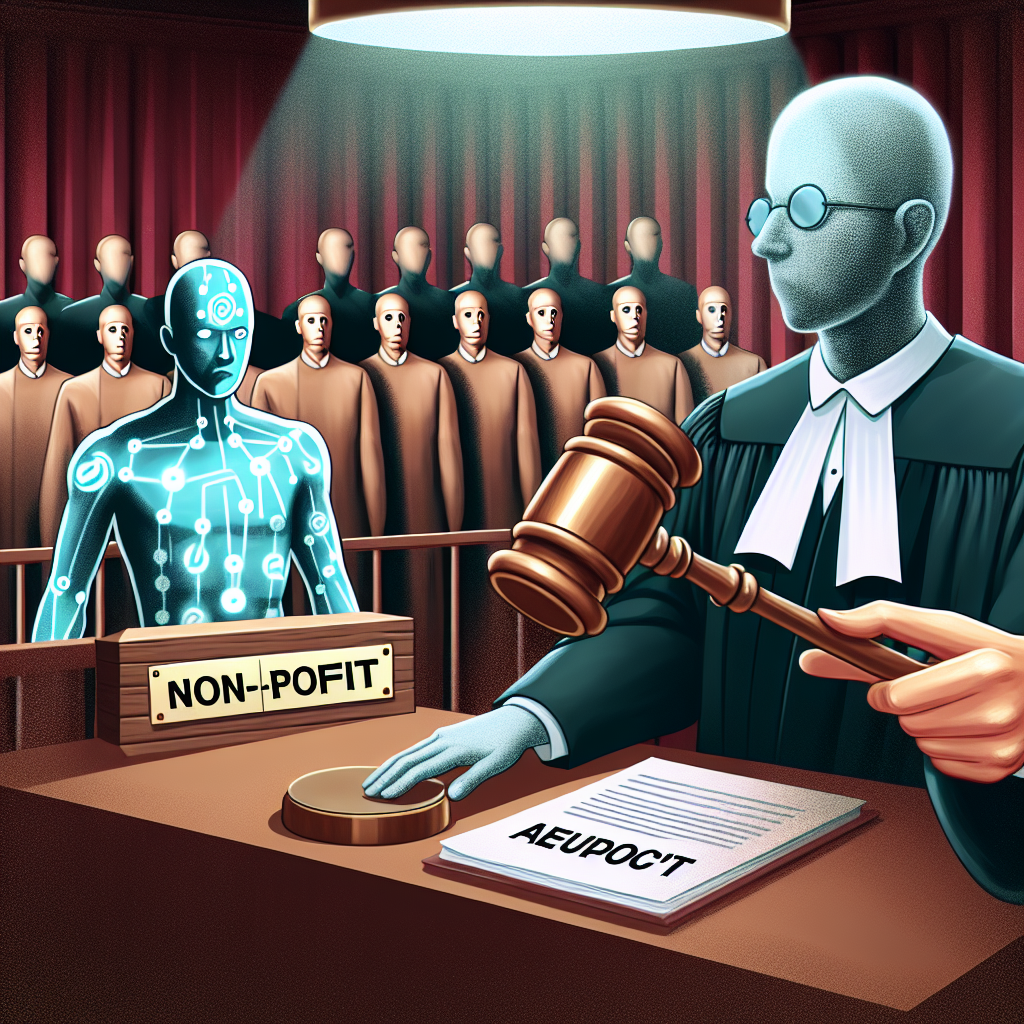
Judge Rejects Musk’s Bid to Block OpenAI’s For-Profit Shift: A New Era for AI Development?
In recent months, the tech world has been buzzing with discussions surrounding Elon Musk’s failed attempt to prevent OpenAI’s transition into a for-profit entity. This controversial move has stirred debates and raised questions about the future of artificial intelligence (AI) innovation and governance. Understanding the implications of this transition is crucial, not only for industry stakeholders but also for the general public who are increasingly affected by advancements in AI.
Understanding the OpenAI Shift: What Does It Mean?
OpenAI, established in 2015, embarked on a mission to ensure that artificial general intelligence (AGI) benefits all of humanity. Initially set up as a non-profit organization, it has been at the forefront of AI research, aiming for transparency and ethical stewardship. However, the non-profit approach faced financial constraints, which led to the controversial shift towards a "capped-profit" model in 2019. This transition laid the groundwork for attracting significant investments, allowing OpenAI to push the boundaries of AI development.
From Non-Profit to ‘Capped-Profit’: What’s the Difference?
- Non-Profit Model: Focus on research for public good, limited resources, more control over ethical considerations.
- Capped-Profit Model: Structure designed to grant profits to investors up to a threshold, beyond which funds are redirected towards the initial altruistic goals.
This shift raises essential questions about balancing innovation with ethical and equitable distribution of AI advancements. While the capped-profit model preserves some original altruistic intentions, critics argue it might compromise transparency and prioritize commercial interests.
Musk’s Concerns: Why Was He Opposed?
Elon Musk, a co-founder of OpenAI, has been vocal about his concerns regarding AI safety. He believes that unregulated, profit-driven AI development could pose existential threats.
Key Arguments from Musk:
- Safety and Control: Musk argues that financial incentives could overshadow safety protocols, leading AI development in potentially dangerous directions.
- Transparency: There is a fear that the shift might reduce the openness with which AI models are shared with the research community and the public.
- Alignment with Initial Mission: Musk contends that the shift deviates from OpenAI’s foundational mission to democratize AI.
Court’s Decision: Why Was Musk’s Bid Rejected?
The legal proceedings surrounding Musk’s attempt to block this transition were complex. The judge’s decision reflects confidence that OpenAI’s move complies with legal standards and that its "capped-profit" model aligns sufficiently with non-profit principles to maintain its foundational mission.
Critical Reasons for the Rejection:
- Legality: The transitional model abides by existing laws regarding hybrid and alternative business structures for tech companies.
- Company Autonomy: The court upheld OpenAI’s right to determine its operational model based on strategic and financial needs.
- Investment Rationale: The move was deemed necessary for attracting the financial resources required to sustain large-scale AI research and development.
Implications on AI and Tech Industry
The outcome of this legal contest can potentially shape the future landscape of AI development and its governing frameworks. Several implications arise from this shift:
- Investment Opportunities: Encourages more significant investment in AI research, thereby accelerating technological breakthroughs.
- Competitive Landscape: Opens the field for other tech companies to adopt similar models, potentially leading to a more dynamic market.
- Ethical Considerations: Highlights the need for robust ethical frameworks that balance profit motives with societal benefits.
Impact on AI Governance
This case underscores the need for effective AI governance models that can ensure ethical development while supporting innovation. The following considerations are crucial:
- Regulatory Bodies: Development of stronger regulatory bodies to oversee AI companies transitioning from non-profit to profit-oriented models.
- Public Communication: Improved strategies for public communication to ensure transparency and build trust with stakeholders.
Conclusion: A New Chapter for AI
The landmark decision to reject Musk’s appeal spotlights a pivotal moment in the AI industry. OpenAI’s shift to a for-profit model underlines the balancing act between innovation, financial viability, and ethical responsibility. While this move might facilitate larger-scale advancements in AI technology, it is crucial for the tech community and regulators alike to ensure that these developments benefit humanity as a whole.
Key Takeaways:
- The focus must remain on aligning profit motives with public good.
- OpenAI’s transition may set a precedent for future AI governance models.
- Collaboration between regulatory frameworks and tech innovators is integral for safeguarding AI’s role in society.
As we advance into a future that thrives on AI, OpenAI’s journey will undoubtedly serve as a compelling case study in navigating the complex interplay of innovation, ethics, and economic imperatives.