
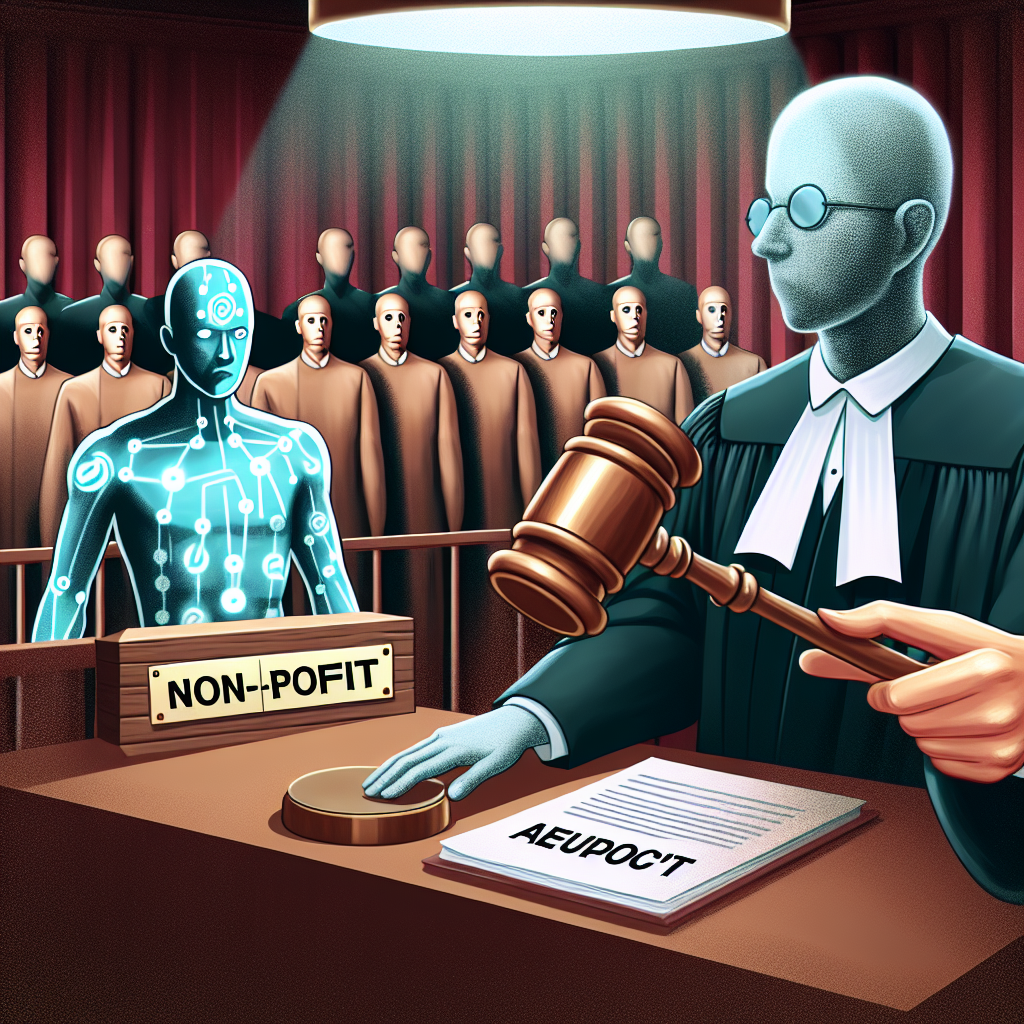
Judge Rejects Musk’s Attempt to Block OpenAI’s For-Profit Transition: What It Means for AI Ethics and Innovation
Introduction
In the dynamic world of artificial intelligence (AI), few names resonate as prominently as Elon Musk and OpenAI. Recently, a judge’s decision rejecting Musk’s attempt to block OpenAI’s transition into a for-profit entity has created ripples across the tech industry. But what does this judgment mean for the future of AI ethics, innovation, and the industry’s competitive landscape? In this article, we dive deep into the implications of this decision, the historical context behind the conflict, and what it means for stakeholders involved.
Background: OpenAI’s Origins and Mission
OpenAI was founded in December 2015 with the mission to ensure that artificial general intelligence (AGI) benefits all of humanity. The organization attracted wide attention, not only because of its ambitious goals but also because of its notable founders, including Elon Musk. Initially set up as a non-profit, OpenAI aimed to make breakthroughs in AI research and ensure these advancements were shared freely.
The Shift Toward For-Profit
In 2019, OpenAI made a striking shift from its original non-profit structure to what it termed a "capped-profit" model, formally known as OpenAI LP. This hybrid structure allows it to attract investors while stating that profits would be capped, and surplus would support its broader altruistic mission. This transition stirred up significant controversy as it indicated a shift in priorities and raised questions on transparency, benefaction, and control.
Musk’s Concerns and Legal Action
Musk’s Role and Concerns
Elon Musk, initially a supporter, had voiced concerns over the direction in which OpenAI was heading. Musk, who is well-known for his statements about the potential existential risks posed by unregulated AI, worried that the move to a for-profit model might prioritize profit over the foundational ethos of the organization.
- Risk to Public Good: Musk argued that a focus on profit could compromise OpenAI’s pledge to openly share its work, thereby posing risks to public knowledge and oversighting on AI development.
- Competitive Conflict: Since Tesla is heavily invested in AI for autonomous driving, Musk also raised concerns about a conflict of interest, fearing that proprietary advancements could unfairly edge out competitors.
The Legal Dispute
The legal battle saw Musk attempting to legally halt OpenAI’s transition, focusing on the integrity of commitments made to stakeholders and the community when OpenAI was initially established. Musk’s opposition posed several essential questions:
- Did OpenAI breach its initial promise to the public?
- Does the new structure allow unchecked commercialization of AI technology?
The Judgment and Its Implications
The Court’s Decision
The court ultimately ruled against Musk, allowing OpenAI to pursue its "capped-profit" path. The decision was based on the legal interpretation of OpenAI’s organizational flexibility, framed in its foundational documents, which gave it leeway to adjust its operating structure to meet evolving challenges and technological landscapes.
Implications for AI Ethics
- Transparency Concerns: There remains a critical lens on how OpenAI ensures transparency when its priorities involve profit. The AI community and ethical watchdogs may need to vigilantly monitor OpenAI’s publications and collaborations.
- Ethical AI Development: The decision nudges a discussion on ethical development in AI, pushing companies towards frameworks that balance financial interests with societal good.
Implications for Innovation and Business
- Funding and Growth: The "capped-profit" model might serve as a novel approach to harnessing venture capital while aligning with ethical considerations – a framework future AI organizations may look to adopt.
- Competitive Dynamics: With greater funding access, OpenAI can spearhead more advanced AI innovations, influencing market dynamics and competitive strategies significantly.
OpenAI’s Strategic Path Forward
Maintaining Ethical Integrity
Despite moving towards a profit-driven model, OpenAI has reiterated its commitment to ethical AI development. This involves crucial actions such as:
- Open Collaboration: Foster partnerships with universities and other organizations to ensure knowledge sharing.
- Preventing Misuse: Developing robust policies to prevent misuse of its AI systems.
Exploring Collaboration
OpenAI’s widened access to resources could facilitate more significant collaborations between the for-profit and non-profit sectors, driving innovative AI research and solutions addressing global challenges.
Conclusion
The judge’s decision to dismiss Musk’s attempt to obstruct OpenAI’s profit-driven shift signifies a critical juncture in the AI industry’s maturation—a testament to the complex interplay between innovation, ethics, and commerce. While concerns remain about transparency and losing sight of public goods, this move presents opportunities to redefine how advanced technologies can responsibly grow in today’s rapidly evolving landscape.
As AI steadily becomes a central element in shaping global industries, the unfolding dynamics around OpenAI will serve as an insightful case study on navigating ethical responsibility and innovative growth harmoniously. Stakeholders — from developers and companies to policymakers and the global community — will play pivotal roles in determining the trajectory of AI’s societal impact.