
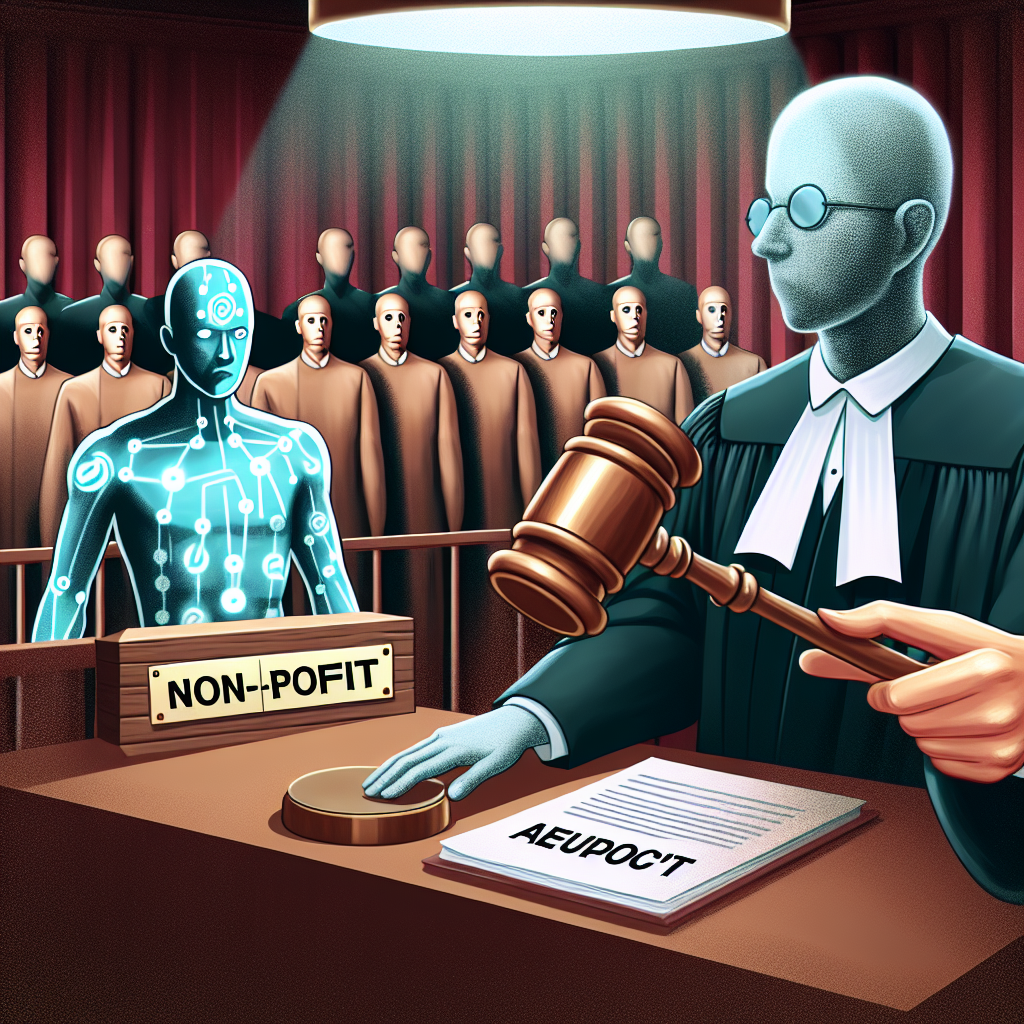
Legal Battle Over OpenAI: Why the Court Ruled Against Elon Musk’s Bid to Halt the For-Profit Shift
In a landmark decision, the legal proceedings surrounding OpenAI’s transition into a for-profit company have taken a significant turn. A judge has rejected Elon Musk’s attempt to block this transformation, allowing OpenAI to continue its path towards profit-making, a move that’s been under scrutiny for some time. But why did Musk oppose this transition? What does this mean for OpenAI’s mission and the tech industry at large? Let’s dive deep into these questions.
The Background: What is OpenAI and Why It Matters
OpenAI, founded in 2015, quickly rose to prominence with a mission to ensure that artificial general intelligence (AGI) benefits all of humanity. Initially established as a non-profit research organization, OpenAI’s ambitious goals centered around democratizing access to AI technologies. However, in 2019, OpenAI announced a controversial shift to a "capped-profit" model through the creation of OpenAI LP. This move aimed to attract larger funding, necessary for extensive research and development, by allowing investors a limited return on their investments.
- Founders: Elon Musk, Sam Altman, Greg Brockman, Ilya Sutskever, Wojciech Zaremba, and John Schulman.
- Funding: Raised a billion dollars from investors like Microsoft.
- Mission: Ensure AGI promotes human flourishing.
Why Did Elon Musk Challenge OpenAI’s For-Profit Transition?
Elon Musk, one of OpenAI’s founding members, was a vocal critic of the shift towards the for-profit model. Here’s why Musk opposed the transition:
- Conflict with Initial Vision: Musk believed the for-profit shift might divert OpenAI’s resources away from public interest and more towards maximizing shareholder value.
- Ethical Concerns: The shift might prioritize profit over safety measures that are crucial in managing AGI technologies responsibly.
- Transparency Issues: A commercial focus could lead to less openness in research findings and innovations.
Key Arguments Presented by Musk
- Mission Drift: Argued that the financial model shift undermines OpenAI’s original mission.
- Increased Risk: Suggested that the drive for profit could increase risks associated with cutting-edge AI technologies.
The Court’s Decision: Analyzing the Verdict
In a decisive blow to Musk’s efforts, the judge ruled against his motion to prevent OpenAI’s transition. Here’s a look at the court’s reasoning:
- Legal Structure: The transformation of OpenAI from a non-profit to a "capped-profit" entity was legally sound and within the bylaws set by the organization’s initial framework.
- Intent and Purpose: The court recognized that the new model still aligns with the purpose of promoting and developing AI technologies for the benefit of humanity.
- Financial Sustainability: The judge acknowledged the financial realities of AI research and the need for substantial investment to continue advancements in the field.
Implications for OpenAI
- Funding and Resources: The ruling allows OpenAI to continue securing necessary funding from investors.
- Innovation and Development: With greater resources, OpenAI is poised to enhance its research capabilities, contributing to more significant advancements in AI.
- Operational Flexibility: The decision grants OpenAI operational flexibility to adapt to the fast-evolving tech landscape.
What the Ruling Means for the Tech Industry
The decision to uphold OpenAI’s for-profit transition has broader implications for the tech world and how it’s shaping the future of AI.
For AI Research Organizations:
- New Funding Models: This ruling could encourage other AI-research organizations to explore for-profit or hybrid models to balance mission and monetization.
- Increased Competition: As funding channels broaden, new players may enter the AI market, elevating the competition.
For Investors:
- Growing Opportunities: Investors now see viable avenues for financial returns in ethically-grounded AI development.
- Enhanced Collaboration: The decision fosters greater cooperation between the tech sector and financial markets, propelling innovation.
For Society:
- Ensuring Ethical AI: With increased scrutiny, it’s crucial to ensure AI technologies are developed within ethical boundaries.
- Balancing Profit and Public Benefit: The tech industry will be closely monitored to maintain this balance.
Conclusion: Navigating the Future of AI Development
The judge’s decision marks a pivotal moment not just for OpenAI, but for the potential of AI technologies as a whole. It presents a nuanced approach where innovation meets ethical considerations in a profit-centric world. As OpenAI continues on this trajectory, it sets a precedent for entities aiming to retain alignment with public interest while harnessing commercial resources.
This ruling may serve as a blueprint for others navigating the complex world of AI technology development, demonstrating the intricate dance between vision, ethics, and funding in pushing the frontiers of what’s possible with artificial intelligence. The tech industry, investors, and the public will undoubtedly be watching closely as this story unfolds further.
Key Takeaways:
- The approval of OpenAI’s transition marks a significant transformation in the AI field.
- Aligning profit motives with public good remains a contentious and critical element of AI development.
- The balance between financial sustainability and ethical responsibility will continue to define the future roadmap for organizations similar to OpenAI.
By understanding these dynamics, stakeholders across sectors can better prepare as they navigate the rapidly changing landscape of technology-driven innovation.