
Elon Musk’s Legal Setback: Understanding the Implications of OpenAI’s For-Profit Transition
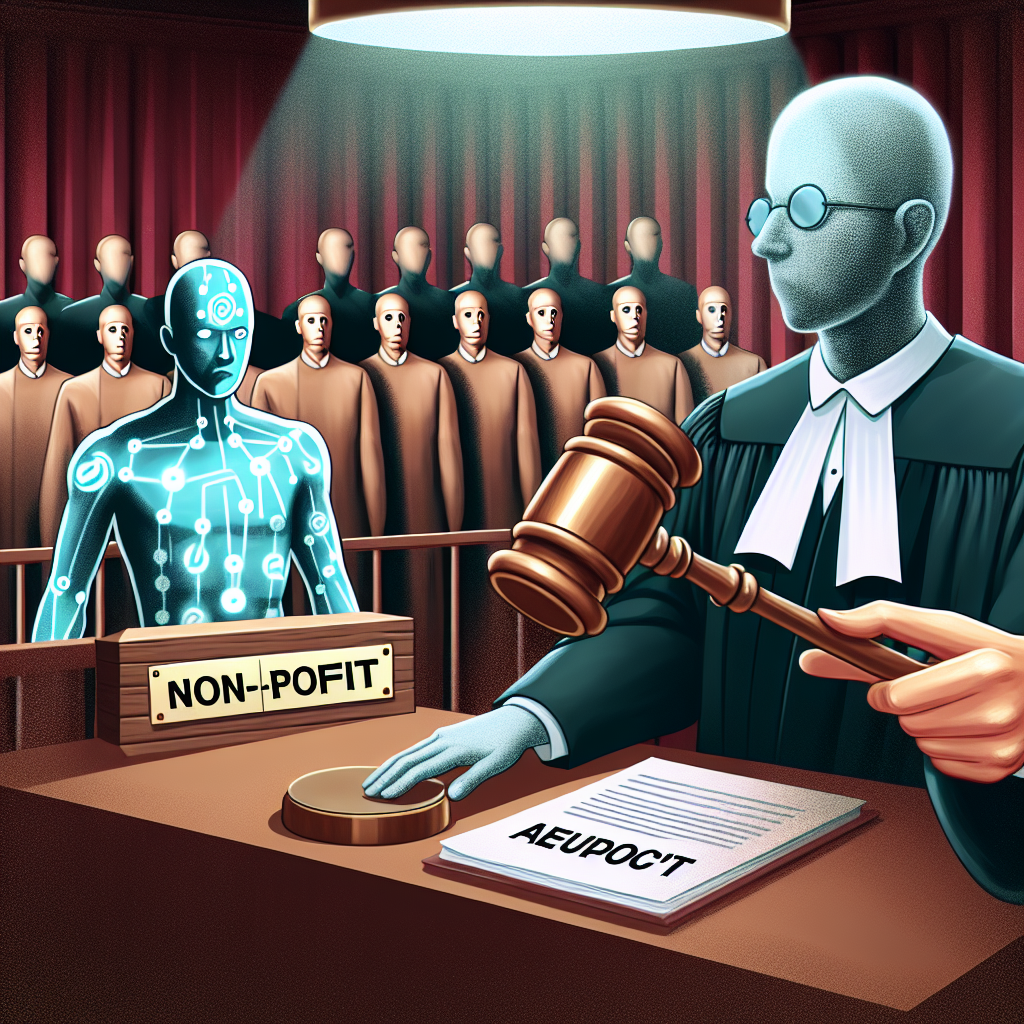
In a move that’s caught the attention of tech enthusiasts and industry insiders alike, Elon Musk recently faced a legal defeat as a judge dismissed his attempt to block OpenAI’s transition into a for-profit entity. This decision underscores a significant chapter in the ever-evolving narrative of artificial intelligence and its commercialization. But what does this mean for OpenAI, Musk, and the larger AI landscape? In this article, we delve deep into the nitty-gritty details that any tech aficionado or curious reader would find enlightening.
The Genesis of OpenAI
Before we navigate the recent legal tussle, it’s essential to understand where it all began – the birth of OpenAI.
-
Non-Profit Origins: OpenAI was founded in December 2015 with a core mission: to ensure that AI benefits all of humanity. It was intended as a non-profit organization, a unique position that promised to prioritize human welfare over profits.
- Elon Musk’s Involvement: Elon Musk, a visionary with a penchant for futuristic technology, was one of the early backers. His involvement lent credibility and drew massive public interest and funds to the project.
Why a For-Profit Transition?
The rapid pace of AI development often demands equally swift financial backing, an argument that has driven many non-profits to consider for-profit models. OpenAI’s decision to transition to a “capped-profit” entity surprised many. Here’s why:
-
Financial Sustainability: Maintaining cutting-edge research requires significant resources. A for-profit structure allows OpenAI to secure necessary investment while promising to cap investor returns, balancing between capital influx and mission integrity.
- Competitive Edge: As the AI field grows fiercely competitive, having robust financial resources ensures that OpenAI does not lag in innovation.
Elon Musk’s Objection: A Clash of Ideologies?
Elon Musk’s opposition to the transition wasn’t simply business politics. It highlighted a deeper ideological divide regarding how technology should evolve.
Musk’s Concerns
-
Ethical Considerations: Musk’s primary concern was whether a profit-driven model could compromise ethical AI development. He has often voiced fears about unchecked AI advancements.
- Transparency and Accountability: A for-profit entity might operate with less transparency, making it challenging to hold accountable in cases where actions might not align with public interest.
Legal Motion and Outcome
-
The Attempt to Block: Musk, leveraging his influence as an early investor, sought legal routes to block the transition. His argument leaned heavily on the potential deviation from OpenAI’s original mission.
- Judicial Decision: The judge’s rejection of Musk’s motion was based on his perceived lack of standing, as Musk’s involvement did not grant him perpetual control or oversight over strategic decisions.
Broad Implications of the Legal Outcome
This recent court decision sheds light on several critical aspects pertinent to the tech industry and AI development.
For OpenAI:
-
Enhanced Focus on Mission: Despite moving towards-profit, OpenAI continues to aim for ethically grounded AI development with its capped-profit model.
- Potential for Cross-Industry Collaborations: As a for-profit entity, OpenAI is poised to forge stronger partnerships across industries, fostering innovation.
For the AI Industry:
-
Funding Dynamics: Successive capital infusions into AI projects highlight evolving funding dynamics, possibly leading other AI-focused non-profits to consider similar routes.
- Accountability Standards: The transition reflects broader industry pressures to balance ethics with financial viability amidst technological advancements.
For Elon Musk:
-
Reaffirmation of Concerns: Musk continues to be a pivotal voice in discussions around ethical AI, emphasizing responsible development over profit-centric motives.
- Influence on Tech Legislation: His stance may fuel legislative discussions around creating frameworks ensuring that tech developments align with societal interests.
What Lies Ahead for AI?
The dialogue surrounding OpenAI’s transition and Musk’s legal attempt unveils the complexities underpinning AI’s future. Both pioneers and critics agree that:
-
Ethical Safeguards: As AI continues its exponential growth, implementing robust ethical safeguards and accountability frameworks is paramount.
-
Transparency: Investors, developers, and stakeholders must prioritize transparency, ensuring that AI innovations do not sideline ethical considerations.
- Interdisciplinary Approaches: AI’s future success hinges on harnessing interdisciplinary collaborations, keeping human welfare at the center of all advancements.
Conclusion
The battle between Elon Musk and OpenAI is a poignant reminder of the divergent forces shaping the future of artificial intelligence. With great innovations come great responsibilities, and as this scenario unfolds, the industry will hopefully draw lessons that align AI’s trajectory with humanity’s best interests. The clock is ticking for stakeholders to balance innovation with comprehensive guidelines as we stand on the brink of an AI-dominated future.