
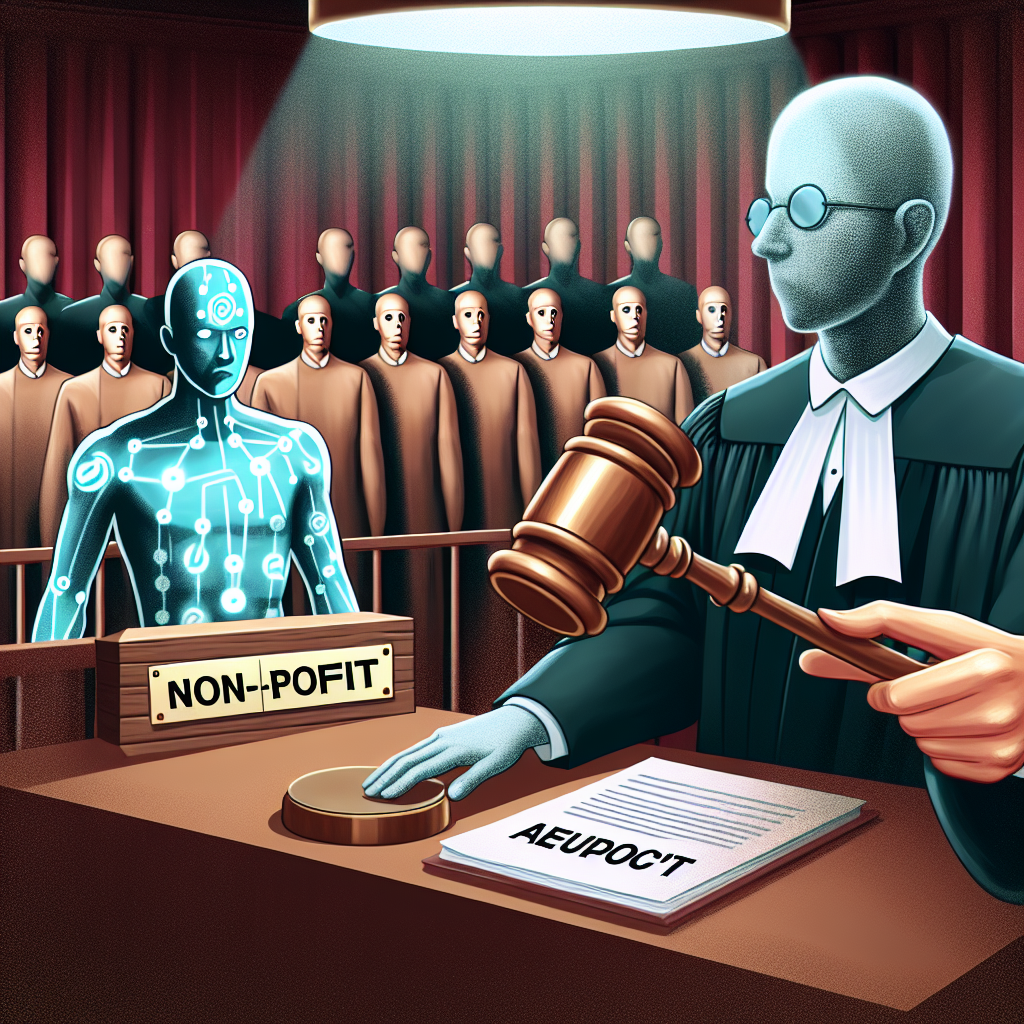
Judge Rejects Musk’s Attempt to Block OpenAI’s for-Profit Transition: What It Means for AI’s Future
In a landmark decision, a judge recently rejected Elon Musk’s attempt to obstruct OpenAI’s transition from a non-profit to a for-profit entity. This ruling has sparked significant discussions and debates within the tech community and beyond. OpenAI’s mission, initially driven by altruistic goals, aimed to ensure that artificial general intelligence benefits all of humanity. However, as the organization has evolved, so have its strategies, leading to a controversial pivot to a "capped" for-profit model known as OpenAI LP.
The Context: OpenAI’s Mission and Transition
What is OpenAI?
OpenAI, a research laboratory founded in December 2015, has been at the forefront of artificial intelligence innovations. With influential personalities like Elon Musk behind its inception, the organization sought to advance digital intelligence while prioritizing the safety and ethical implications of AI technologies.
- Founding Members: Initially propelled by Elon Musk, Sam Altman, and others.
- Core Mission: To ensure AI technology benefits all of humanity.
- Evolution: Transitioning from a purely non-profit stance to a capped for-profit entity.
The Capped-Profit Model
Initially founded as a non-profit, OpenAI made a significant shift by introducing what they describe as a "capped for-profit" model. This transition aims to blend societal benefits with financial incentives, allowing limited returns on investments while prioritizing the development of ethical AI systems.
- What It Means: Investors receive a return on investment (ROI) up to a certain limit, beyond which the proceeds are reinvested into furthering OpenAI’s mission.
- Financial Viability: Ensures ongoing funding and resource allocation for advanced research and development.
Elon Musk: Advocate or Opponent?
The Paradox of Elon Musk
Elon Musk, a tech magnate known for revolutionary ventures with Tesla and SpaceX, has been both a proponent and opponent of AI’s rapid advancement. His relationship with OpenAI has been equally complex.
- Founding Vision: Musk supported OpenAI to mitigate existential threats posed by unchecked AI development.
- Concerns Raised: As OpenAI evolved, Musk expressed reservations, citing the potential diversion from its original mission.
The Ruling: Legal and Ethical Implications
Court’s Decision
The judge’s ruling to dismiss Musk’s attempt to halt the transition underscores several key considerations:
- Legal Standing: Musk’s arguments against the shift were deemed insufficient to justify legal interference.
- Non-Profit vs. For-Profit Dynamics: The court acknowledged the dynamic nature of innovation and the necessity for adaptable financial models.
Ethical Considerations
Shifting to a capped for-profit structure highlights a broader ethical debate within AI development:
- Transparency: Reassessing how financial incentives align with ethical AI research.
- Public Confidence: Ensuring transparency in operational and strategic decisions builds trust with both stakeholders and the public.
The Broader Implications for the AI Industry
Catalyzing Change in AI Development
This ruling not only impacts OpenAI but signals a transformative moment for the entire AI industry. Companies at the frontier of AI innovations are likely to reconsider their funding and operational structures.
- Investment Opportunities: Opens new avenues for investors eager to fund cutting-edge research.
- Regulatory Scrutiny: Encourages ongoing dialogue regarding oversight and responsibility in AI development.
Future of Ethical AI
The proceedings serve as a reminder that ethical considerations must remain at the forefront of technological progress:
- Governance Models: Exploring new governance frameworks that balance innovation with ethical responsibility.
- Public-Private Partnerships: Encouraging collaboration that fosters innovation while safeguarding public interest.
Conclusion: Navigating AI’s Evolving Landscape
The judicial decision dismissing Musk’s attempt to block OpenAI’s for-profit transition has undoubtedly left an indelible mark on the discourse surrounding AI development. As the boundaries between profit and ethical responsibility blur, it remains imperative to maintain vigilance and openness in discussions about technological advancement.
Whether you are an investor, researcher, or simply an AI enthusiast, the evolving narrative surrounding OpenAI’s transition and Musk’s involvement offers valuable insights into the multifaceted and ever-changing landscape of artificial intelligence. The future of AI perhaps lies in navigating these complexities with intention, responsibility, and an unwavering commitment to the betterment of society as a whole.
In sum, the ruling signals a pivotal moment for AI, offering both challenges and opportunities as we continue to chart new territories in AI development and governance.