
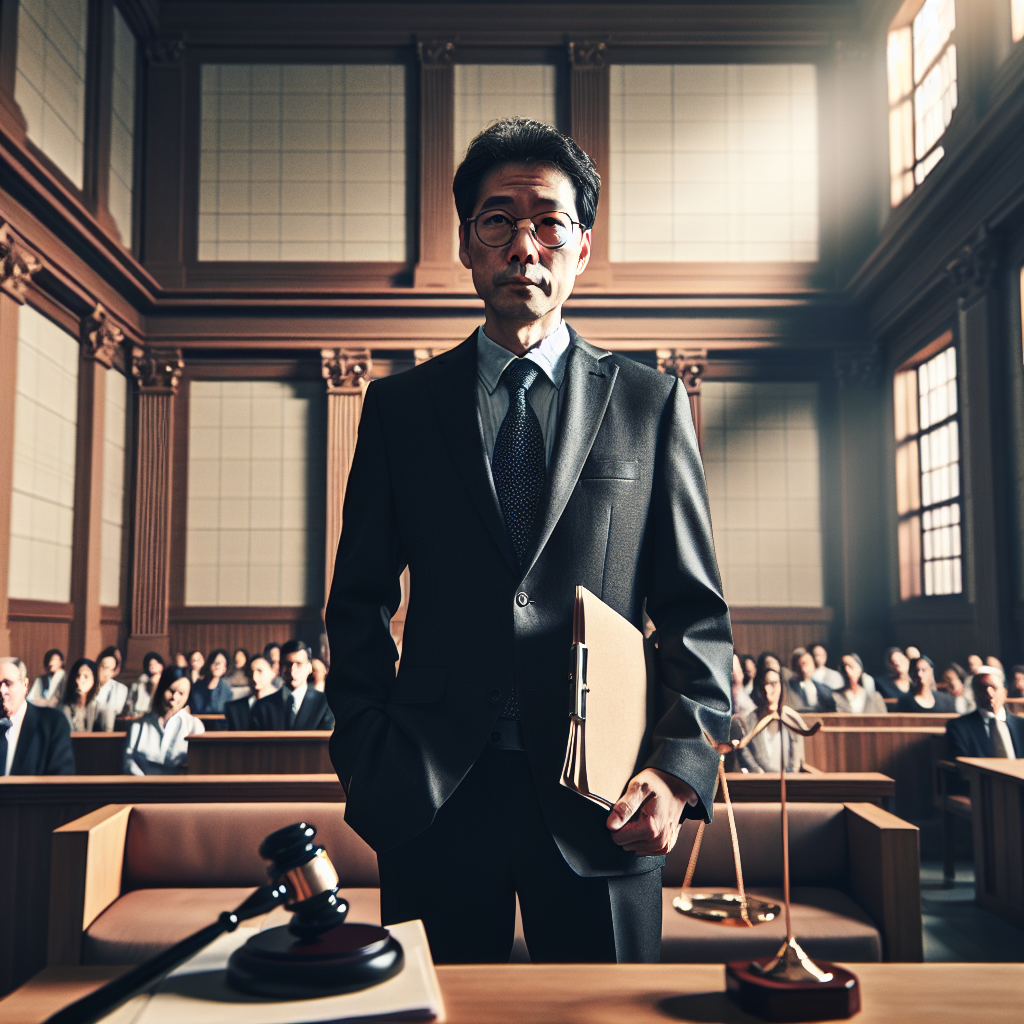
AI Legal Drama Unfolds: Former OpenAI Researcher Subpoenaed in Major Copyright Case
In an unexpected twist that has grabbed the tech world’s attention, a key ex-OpenAI researcher has been subpoenaed in a monumental AI copyright case. This unfolding legal saga could redefine the relationship between artificial intelligence and intellectual property law. As AI technology continues to revolutionize industries, questions surrounding copyright, fair use, and ownership rights have emerged as hot-button issues. The subpoena of this former OpenAI researcher marks a pivotal moment in this ongoing debate.
A Glimpse into the Case
Background
The AI copyright case at the center of this development revolves around the creation and distribution of generative AI models. These models, which are capable of producing everything from text to art, have sparked significant legal scrutiny and ethical concerns. The case highlights the challenges in defining authorship and ownership regarding AI-generated content, drawing attention from legal experts, tech companies, and the public alike.
Who is the Former OpenAI Researcher?
The individual at the heart of this subpoena is a prominent figure in AI research. This researcher previously worked on groundbreaking projects at OpenAI—a leader in the artificial intelligence sector known for innovations like GPT-3 and DALL-E. Their involvement in this case raises questions about the contributions of AI researchers to generative models and the possible implications of these contributions on copyright law.
Unpacking the Subpoena
Legal Purpose
The subpoena serves several purposes in the context of the ongoing litigation:
- Evidence Collection: It aims to gather critical information that could provide clarity on how the generative AI models were developed and trained.
- Expert Testimony: The former researcher may be requested to offer insight or testimony regarding the technical aspects of AI model development.
- Establishing Precedent: The case could set legal precedent regarding the ownership of AI-generated content and the responsibility of companies and researchers in potential copyright infringements.
Potential Implications
The potential implications of this subpoena and the broader case are significant:
- Innovation vs. Regulation: Balancing technological advancement with legal regulations is a central theme in the dispute, which could impact how future AI technologies are developed and shared.
- Global Impact: Decisions made in this case might influence international standards for AI and copyright law, especially as AI technologies continue to transcend borders.
Ethical and Legal Challenges
Defining Authorship in AI
One of the core challenges in this case is defining what it means to be an "author" when discussing AI-generated content. Traditional copyright laws were crafted for human creators. However:
- AI as a Tool: AI systems are often seen as tools rather than independent creators. The true authors might be the developers who design and train these models.
- Collaborative Creation: AI content generation often involves input from multiple sources, blurring the lines of authorship and ownership.
Copyright Infringement Concerns
AI-generated content can inadvertently replicate copyrighted materials, raising infringement concerns. Critical points include:
- Training Data Sets: AI models trained on data sets containing copyrighted material could produce similar content, prompting questions about fair use and infringement.
- Originality: Determining whether AI-generated content is sufficiently "original" to merit independent copyright protection is an ongoing debate.
Industry Reactions
Tech Companies
Major tech companies, including those heavily invested in AI research and development, are closely monitoring the case. Their concerns are primarily focused on:
- Regulatory Environment: A decision against the AI company could result in stricter regulations surrounding the training and deployment of AI models.
- Innovation Incentives: Companies fear that overregulation might stifle innovation and impact technological advancement.
Legal Experts
Experts in intellectual property law are divided on the issue:
- For the Framework: Some argue for updated legal frameworks to accommodate AI’s unique characteristics, promoting clarity in copyright issues.
- Against Overreach: Others warn against hastily imposing restrictions that could hinder technological innovation and creativity.
Public Discourse
The case has also ignited public debate concerning:
- Ethical AI Use: Concerns arise around ethical considerations in AI deployment and its societal implications.
- Fair Compensation: Debates over fair compensation for artists and content creators whose work might be used to train AI models continue to gain traction.
Looking to the Future
Possible Outcomes
Potential outcomes of the AI copyright case could include:
- New Legal Precedents: Establishment of legal precedents addressing AI and copyright laws, potentially influencing international regulations.
- Revised Copyright Laws: Calls for revising copyright laws to better fit the realities of digital and AI-generated content.
The Role of AI Researchers
AI researchers are likely to remain central figures in these discussions:
- Innovation vs. Liability: Balancing their responsibility to innovate with potential legal liabilities is crucial.
- Ethical Considerations: Researchers may need to devote more attention to the ethical implications of their work, ensuring that AI development aligns with societal values.
Conclusion
The subpoena of a key ex-OpenAI researcher in a high-profile AI copyright case sets the stage for significant shifts in how we approach AI, copyright, and intellectual property rights. This legal drama draws attention to the evolving landscape of AI technology and its broader implications on society, law, and industry. As the case develops, stakeholders across sectors eagerly await decisions that could fundamentally alter the relationship between AI and copyright law. The outcome will potentially influence not just future AI developments, but also how we define creativity, ownership, and responsibility in an increasingly digital world.